The Excellen LungMethyl Assay is a lung cancer DNA methylation test kit manufactured by Excellen Medical Technology Co., Ltd. Its product name, as stated in the instructions for use (IFU), is Diagnostic Kit for Methylated Genes of Lung Cancer (Real Time PCR).
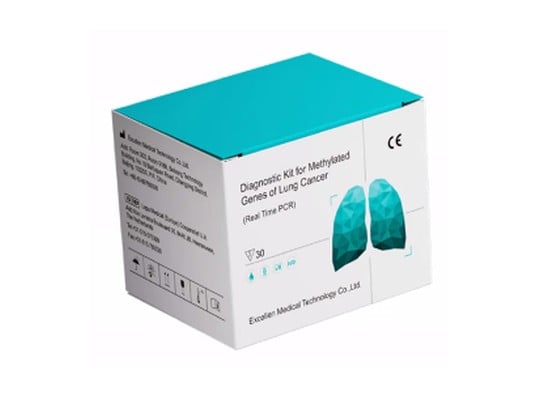
The Excellen LungMethyl Assay is a lung cancer DNA methylation test kit manufactured by Excellen Medical Technology Co., Ltd. Its product name, as stated in the instructions for use (IFU), is Diagnostic Kit for Methylated Genes of Lung Cancer (Real Time PCR).
The assay detects methylation of three biomarkers—SHOX2, RASSF1A, and PTGER4—in plasma using fluorescent probe-based real-time PCR. Rather than detecting gene mutations, it identifies DNA methylation changes associated with lung cancer.
The product is intended for use in professional laboratories and is not intended for home self-testing.
The decision to perform testing is not based solely on the presence of symptoms. Individuals attending routine health checkups may have no clinical symptoms but may still have factors associated with an increased risk of lung cancer.
According to the product’s intended use, the assay aids in the diagnosis of individuals at increased risk based on their medical history, symptoms, and/or abnormal imaging findings. Within a health checkup program, a physician should assess the individual’s risk and determine whether testing is appropriate before ordering the assay.
Situations in which testing may be considered include:
Individuals attending routine health checkups who are assessed by a physician as being at increased risk of lung cancer, including those without symptoms.
Individuals with clinical signs or symptoms suggestive of lung cancer.
Individuals with abnormal lung imaging findings who require additional information to support further assessment.
The assay does not replace low-dose computed tomography (LDCT) in individuals who meet guideline-based screening criteria, nor does it replace biopsy or other diagnostic procedures when indicated.
DNA methylation is an epigenetic regulatory mechanism. Abnormal methylation changes may occur during cancer initiation and progression.
Circulating cell-free DNA (cfDNA) is present in plasma. In individuals with cancer, a proportion of cfDNA may originate from tumor cells. Analysis of cancer-associated methylation biomarkers in cfDNA provides additional molecular information from a peripheral blood sample.
The LungMethyl Assay combines three biomarkers:
SHOX2: a methylation biomarker that has been investigated for lung cancer detection.
RASSF1A: a tumor suppressor gene; aberrant methylation within its regulatory region has been associated with several types of cancer, including lung cancer.
PTGER4: a methylation biomarker that has been investigated for distinguishing lung cancer from nonmalignant conditions.
This multitarget design combines information from three biomarkers rather than relying on a single marker. Overall assay performance is determined by the biomarker combination, the analysis algorithm, and the population evaluated.
The workflow comprises three main stages:
DNA extraction from plasma: isolation and purification of cfDNA.
Bisulfite conversion: generation of sequence differences between methylated and unmethylated DNA at the target sites.
Multitarget real-time PCR: amplification of DNA and detection of methylated SHOX2, RASSF1A, and PTGER4 sequences using fluorescent probes.
The ACTB gene is co-amplified as an internal control to assess sample quality, sample preparation, and the adequacy of DNA input.
Each sample is tested in triplicate by PCR. The data are processed using the manufacturer’s algorithm to calculate a P-score, which is used to classify the result when all quality control criteria are met.
According to the performance study documentation and technical materials supplied by Excellen:
| Parameter | Result |
|---|---|
| Clinical sensitivity | 86.83% |
| Clinical specificity | 95.59% |
| Overall agreement | 92.33% |
| Total number of samples evaluated | 1,303 |
| Number of lung cancer cases | 486 |
| Number of samples from individuals without lung cancer | 817 |
These figures reflect results obtained in the manufacturer’s study population and do not guarantee equivalent performance across all laboratories or populations tested. Overall sensitivity should not be interpreted as sensitivity specifically for early-stage lung cancer. Positive and negative predictive values also depend on disease prevalence in the tested population.
A study by Wei et al., published in Scientific Reports in 2021, used an Excellen kit to evaluate the combination of SHOX2, RASSF1A, and PTGER4. The study included a model development cohort of 351 participants and a validation cohort of 149 participants.
Sensitivity and specificity were 87.0% and 98.0%, respectively, in the model development cohort, and 83.3% and 94.4%, respectively, in the validation cohort. The study used a classification cutoff that differs from the current IFU. It therefore provides supporting evidence for the biomarker combination but does not replace the performance data for the product version currently supplied. Read the original study.
According to the IFU, blood should be collected using a 6 mL BD Vacutainer® K2EDTA tube or a Streck Cell-Free DNA BCT®:
K2EDTA tubes: process immediately after collection. If storage is necessary before plasma separation, store at 2–8°C for no longer than 4 hours.
Streck tubes: store at room temperature for no longer than 4 days before plasma separation.
Do not freeze whole blood specimens.
Separate plasma as instructed, avoiding carryover of the buffy coat.
The collection tube type, blood collection volume, and handling conditions must comply with the assay IFU and the collection tube manufacturer’s instructions.
Blood collection → Plasma separation → DNA extraction → Bisulfite conversion → Real-time PCR → Quality control review and P-score analysis → Result reporting.
According to the manufacturer’s technical documentation, the workflow takes approximately 7 hours, depending on the operational setup. This is an indicative processing time and does not represent a guaranteed patient turnaround time. Actual turnaround time also depends on specimen accessioning, batch scheduling, and result review and authorization.
Laboratories must have the capability to perform cfDNA extraction, bisulfite conversion, and real-time PCR, together with appropriate contamination control measures.
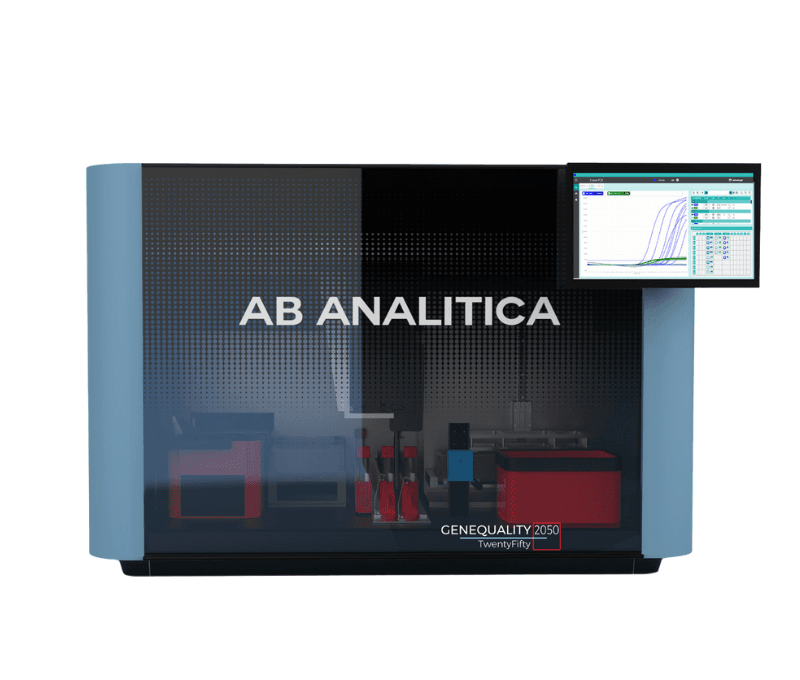
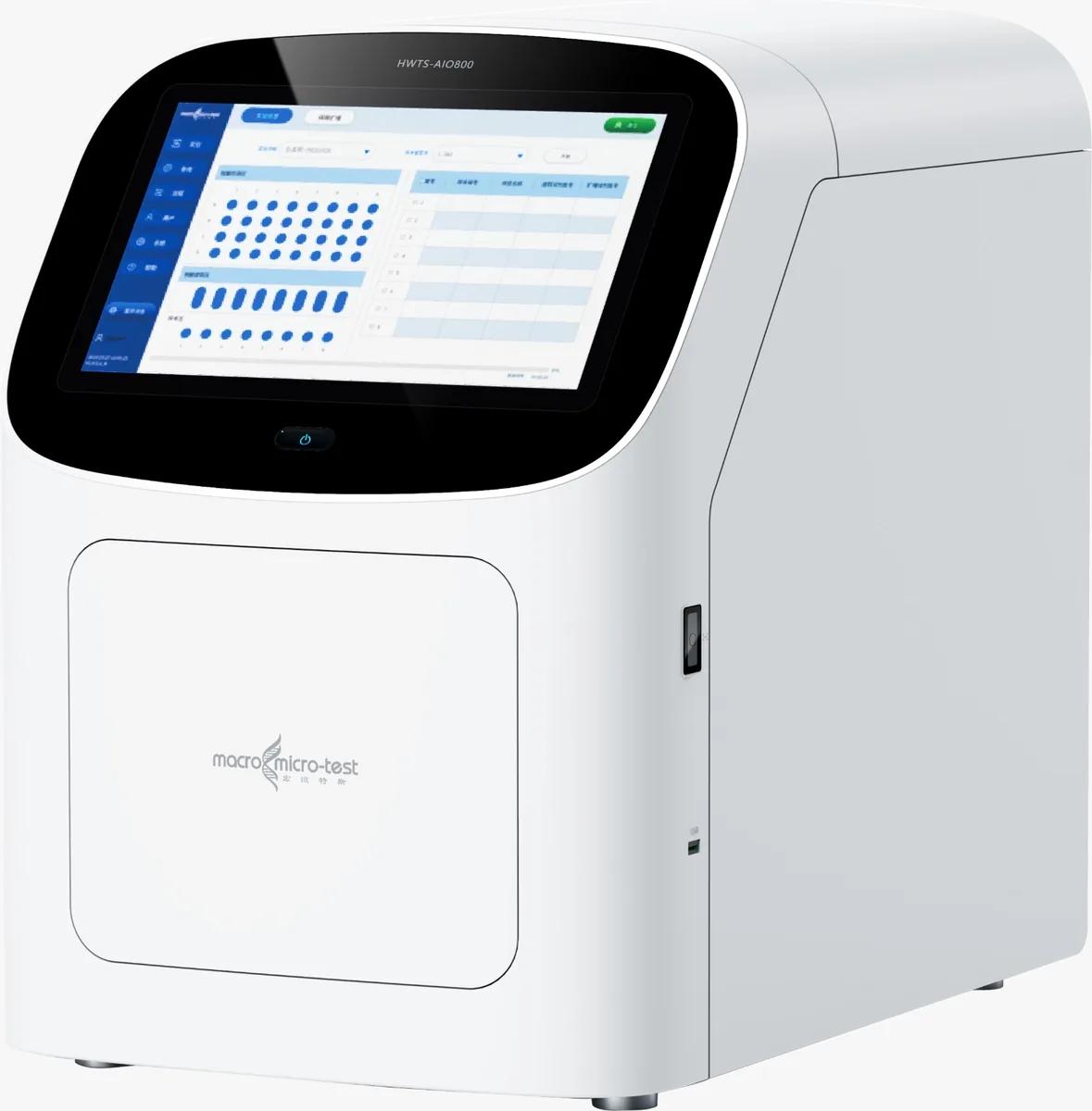
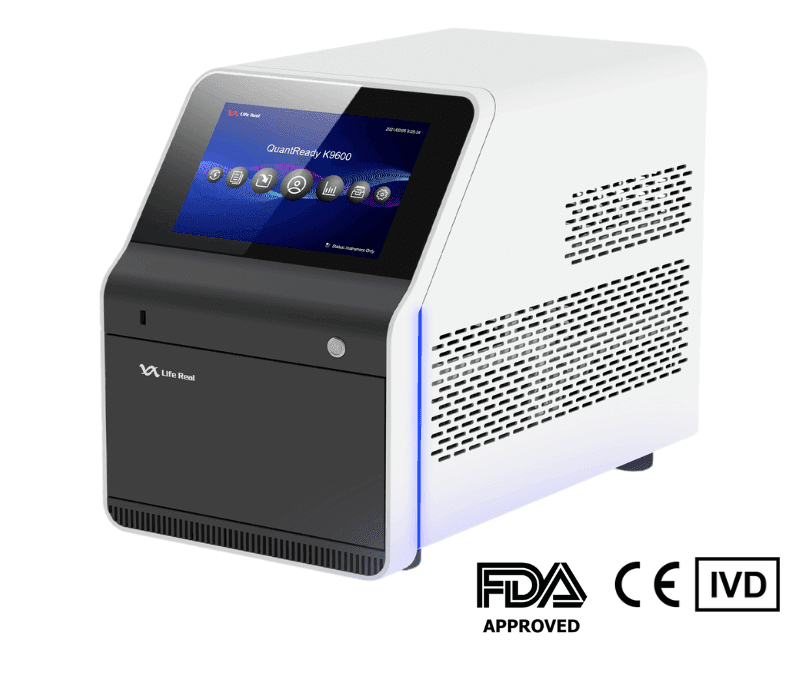
In addition to the Applied Biosystems 7500 specified in the IFU, the manufacturer supports implementation on other real-time PCR systems, subject to model-specific compatibility confirmation. Implementation requires guidance on fluorescence channels, thermal cycling conditions, analysis settings, and quality control.
Compatibility should not be assumed for every real-time PCR instrument. Laboratories should verify the workflow before introducing the assay into routine use.
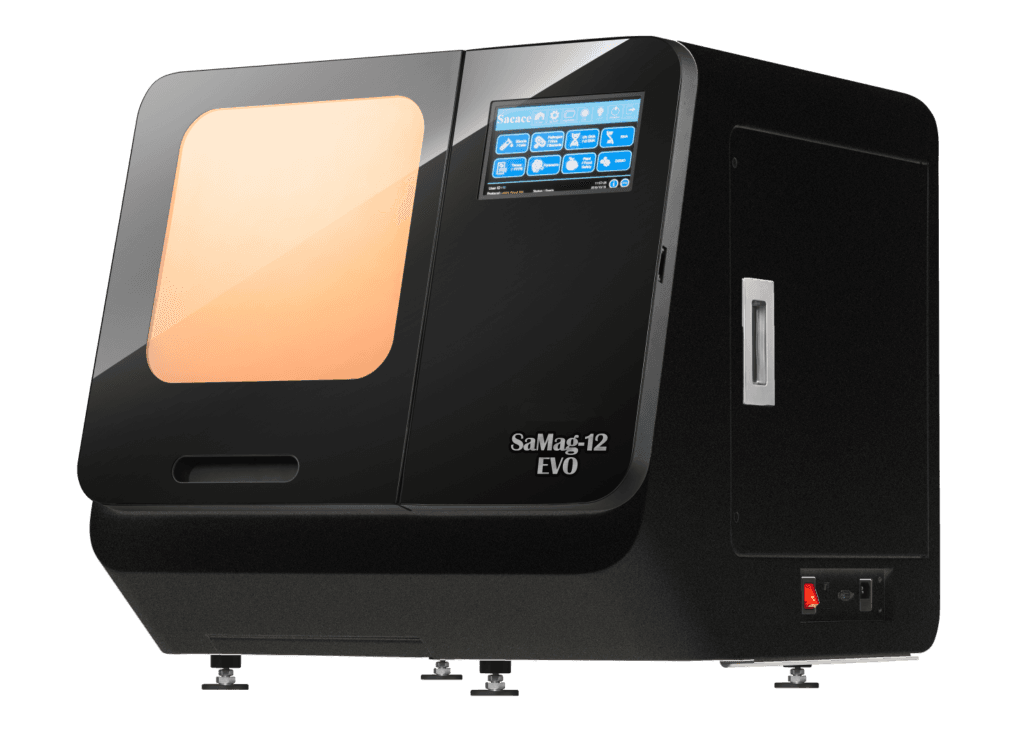
Depending on their requirements, laboratories may select a manual sample preparation workflow or an automated solution for DNA extraction and bisulfite conversion that has been confirmed as compatible by the manufacturer.
| Result | Interpretation |
|---|---|
| Positive | P-score ≥2.0, provided all quality control criteria are met. The result requires physician assessment in conjunction with clinical findings, imaging, and further investigations when indicated. |
| Negative | P-score <2.0, provided all quality control criteria are met. A negative result does not rule out lung cancer and does not replace the follow-up plan recommended by the physician. |
| Invalid | Quality control criteria are not met. Corrective action and repeat testing are required in accordance with the IFU. |
A positive result does not establish a definitive diagnosis of cancer. A negative result does not necessarily indicate the complete absence of methylation biomarkers or disease.
Contact Việt Huy to obtain the IFU, performance documentation, product documentation, and advice on an implementation approach suited to your laboratory’s equipment.
Professional Note
Please read the instructions for use (IFU) carefully before performing the test. Contact a Viet Huy technical specialist for on-site validation support in your laboratory.
Lấy máu và chuẩn bị huyết tương
Theo IFU, sử dụng ống BD Vacutainer® K2EDTA 6 mL hoặc Streck Cell-Free DNA BCT®. Ống K2EDTA: xử lý ngay sau lấy máu; nếu cần lưu giữ trước tách huyết tương, tối đa 4 giờ ở 2–8°C. Ống Streck: tối đa 4 ngày ở nhiệt độ phòng trước tách huyết tương. Không đông lạnh mẫu máu toàn phần. Tách huyết tương theo hướng dẫn, tránh mang theo lớp bạch cầu.
Tách chiết DNA từ huyết tương
Thu nhận và tinh sạch DNA tự do.
Chuyển đổi bisulfite
Tạo sự khác biệt trình tự giữa DNA methyl hóa và không methyl hóa tại các vị trí khảo sát.
Real-time PCR đa đích
Khuếch đại DNA và sử dụng các đầu dò huỳnh quang để nhận diện trình tự methyl hóa của SHOX2, RASSF1A và PTGER4.
Kiểm tra chất lượng, phân tích P-score và trả kết quả
Mỗi mẫu được chạy PCR lặp ba. Dữ liệu được tổng hợp theo thuật toán của hãng để tính P-score, làm cơ sở phân loại kết quả khi các tiêu chí kiểm soát chất lượng được đáp ứng.
Người khám sức khỏe định kỳ được bác sĩ xác định có nguy cơ ung thư phổi tăng cao, kể cả khi chưa có triệu chứng.
Người có biểu hiện lâm sàng nghi ngờ ung thư phổi.
Người có bất thường trên hình ảnh học phổi và cần thêm thông tin hỗ trợ đánh giá.
Contact the Viet Huy technical team for more information.
| Tên thương mại | Excellen LungMethyl Assay |
| Mã sản phẩm theo IFU phiên bản VNM | LUC-PCR-30-VNM |
| Gen đích | SHOX2, RASSF1A, PTGER4 |
| Chứng nội | ACTB |
| Công nghệ | Chuyển đổi bisulfite kết hợp real-time PCR đầu dò huỳnh quang |
| Mẫu xét nghiệm | Huyết tương từ máu ngoại vi |
| Thể tích huyết tương dùng tách chiết | 2,0 mL |
| Quy cách | 30 test/kit, bao gồm mẫu chứng |
| Số lần lặp PCR | Ba phản ứng cho mỗi mẫu và mỗi mẫu chứng |
| Phân tích kết quả | Điểm tổng hợp P-score theo thuật toán của hãng |
| Thiết bị được nêu trong IFU | Applied Biosystems 7500 |
| Thiết bị khác | Triển khai theo xác nhận tương thích, hướng dẫn thiết lập và đánh giá xác nhận phù hợp cho từng model |
| Bảo quản thuốc thử PCR | −25°C đến −15°C |
| Sau sử dụng lần đầu | Tối đa 6 tuần theo điều kiện IFU, không vượt hạn dùng trên nhãn |
| Đông–rã đông | Tối đa 4 chu kỳ theo IFU |