

GROUP B STREPTOCOCCUS (GBS) SCREENING TEST
Group B Streptococcus is the leading cause of neonatal infection. GBS infection acquired from the mother during labor is the main risk factor for early-onset GBS disease in infants. Screening pregnant women for GBS, combined with antibiotic prophylaxis, is an effective preventive measure that reduces the risk of infants developing dangerous and potentially fatal diseases caused by GBS infection. Group B Streptococcus (GBS) screening using the Real-time PCR method is a rapid approach with high sensitivity and specificity, making it an effective testing solution that supports timely results when screening during pregnancy as well as in emergencies.
Overview of GBS (Group B Streptococcus)
Molecular biological characteristics of GBS
Genetic structure of GBS
- GBS has a circular, single-stranded genome of 2.1 to 2.4 million base pairs, containing the coding information for many proteins and virulence factors.
- The presence of plasmids and transposons in some GBS strains contributes to genetic diversity and drug resistance.
GBS virulence factors
- The capsule protein containing polysaccharide helps GBS evade the immune system.
- Surface proteins such as C5a peptidase and protein A play a role in adhesion to and invasion of host cells.
- Hemolysin and Cytolysin: substances produced by GBS that can destroy red blood cells and release hemoglobin.
GBS drug resistance
- GBS has developed drug resistance, particularly to macrolides and tetracyclines.
- Resistance mechanisms include altering the structure of the antibiotic target, producing enzymes that destroy antibiotics, and removing antibiotics from the cell.
Interaction of GBS with host cells
GBS interacts with host mucosal cells, creating favorable conditions for bacterial growth and pathogenesis 3,4.

Figure 1. GBS bacteria
Mechanisms of GBS Infection in Pregnant Women and Newborns
Mother-to-child transmission during birth
- Mother-to-Child Transmission of GBS During Birth:
- GBS can reside in the gastrointestinal and genital tracts of pregnant women without causing symptoms.
- During birth, especially vaginal delivery, newborns are at risk of exposure to GBS from the mother's vagina, which can lead to serious infections such as sepsis, pneumonia, and meningitis.
Intrauterine GBS transmission
GBS can be transmitted from mother to fetus through the placenta in cases of intra-amniotic infection or premature rupture of membranes, increasing the risk of infection before birth.
Postnatal GBS transmission
- Newborns can also become infected with GBS after birth through contact with caregivers carrying the bacteria or with the surrounding environment.
- However, this is less common than transmission during childbirth2.

Figure 2. The process of GBS infection from mother to fetus
Prevalence of GBS infection
Studies of GBS in different countries show differences in the distribution and impact of GBS serotypes. Serotypes such as Ia, Ib, II, and V are less common in late-onset disease (LOD) than in early-onset disease (EOD), whereas serotype III is more common in LOD and is strongly associated with central nervous system (CNS) infections. In addition, according to some studies, the rate of GBS LOD is higher than that of EOD2.
In Vietnam, a study analyzing the rate of GBS infection in pregnant women found a higher rate in women at less than 35 weeks of gestation. Factors such as sexual activity during pregnancy and personal hygiene habits were also associated. Notably, GBS is usually susceptible to penicillin, ampicillin, and vancomycin but has high rates of resistance to erythromycin and clindamycin5.
Group B Streptococcus (GBS) Screening Techniques
Testing techniques for detecting Group B Streptococcus (GBS) include the following methods:
Culture method
- This is the standard method and is widely used to detect GBS.
- After collection, clinical samples are enriched in a selective medium (18-24 hours).
- The samples are then plated on agar media and observed for suspicious colonies growing on the plates (24-48 hours). The CAMP test, latex agglutination, or MALDI-TOF mass spectrometry is used to identify GBS colonies.
- The total time for this method ranges from 48 to more than 72 hours.
Real-time PCR testing:
- A rapid method with high sensitivity for detecting GBS directly from specimens without the need for culture.
- This method can provide results within a few hours and is very useful when a rapid diagnosis is needed, for example in women in labor who have not been screened previously.
- PCR tests are increasingly used in combination with or in place of traditional culture methods.
Antimicrobial susceptibility testing:
For GBS strains isolated from culture, susceptibility testing against antibiotics such as penicillin and erythromycin is important, especially in areas where antibiotic resistance is a problem 1.
Our Solution
VIET HUY Technological Scientific Equipment Co., Ltd supplies the test kit Strep B Real-TM Quant, by Sacace - Italy. We are the exclusive representative of SACACE in Vietnam. The kit is currently used in many hospitals and clinics nationwide.
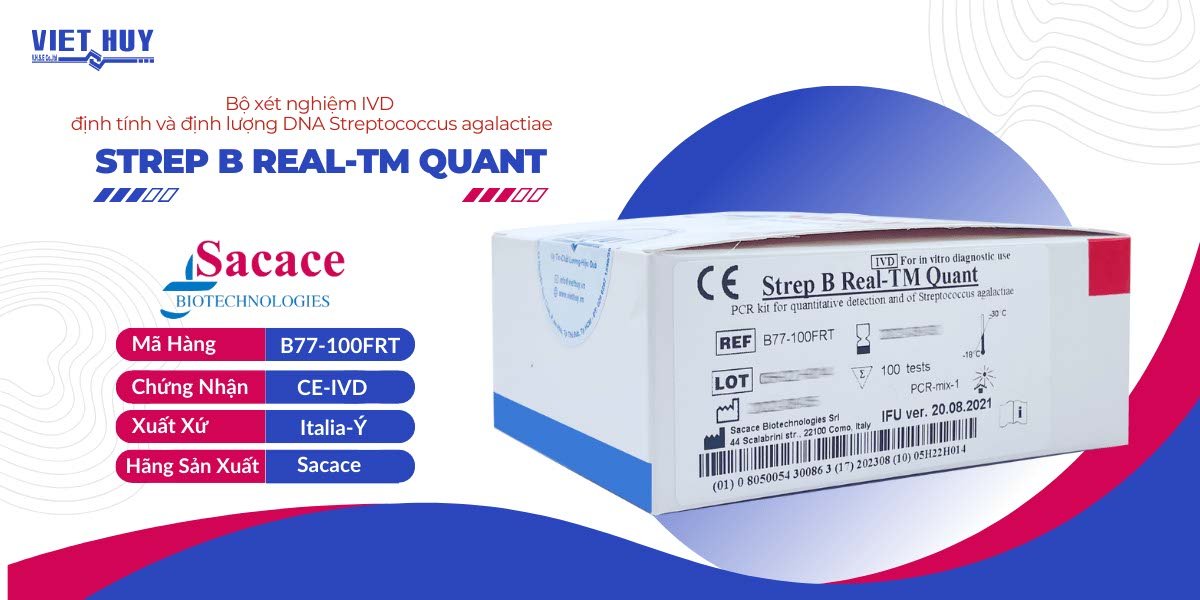
Figure 3. Strep B Real-TM Quant test kit
Conclusion
Group B Streptococcus is the leading cause of neonatal infection. GBS infection acquired from the mother during labor is the main risk factor for early-onset GBS disease in infants. Screening pregnant women for GBS, combined with antibiotic prophylaxis, is an effective preventive measure that reduces the risk of infants developing dangerous and potentially fatal diseases caused by GBS infection. Group B Streptococcus (GBS) screening using the Real-time PCR method is a rapid approach with high sensitivity and specificity, making it an effective testing solution that supports timely results when screening during pregnancy as well as in emergencies.
References
1. American Society for Microbiology. (2020). Guidelines for Detection and Identification of Group B Streptococcus.
2. Chaguza, C. et al. Population genomics of Group B Streptococcus reveals the genetics of neonatal disease onset and meningeal invasion. Nat Commun 13, 4215 (2022).
3. Liu, Y.et al. Group B Streptococcus: Virulence Factors and Pathogenic Mechanism. Microorganisms 2022, 10, 2483.
4. Sabroske EM et al.. Evolving antibiotic resistance in Group B Streptococci causing invasive infant disease: 1970-2021. Pediatr Res. 2023 Jun;93(7):2067-2071.
5. Van Du, V.. et al. Antimicrobial resistance in colonizing group B Streptococcus among pregnant women from a hospital in Vietnam. Sci Rep 11, 20845 (2021)
Related Articles

Multigene testing solution (ALK, ROS1, RET, MET) for non-small cell lung cancer (NSCLC)
Lung Cancer RNA Panel is an advanced multigene test kit that enables simultaneous detection of key mutations such as ALK, ROS1, RET, and MET in NSCLC. With an integrated quality control tool (IQCA), the kit...

HMPV: Current Situation and Control Solutions
Currently, the rising number of human metapneumovirus (HMPV) infections is causing alarm in many countries around the world. With its ability to spread widely in winter and early spring, HMPV has become a major...

THE ROLE OF PIK3CA MUTATIONS IN VARIOUS CANCERS
PIK3CA gene mutations play an important role in many cancers, including breast, endometrial, bladder, and colorectal cancers, as well as head and neck squamous cell carcinoma. This article discusses...
Need Advice on the Right Testing Solution?
Viet Huy engineers are ready to help your laboratory choose the optimal technology.