

Multigene testing solution (ALK, ROS1, RET, MET) for non-small cell lung cancer (NSCLC)
Lung Cancer RNA Panel is an advanced multigene test kit that enables simultaneous detection of key mutations such as ALK, ROS1, RET, and MET in NSCLC. With an integrated quality control tool (IQCA), the kit helps reduce false negatives, saves time and reagents, and optimizes treatment effectiveness.
The Need for Multigene Mutation Testing in Targeted Therapy for NSCLC
Non-small cell lung cancer (NSCLC) accounts for about 85% of lung cancer cases and is also a cancer type for which gene mutation testing for targeted therapy is very commonly indicated. Among these mutations, EGFR and KRAS are the 2 most common, with the corresponding targeted therapies being EGFR TKIs (first, second, and third generation) and KRAS G12C inhibitors.
In Asia, EGFR mutations are found in 50% of NSCLC cases [Melosky et al., 2022]. However, the remaining approximately 50% of patients do not carry this mutation, so other mutations must be sought to guide treatment. Other notable mutations such as ALK, ROS1, RET, MET, although rarer (1-7%), play an important role in determining the appropriate targeted therapy (Figure 1). Therefore, a multigene testing solution is essential to minimize the need to perform multiple individual tests.
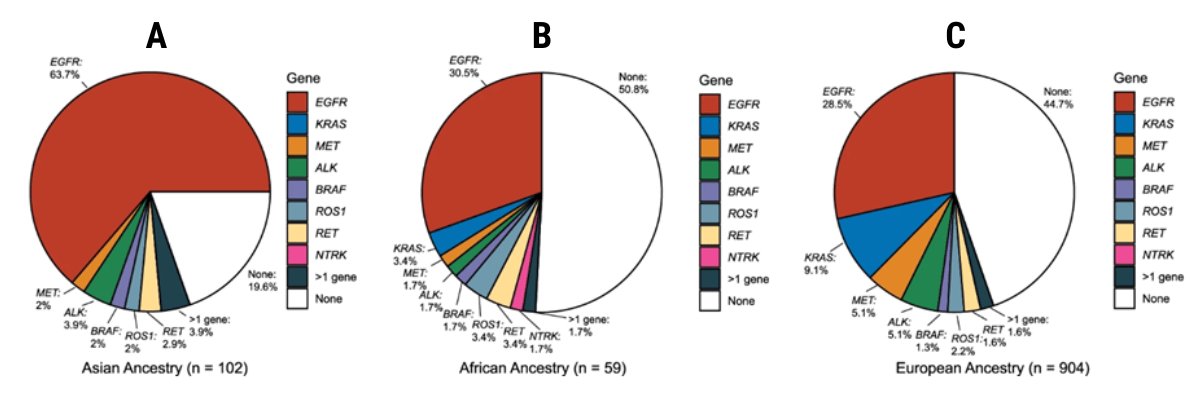
Figure 1: Distribution of mutations with targeted therapies in NSCLC [Adib et al., 2022].
Multigene Testing Solution for ALK, ROS1, RET, MET
Lung Cancer RNA Panel (EntroGen - USA) is a real-time RT-PCR test kit designed to simultaneously detect 4 target genes (ALK, ROS1, RET, MET) by analyzing 47 different mutations. It is a comprehensive, effective, and time-saving solution for targeted therapy applications in NSCLC.
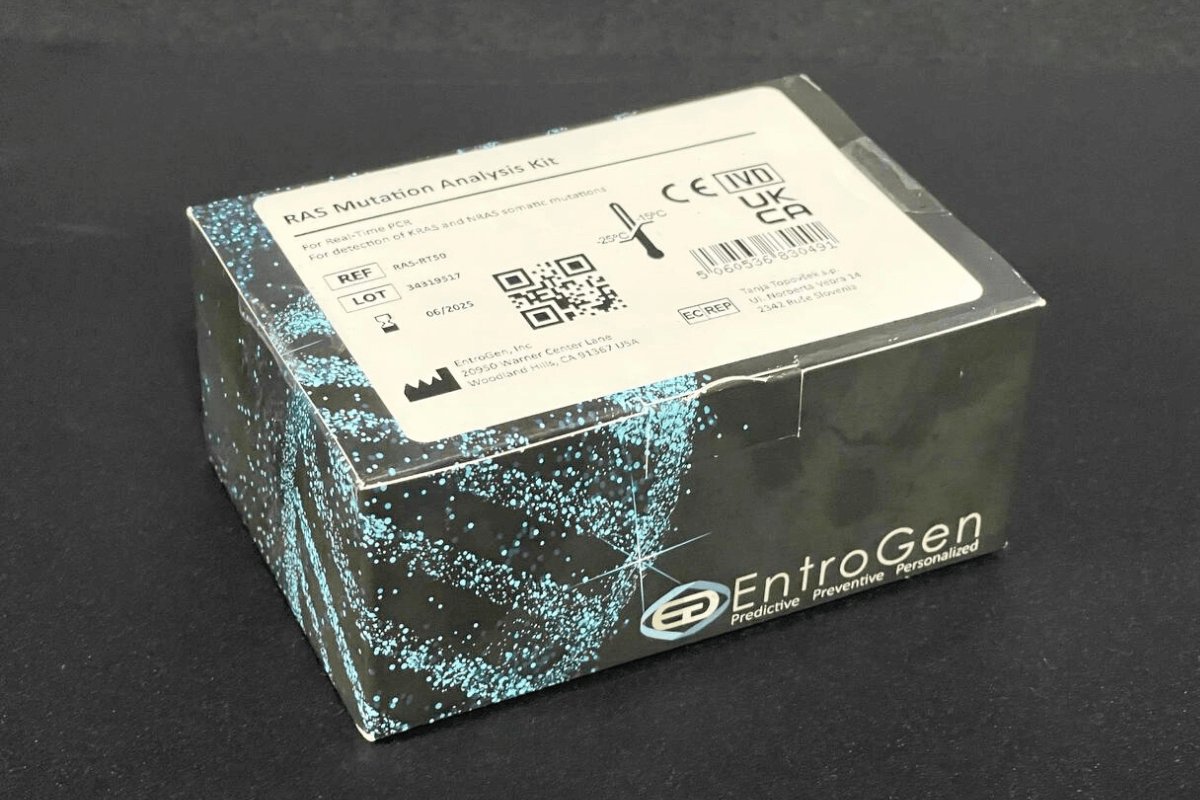
Figure 2: Lung Cancer RNA Panel test kit box from Entrogen, used to detect ALK, ROS1, RET, and MET gene mutations in NSCLC.
A major challenge in molecular testing is the quality of paraffin-embedded tissue (FFPE) samples, as the RNA/DNA in these samples tends to degrade. The Lung Cancer RNA Panel kit integrates an Internal Quality Control Assay (IQCA) as a solution for checking the quality of the input RNA sample before running the main reaction. IQCA helps assess RNA integrity and quality, thereby determining whether the sample meets the kit's technical standards.
At the same time, IQCA helps adjust the input DNA/RNA volume, ensuring an optimal sample volume. As a result, the kit helps minimize false-negative results caused by poor sample quality, while saving reagents and run time by limiting technical errors during testing. This tool provides greater reliability in molecular diagnostics, especially with challenging samples such as FFPE, while optimizing test performance.
Overview of the Mutations Covered by the Lung Cancer RNA Panel
ALK Fusions (21 Mutations)
The kit targets 21 EML4-ALK fusion mutations. This is also the most common type of ALK fusion, accounting for about 85% of cases [Hernandez et al., 2023].
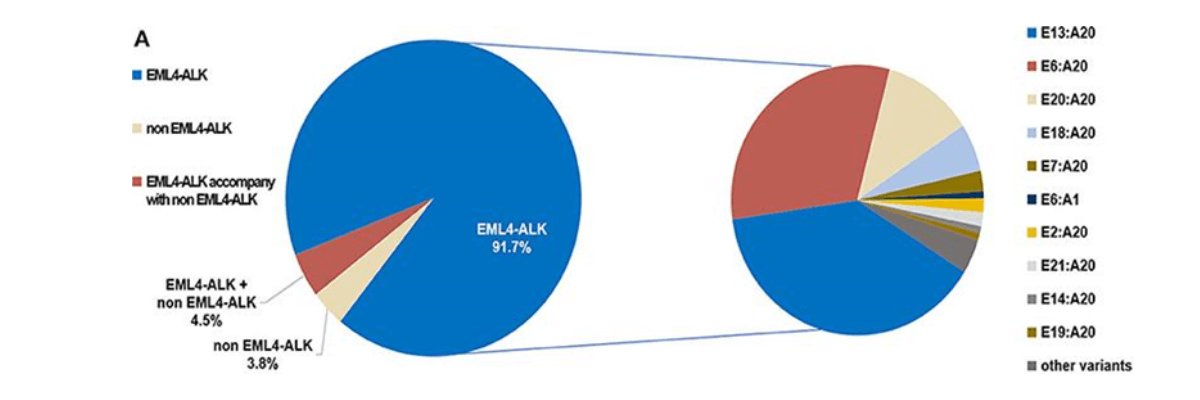
Figure 3: Frequency of EML4-ALK fusion types in NSCLC [Li et al., 2020].
ROS1 Fusions (15 Mutations)
The kit targets 15 ROS1 fusion mutations, including the fusion partners CD74, SDC4, EZR, SLC34A2, LRIG3, TPM3, and GOPC. These are the key fusion partners of ROS1, accounting for >75% of cases [Cui et al., 2020].
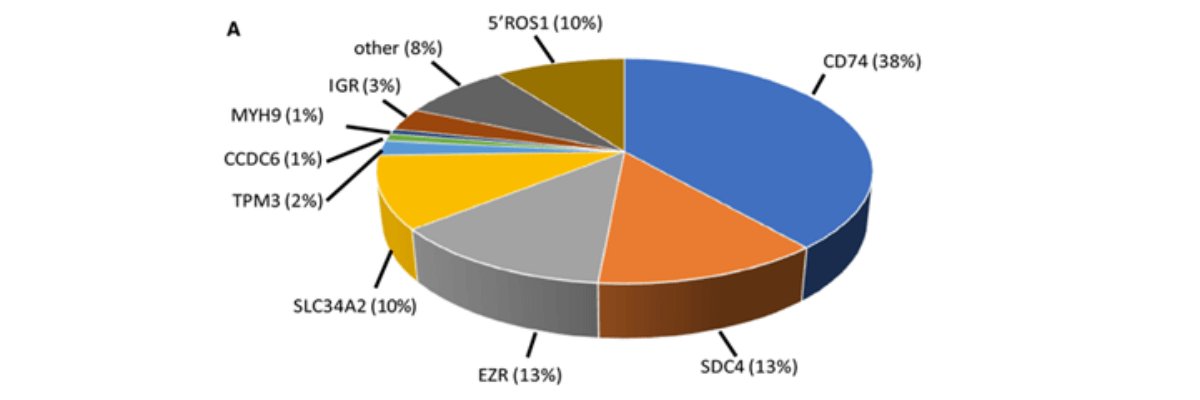
Figure 4: Frequency of ROS1 fusion partners in NSCLC [Cui et al., 2020].
RET Fusions (10 Mutations)
The kit targets 10 RET fusion mutations, including the fusion partners KIF5B, CCDC6, NCOA4, and TRIM33. These are the key fusion partners of RET, accounting for about 85% of cases [Shi et al., 2022][Parimi et al., 2023].

Figure 5: Frequency of RET fusion partners in NSCLC [Shi et al., 2022]
Conclusion
Lung Cancer RNA Panel is a multigene testing solution for key mutations in NSCLC that helps optimize targeted therapy and improve diagnostic effectiveness. It is an important tool in the management and treatment of non-small cell lung cancer, especially as rare mutations such as ALK, ROS1, RET, and MET are increasingly being studied in depth.
References
1. Adib, E., Nassar, A. H., Abou Alaiwi, S., Groha, S., Akl, E. W., Sholl, L. M., ... & Kwiatkowski, D. J. (2022). Variation in targetable genomic alterations in non-small cell lung cancer by genetic ancestry, sex, smoking history, and histology. Genome Medicine, 14(1), 39.
2. Cui, M., Han, Y., Li, P., Zhang, J., Ou, Q., Tong, X., ... & Jiang, G. (2020). Molecular and clinicopathological characteristics of ROS1‐rearranged non‐small‐cell lung cancers identified by next‐generation sequencing. Molecular Oncology, 14(11), 2787-2795.
3. Hernandez, S., Conde, E., Alonso, M., Illarramendi, A., de Cabo, H. B., Zugazagoitia, J., ... & Lopez-Rios, F. (2023). A narrative review of methods for the identification of ALK fusions in patients with non-small cell lung carcinoma. Translational Lung Cancer Research, 12(7), 1549.
4. Li, M., Hou, X., Zhou, C., Feng, W., Jiang, G., Long, H., ... & Chen, L. (2020). Prevalence and clinical impact of concomitant mutations in anaplastic lymphoma kinase rearrangement advanced non-small-cell lung cancer (Guangdong Association of Thoracic Oncology Study 1055). Frontiers in Oncology, 10, 1216.
5. Melosky, B., Kambartel, K., Haentschel, M., Bennetts, M., Nickens, D. J., Brinkmann, J., ... & Cappuzzo, F. (2022). Worldwide prevalence of epidermal growth factor receptor mutations in non-small cell lung cancer: a meta-analysis. Molecular Diagnosis & Therapy, 26(1), 7-18.
6. Parimi, V., Tolba, K., Danziger, N., Kuang, Z., Sun, D., Lin, D. I., ... & Huang, R. S. (2023). Genomic landscape of 891 RET fusions detected across diverse solid tumor types. NPJ Precision Oncology, 7(1), 10.
7. Shi, M., Wang, W., Zhang, J., Li, B., Lv, D., Wang, D., ... & Ma, T. (2022). Identification of RET fusions in a Chinese multicancer retrospective analysis by next‐generation sequencing. Cancer science, 113(1), 308-318.
Related Articles

HMPV: Current Situation and Control Solutions
Currently, the rising number of human metapneumovirus (HMPV) infections is causing alarm in many countries around the world. With its ability to spread widely in winter and early spring, HMPV has become a major...
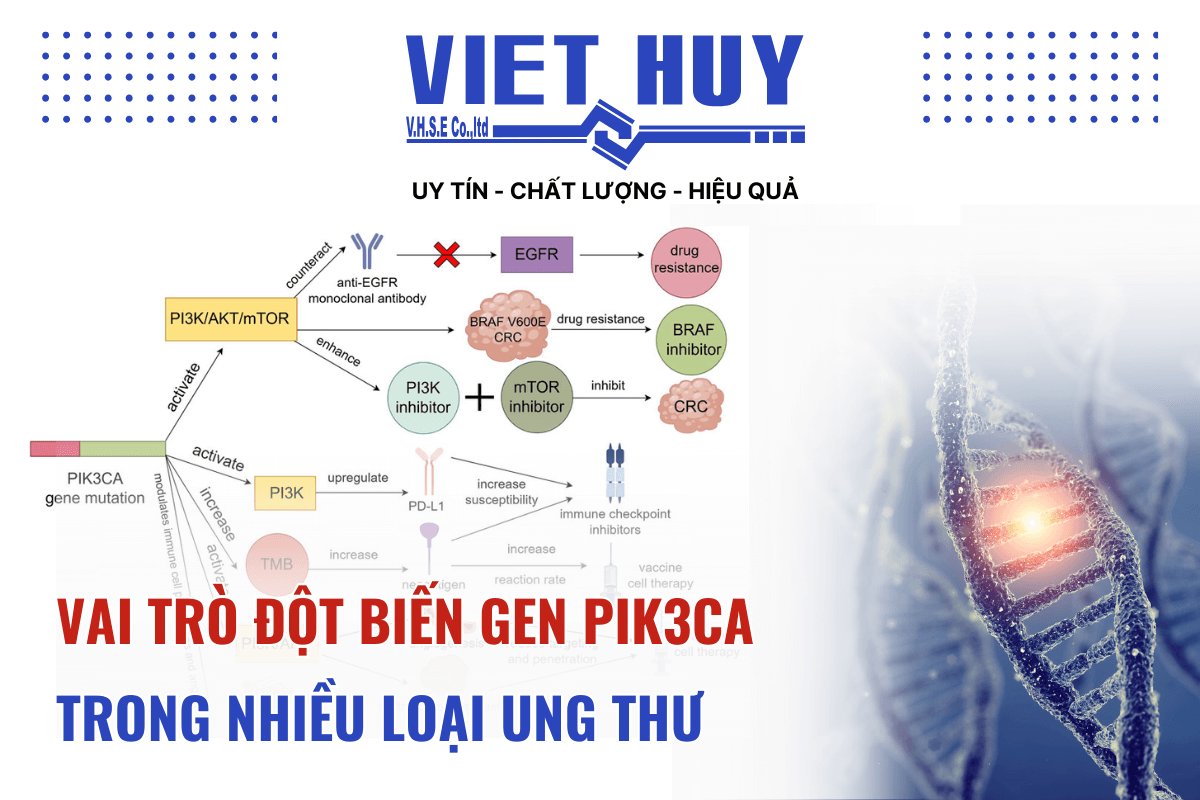
THE ROLE OF PIK3CA MUTATIONS IN VARIOUS CANCERS
PIK3CA gene mutations play an important role in many cancers, including breast, endometrial, bladder, and colorectal cancers, as well as head and neck squamous cell carcinoma. This article discusses...

SPOT-it™ Newborn Screening Kits: An Accurate and Reliable Screening Solution for SCID, XLA, and SMA
The SPOT-it™ TREC Screening Kit and the SPOT-it™ TREC, KREC & SMN1 Screening Kit enable early detection of rare diseases, increasing the chances of survival and quality of life...
Need Advice on the Right Testing Solution?
Viet Huy engineers are ready to help your laboratory choose the optimal technology.