

SPOT-it™ Newborn Screening Kits: An Accurate and Reliable Screening Solution for SCID, XLA, and SMA
The SPOT-it™ TREC Screening Kit and the SPOT-it™ TREC, KREC & SMN1 Screening Kit enable early detection of rare diseases, increasing the chances of survival and quality of life for children with severe combined immunodeficiency (SCID), X-linked agammaglobulinemia (XLA), and spinal muscular atrophy (SMA), by screening newborns using heel-prick blood samples
INTRODUCTION
Newborn screening programs play an important role in the early detection of, and timely intervention for, serious conditions that can adversely affect a child's health and development. ImmunoIVD has applied advanced Real-time PCR (qPCR) technology to analyze dried blood spots (DBS) in order to detect the characteristic biomarkers of severe combined immunodeficiency (SCID), X-linked agammaglobulinemia (XLA), and spinal muscular atrophy (SMA).
The SPOT-it™ TREC Screening Kit and the SPOT-it™ TREC, KREC & SMN1 Screening Kit are two in vitro diagnostic kits designed to screen newborns for several serious conditions. The kits use semi-quantitative polymerase chain reaction (qPCR) to analyze DNA extracted from dried blood spot (DBS) cards, which are usually collected on filter paper cards known as Guthrie cards.
The SPOT-it™ TREC Screening Kit focuses on detecting T-cell receptor excision circles (TRECs) to screen for severe combined immunodeficiency (SCID).
The SPOT-it™ TREC, KREC & SMN1 Screening Kit expands the screening program: in addition to TRECs, it also detects kappa-deleting recombination excision circles (KRECs), which are markers for X-linked agammaglobulinemia (XLA), and the presence of exon 7 of the survival motor neuron 1 (SMN1) gene, which, when not detected, indicates a risk of spinal muscular atrophy (SMA).
Designed specifically for laboratory professionals, these kits enable preliminary screening of newborns at risk of SCID, XLA, or SMA, who then require further confirmatory testing. The products are supplied in various packaging configurations, flexibly meeting testing needs from 81 to 972 samples.

Figure 1. Illustration of the SPOT-it™ kit technology
SIGNIFICANCE
The SPOT-it™ TREC and SPOT-it™ TREC, KREC & SMN1 Screening Kits are indispensable tools in newborn screening programs. They enable early detection of serious conditions such as SCID, XLA, and SMA, allowing timely medical intervention, improving treatment effectiveness, and significantly improving the quality of life of newborns.
- - Severe combined immunodeficiency (SCID): SCID is a group of rare genetic disorders in which children cannot produce functional T cells, and in some cases B cells as well, severely impairing the immune system and making newborns highly susceptible to infections. If not detected and treated early, SCID can be fatal in the first year of life.
- - X-linked agammaglobulinemia (XLA): Screening for X-linked agammaglobulinemia (XLA) through KREC analysis enables early detection of Bruton's tyrosine kinase (BTK) mutations, addresses phenotypic heterogeneity, and facilitates timely immunoglobulin replacement therapy and prophylaxis. This improves outcomes by reducing infections, enabling genetic counseling, and avoiding diagnostic delays. Standardized follow-up and ongoing research optimize screening effectiveness across a broad range of phenotypic presentations.
- - Spinal muscular atrophy (SMA): is an inherited neuromuscular disease in which patients gradually lose muscle strength, affecting their ability to sit up, walk and, in severe cases, breathe and swallow. The disease is autosomal recessive and is caused by genetic variants in the survival motor neuron 1 (SMN1) gene, resulting in very low levels of SMN protein, which is essential for functional motor neurons. In 95% of SMA patients, the disease is caused by a homozygous deletion of exon 7 of SMN1. Newborn screening for SMA can detect genetic variants in the SMN1 gene before symptoms appear and allows treatment to start as early as possible, with a chance of delaying muscle degeneration. Because this field is developing rapidly, there are very few long-term studies on the prognosis of early treatment, but it is hoped that early treatment will give patients a higher quality of life for as long as possible.
THE IMPORTANCE OF EARLY INTERVENTION
Early detection through newborn screening allows treatment to begin before severe symptoms appear.
- - In the case of SCID, early treatment with hematopoietic stem cell transplantation (HSCT), gene therapy (GT), or enzyme replacement therapy (ERT) can be curative.
- - For XLA, regular immunoglobulin replacement therapy can prevent serious infections and improve life expectancy.
- - SMA can be cured with Zogensma, Spinraza, and Evrysdi, so early diagnosis allows timely access to treatments that can slow disease progression, improve motor function, and increase survival rates.
The SPOT-it™ kits provide a highly sensitive and specific method for screening for these conditions. By analyzing TREC and KREC levels and detecting the presence or absence of SMN1 exon 7 in DBS samples, these kits provide a reliable and efficient way to identify newborns who need further diagnostic testing and potentially life-saving intervention.
SPOT-it™ KITS TEST PROCEDURE
For effective newborn disease screening, the screening process must comply with strict standards, including rigorous quality control to ensure accuracy. Specialized equipment such as DBS punchers, centrifuges, PCR instruments, and Real-time PCR systems is indispensable. In addition, detailed step-by-step instructions and a clear result classification algorithm help support accurate diagnostic decisions and appropriate follow-up planning.
The SPOT-it™ TREC Screening Kit and the SPOT-it™ TREC, KREC & SMN1 Screening Kit share a similar procedure, with variations based on their different target markers. The overall process can be summarized in the following steps:
Sample Preparation
- 1. Sample collection: A 3.2 mm diameter dried blood spot (DBS) punch is taken from each dried blood spot card, together with control punches from the control cards supplied by ImmunoIVD, and placed into the predefined wells of a microplate.
- 2. DBS washing: Wash solution is added to the wells containing the DBS punches to remove impurities and rehydrate the samples. After a short incubation, the solution is removed by centrifugation.
- 3. DNA extraction: The washed DBS punches are transferred to an extraction plate containing buffer. DNA is released from the DBS punches during an incubation step in a PCR instrument.
qPCR Setup
- 1. qPCR plate preparation: The recovered DNA solution is transferred directly into the qPCR plate by centrifugation. Each well of the plate is pre-filled with a qPCR reagent mix containing the necessary components, such as specific primers, fluorescent probes, and DNA polymerase. To generate a standard curve, the qPCR plate also contains control samples with known concentrations of the TREC and KREC target genes and the ACTB internal control gene.
- 2. Sealing and homogenization: The qPCR plate is then tightly sealed with a dedicated sealing film and gently inverted to ensure that the components in each well are thoroughly mixed.
qPCR Run
- 1. Running the qPCR assay: The prepared qPCR plate is loaded into the qPCR instrument and a 40-cycle PCR is performed. The real-time PCR instrument measures fluorescence in each cycle, generating amplification curves for each sample and marker.
- 2. Data collection: The qPCR software automatically determines the Ct value for each marker in each well. The software uses the standards to generate a standard curve and converts the sample Ct values into quantities of TREC, KREC, and ACTB.
Data Analysis and Interpretation
- 1. Assay control procedure: Run quality is assessed by analyzing the standard curve parameters (slope, efficiency, R²) and the quantities or Ct values from the control material cards. These parameters are compared with predefined acceptance criteria to ensure the validity of the run.
- 2. Sample analysis: If the run passes quality control, the TREC, KREC, and ACTB quantities in the samples are analyzed and compared with the cut-off values. Each marker is classified as within range, out of range, or inconclusive.
- 3. Result interpretation: Samples with all markers within range are classified as negative. Samples with any marker classified as out of range or inconclusive are retested in duplicate. After retesting, a sample may be classified as negative, presumptive positive (requiring further testing), or undetermined.
Specific details of the procedure, such as reagent volumes, incubation times, and centrifugation speeds, are provided in the Instructions for Use (IFU) for each kit. It is essential to carefully follow the instructions and guidelines set out in the IFU to obtain accurate and reliable screening results.
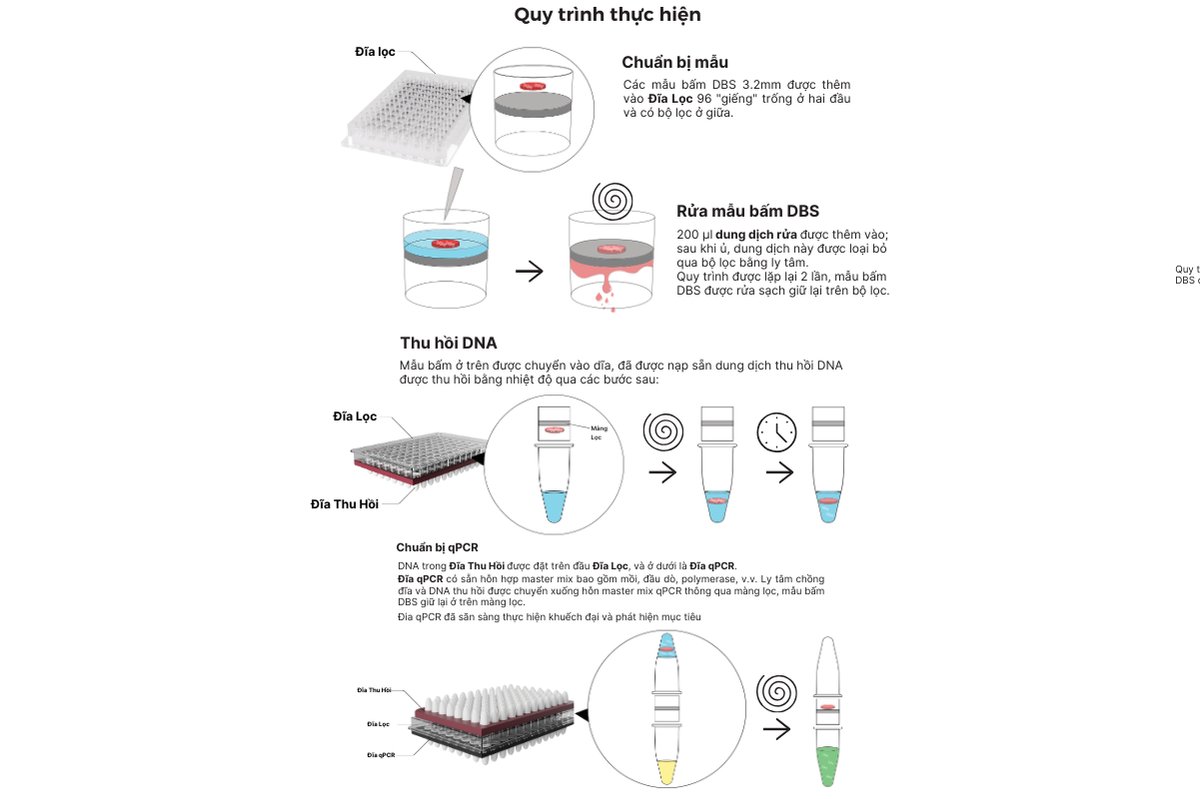
Figure 2. SPOT-it™ Screening Assay workflow by ImmunoIVD (Sweden)
OUR SOLUTION TO MEET THESE REQUIREMENTS
Product name & Manufacturer: SPOT-it™ TREC Screening Kit and SPOT-it™ TREC, KREC & SMN1 Screening Kit, manufactured by ImmunoIVD - Sweden.
Why use them: These kits provide a comprehensive solution for newborn screening for SCID, XLA, and SMA. The products feature an easy-to-use workflow with DBS samples, together with robust qPCR technology for accurate quantification of TREC and KREC and qualitative detection of SMN1.
Advantages/Benefits:
- - Simplified workflow: The kits use centrifugal transfer and are streamlined, with clear instructions for DBS sample processing and qPCR setup.
- - High sensitivity and specificity: The qPCR assays deliver accurate and reliable results, minimizing false positives and false negatives.
- - Internal controls: Built-in quality control measures, including control cards and standard curves, ensure assay validity and reliable result interpretation.
- - Flexibility: The kits are available in two sizes, suitable for both low- and high-throughput runs.
- - Comprehensive analysis: The SPOT-it™ TREC, KREC & SMN1 Screening Kit enables simultaneous screening for three serious diseases and supports automated result analysis software.
Overall, the SPOT-it™ kit procedures are designed to provide a reliable, efficient, and user-friendly method for newborn screening, enabling early detection of, and intervention for, serious conditions such as SCID, XLA, and SMA.
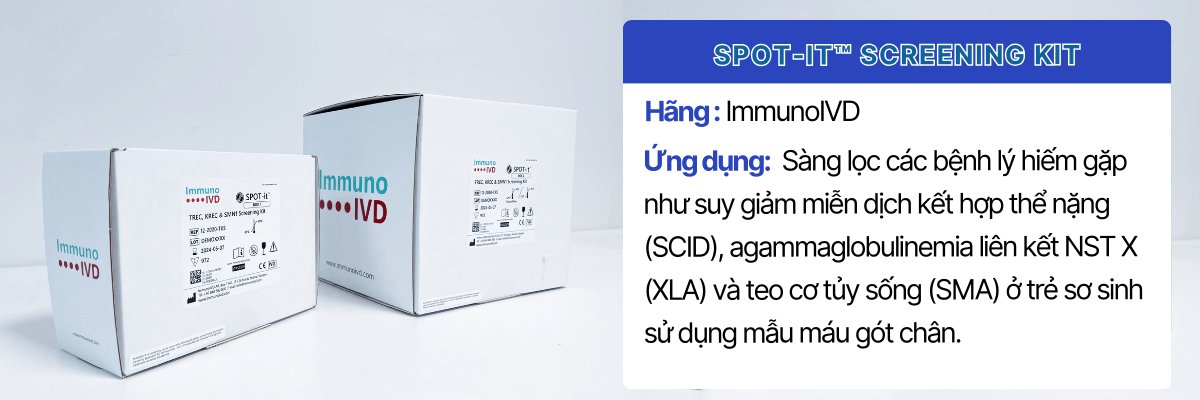
Figure 3: SPOT-it™ Screening Kit product
REFERENCES
- - Blom, M., Bredius, R., Weijman, G., Dekkers, E., Kemper, E., Van Den Akker-Van Marle, M., Van Der Ploeg, C., Van Der Burg, M., & Schielen, P. (2018). Introducing newborn screening for Severe combined Immunodeficiency (SCID) in the Dutch Neonatal Screening Program. International Journal of Neonatal Screening, 4(4), 40. https://doi.org/10.3390/ijns4040040
- - Blom, M. et al. Parents' Perspectives and Societal Acceptance of Implementation of Newborn Screening for SCID in the Netherlands. J Clin Immunol (2020). doi.org/10.1007/s10875-020-00886-4
- - Cardenas-Molales, M. et al. Agammaglobulinemia: from X-linked to Autosomal Forms of Disease. Clin Rev Allergy Immunol (2022). 63,1. doi.org/10.1007/s12016-021-08870-5
- - Cossu, F. Genetics of SCID. Ital J Pediatr, 76 (2010). doi.org/10.1186/1824-7288-36-76
- - D'Amico, A. et al. Spinal muscular atrophy. Orphanet J Rare Dis (2011). 6,71. doi.org/10.1186/1750-1172-6-71
- - Glascock, J. et al.Treatment Algorithm for Infants Diagnosed with Spinal Muscular Atrophy through Newborn Screening. J Neuromuscul Dis (2018). 5(2):145-158. doi.org/10.3233/JND-180304
- - Heimall, J. et al. Immune reconstitution and survival of 100 SCID patients post-hemato-poietic cell transplant: a PIDTC natural history study. Blood (2017). doi.org/10.1182/blood-2017-05-781849
- - Puck, J. Neonatal Screening for Severe Combined Immunodeficiency (SCID). Curr Opin Pediatr. (2011). doi: 10.1097/MOP.0b013e32834cb9b0
- - Zetterström, R.H. et al. Newborn Screening for Primary Immune Deficiencies with a TREC/KREC/ACTB Triplex Assay - AThree-Year Pilot Study in Sweden. Int.J. Neonatal Screen (2017) 3, 11. doi.org/10.3390/ijns3020011
Related Articles

Multigene testing solution (ALK, ROS1, RET, MET) for non-small cell lung cancer (NSCLC)
Lung Cancer RNA Panel is an advanced multigene test kit that enables simultaneous detection of key mutations such as ALK, ROS1, RET, and MET in NSCLC. With an integrated quality control tool (IQCA), the kit...

HMPV: Current Situation and Control Solutions
Currently, the rising number of human metapneumovirus (HMPV) infections is causing alarm in many countries around the world. With its ability to spread widely in winter and early spring, HMPV has become a major...
THE ROLE OF PIK3CA MUTATIONS IN VARIOUS CANCERS
PIK3CA gene mutations play an important role in many cancers, including breast, endometrial, bladder, and colorectal cancers, as well as head and neck squamous cell carcinoma. This article discusses...
Need Advice on the Right Testing Solution?
Viet Huy engineers are ready to help your laboratory choose the optimal technology.