

THE ROLE OF PIK3CA MUTATIONS IN VARIOUS CANCERS
PIK3CA gene mutations play an important role in many cancers, including breast, endometrial, bladder, and colorectal cancers, as well as head and neck squamous cell carcinoma. This article discusses the mechanism of action of PIK3CA mutations, their prevalence in different cancers, and their impact on prognosis and treatment, and introduces a Real-time PCR kit for PIK3CA mutation testing. Learn more about the role of PIK3CA mutations and the diagnostic solutions available.
WHAT ARE PIK3CA MUTATIONS?
Phosphatidyl 3-kinase (PI3K) is a family of lipid kinases involved in many cellular processes, including cell growth, proliferation, differentiation, motility, and survival. PIK3CA is a gene encoding the p110α catalytic subunit of the PI3K protein.
Pan-cancer analyses by The Cancer Genome Atlas (TCGA) have identified PIK3CA and PTEN as among the most frequently point-mutated genes across more than 12 different solid tumor types, second only to the tumor suppressor gene TP53. Cancers with a high rate of activating PIK3CA mutations include [Madsen 2018]:
- Breast cancer (>30%)
- Endometrial cancer (>30%)
- Bladder cancer (>20%)
- Colorectal carcinoma (>17%)
- Head and neck squamous cell carcinoma (>15%)
Cancer may be associated with gene amplification or overexpression of any p110 isoform, but only p110α is commonly activated by mutation.
More than 80% of PIK3CA mutations are concentrated at three 'hotspots', namely glutamate (E) 542 and 545 in the helical domain (exon 9) and histidine (H) 1047 near the C-terminus of the kinase domain (exon 20).
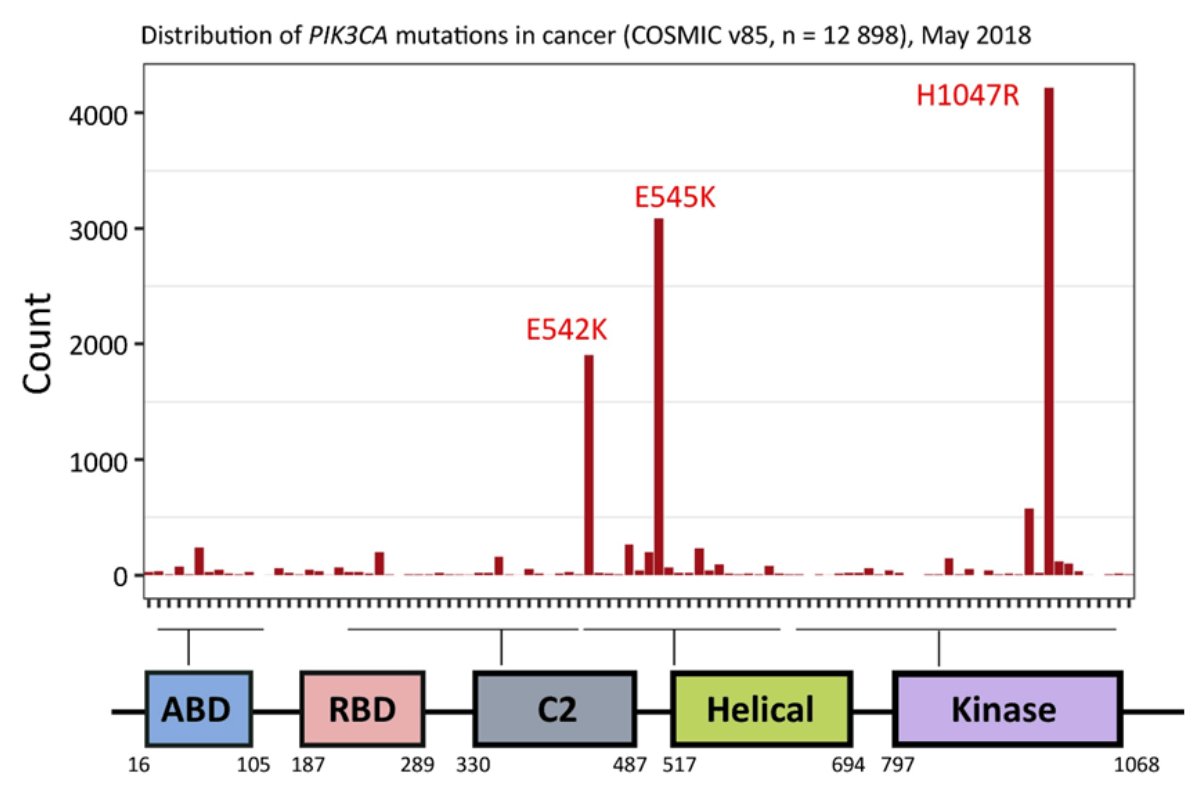
Figure 1: Most (>80%) PIK3CA mutations are located at 3 hotspots: 2 glutamic acids (E) at codons 542 and 545, and a histidine (H) at codon 1047. Data from COSMIC v85, n = 12,898.
PIK3CA MUTATIONS IN BREAST CANCER
Many studies show that PIK3CA is one of the most frequently mutated oncogenes in breast cancer. Currently, about 20-30% of breast cancers carry PIK3CA mutations. PIK3CA mutations are not associated with age, tumor stage, lymph node status, tumor size, or HER2 status [Alqahtani 2019].
PIK3CA mutations may also be associated with disease prognosis. Some studies show that PIK3CA mutations are associated with a poor prognosis, significantly reducing disease-free survival (DFS) in patients with ER-positive tumors. [Alqahtani 2019].
PIK3CA mutations have also been linked to response to breast cancer therapies. Activation of the PI3K/AKT/mTOR signaling pathway contributes to resistance to endocrine therapy in breast cancer. PIK3CA mutations have been reported to be associated with resistance to several antitumor agents, such as paclitaxel, tamoxifen, and trastuzumab.
Research shows a synergistic effect between the PI3K and ER pathways on tumor progression. Currently, there are 2 FDA-approved drugs relevant to the treatment of breast cancer patients with PIK3CA mutations: ivosidenib and alpelisib [FDA 2022] [FDA 2024]. Both are indicated for patients who meet all 3 criteria: HR+, HER2-, and carrying a PIK3CA mutation.
PIK3CA MUTATIONS IN COLORECTAL CANCER
PIK3CA mutations are among the most common mutations in colorectal cancer (CRC), accounting for about 15-20% of cases. PIK3CA gene mutations not only affect the pathogenesis of colorectal cancer but also correlate with its clinical features, prognosis, and treatment response.
In anti-EGFR targeted therapy, tumors harboring PIK3CA mutations (especially in exon 20) often show reduced treatment efficacy. Conversely, PIK3CA mutations increase PD-L1 expression in some cases, improving the response to immunotherapy with anti-PD-1 or anti-PD-L1 agents. Nevertheless, more research is needed to fully understand this interaction.
PIK3CA MUTATIONS IN LUNG CANCER
Lung cancer is classified into 2 main types: non-small cell lung cancer (NSCLC), accounting for 85%, and small cell lung cancer (SCLC), accounting for 15%. EGFR is the most common mutation in Asian patients, present in >50% of NSCLC patients, which is why EGFR TKI therapy is especially important for non-small cell lung cancer.
PIK3CA mutations are found in about 5-8% of NSCLC cases. PIK3CA mutations are thought to be one of the mechanisms of resistance to EGFR TKIs. In a retrospective analysis, NSCLC patients with concurrent EGFR and PIK3CA mutations treated with EGFR-TKI therapy had a significantly shorter time to progression (TTP) than patients with EGFR mutations alone (7.8 months vs. 10.9 months, P = 0.001). Furthermore, a significant reduction in average survival time was observed (20.6 months vs. 32.4 months, P < 0.001), indicating a poorer prognosis and shorter survival in NSCLC patients with concurrent EGFR and PIK3CA mutations treated with EGFR-TKIs.
THE PIK3CA MUTATION ANALYSIS KIT FOR REAL-TIME PCR SOLUTION

Figure 2: PIK3CA Mutation Analysis Kit for Real-Time PCR.
PIK3CA Mutation Analysis Kit (EntroGen, USA) is a solution that enables detection of 11 "hotspot" PIK3CA mutations in exons 7, 9, and 20 through 6 real-time PCR reactions.
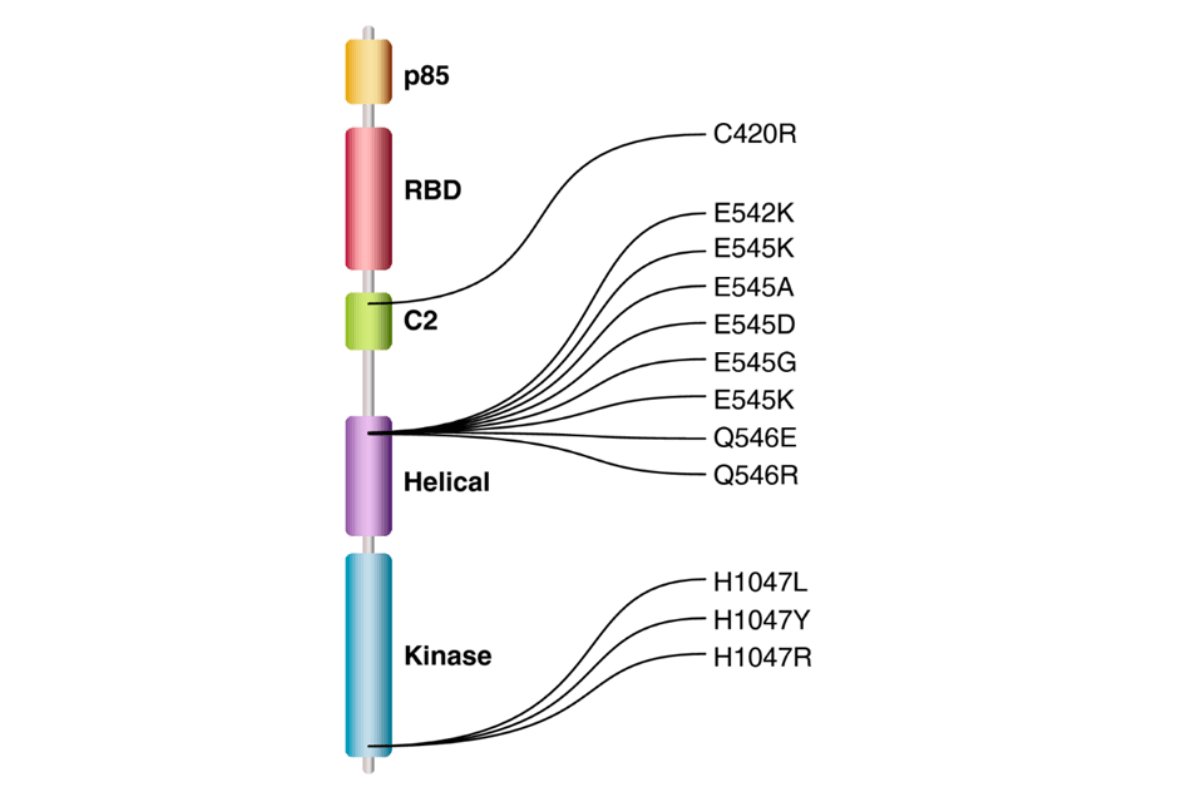
Figure 3: Mutations detectable with the PIK3CA Mutation Analysis Kit (EntroGen, USA)
These 11 key mutations account for the majority (>70%) of PIK3CA mutation cases found in breast cancer.
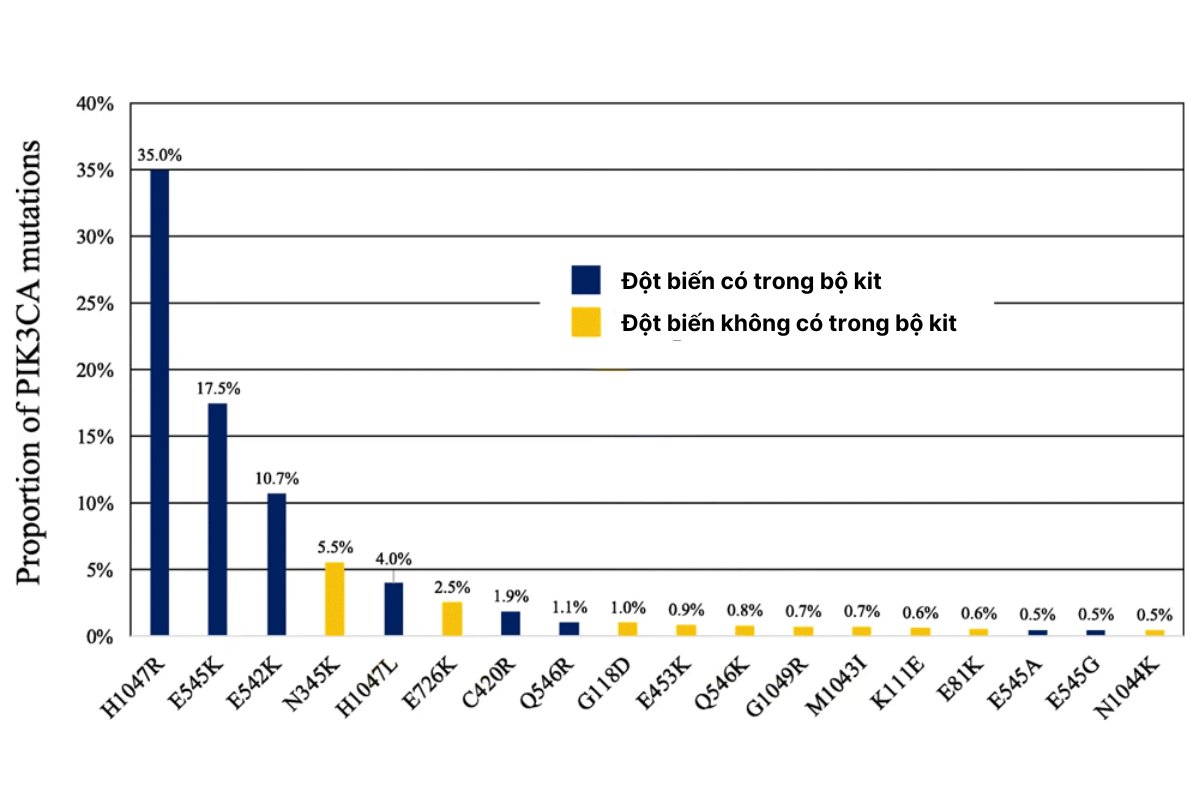
Figure 4: Proportions of the 18 most common PIK3CA mutations found in breast cancer.
The solution is compatible with many different tissue sample types, including needle biopsy (FNA) samples, paraffin-embedded tissue (FFPE), and fresh frozen tissue.
Because PIK3CA is an important mutation in many different cancers, the kit can be applied to many cancer types, including:
- - Breast cancer
- - Colorectal cancer (CRC)
- - Non-small cell lung cancer (NSCLC)
REFERENCES
- 1. Alqahtani, A., Ayesh, H. S., & Halawani, H. (2019). PIK3CA gene mutations in solid malignancies: association with clinicopathological parameters and prognosis. Cancers, 12(1), 93.
- 2. Broeckx, G., Hebrant, A., D'Haene, N., Van de Vijver, K., Van Huysse, J., Vanden Bempt, I., ... & Pauwels, P. (2021). PIK3CA in breast cancer: a Belgian practical testing guideline. BELGIAN JOURNAL OF MEDICAL ONCOLOGY, 15(6), 304-314.
- 3. Madsen, R. R., Vanhaesebroeck, B., & Semple, R. K. (2018). Cancer-associated PIK3CA mutations in overgrowth disorders. Trends in molecular medicine, 24(10), 856-870.
- 4. Martinez-Saez, O., Chic, N., Pascual, T., Adamo, B., Vidal, M., Gonzalez-Farre, B., ... & Prat, A. (2020). Frequency and spectrum of PIK3CA somatic mutations in breast cancer. Breast cancer research, 22, 1-9.
- 5. Millis, S. Z., Jardim, D. L., Albacker, L., Ross, J. S., Miller, V. A., Ali, S. M., & Kurzrock, R. (2019). Phosphatidylinositol 3‐kinase pathway genomic alterations in 60,991 diverse solid tumors informs targeted therapy opportunities. Cancer, 125(7), 1185-1199.
- 6. Peng, K., Liu, Y., Liu, S., Wang, Z., Zhang, H., He, W., ... & Xia, L. (2024). Targeting MEK/COX-2 axis improve immunotherapy efficacy in dMMR colorectal cancer with PIK3CA overexpression. Cellular Oncology, 1-16.
- 7. Qiu, X., Wang, Y., Liu, F., Peng, L., Fang, C., Qian, X., ... & Li, Y. (2021). Survival and prognosis analyses of concurrent PIK3CA mutations in EGFR mutant non-small cell lung cancer treated with EGFR tyrosine kinase inhibitors. American journal of cancer research, 11(6), 3189.
- 8. U.S. Food and Drug Administration. (2022). FDA approves alpelisib for PIK3CA-related overgrowth spectrum.
- 9. U.S. Food and Drug Administration. (2024). FDA approves inavolisib with palbociclib and fulvestrant for endocrine-resistant, PIK3CA-mutated HR-positive breast cancer.
- 10. Wang, H., Tang, R., Jiang, L., & Jia, Y. (2024). The role of PIK3CA gene mutations in colorectal cancer and the selection of treatment strategies. Frontiers in Pharmacology, 15, 1494802.
Related Articles

Multigene testing solution (ALK, ROS1, RET, MET) for non-small cell lung cancer (NSCLC)
Lung Cancer RNA Panel is an advanced multigene test kit that enables simultaneous detection of key mutations such as ALK, ROS1, RET, and MET in NSCLC. With an integrated quality control tool (IQCA), the kit...

HMPV: Current Situation and Control Solutions
Currently, the rising number of human metapneumovirus (HMPV) infections is causing alarm in many countries around the world. With its ability to spread widely in winter and early spring, HMPV has become a major...

SPOT-it™ Newborn Screening Kits: An Accurate and Reliable Screening Solution for SCID, XLA, and SMA
The SPOT-it™ TREC Screening Kit and the SPOT-it™ TREC, KREC & SMN1 Screening Kit enable early detection of rare diseases, increasing the chances of survival and quality of life...
Need Advice on the Right Testing Solution?
Viet Huy engineers are ready to help your laboratory choose the optimal technology.