

HLA-B27 OVERVIEW: A GENETIC MARKER ASSOCIATED WITH AUTOIMMUNE DISEASES
HLA B27 testing plays an important role in supporting the diagnosis of arthritis and ankylosing spondylitis, and it is also a predictive marker for other autoimmune diseases associated with HLA. In addition, this test is very useful in determining how patients are likely to respond to certain specific drugs used to treat these conditions. Its ability to predict treatment efficacy and treatment outcomes for patients makes HLA B27 testing a valuable tool in personalized treatment approaches for autoimmune disorders
What Is HLA-B27?
HLA-B27, a leukocyte antigen encoded by the B27 gene on chromosome 6, is a component of MHC class I and plays an important role in immunity. With more than 60 variants, HLA-B27 is involved in presenting antigens to T cells, influencing the immune response. This diversity is closely associated with autoimmune diseases such as spondyloarthritis, including ankylosing spondylitis (AS). About 8% of the white population is HLA-B27 positive, but not everyone develops the disease, indicating that other genetic and environmental factors also play a role. Understanding HLA-B27 helps healthcare professionals diagnose and manage the disease effectively, although it is not the only diagnostic marker. A comprehensive evaluation, including HLA-B27 testing and other diagnostic methods, is necessary to manage conditions associated with HLA-B271.
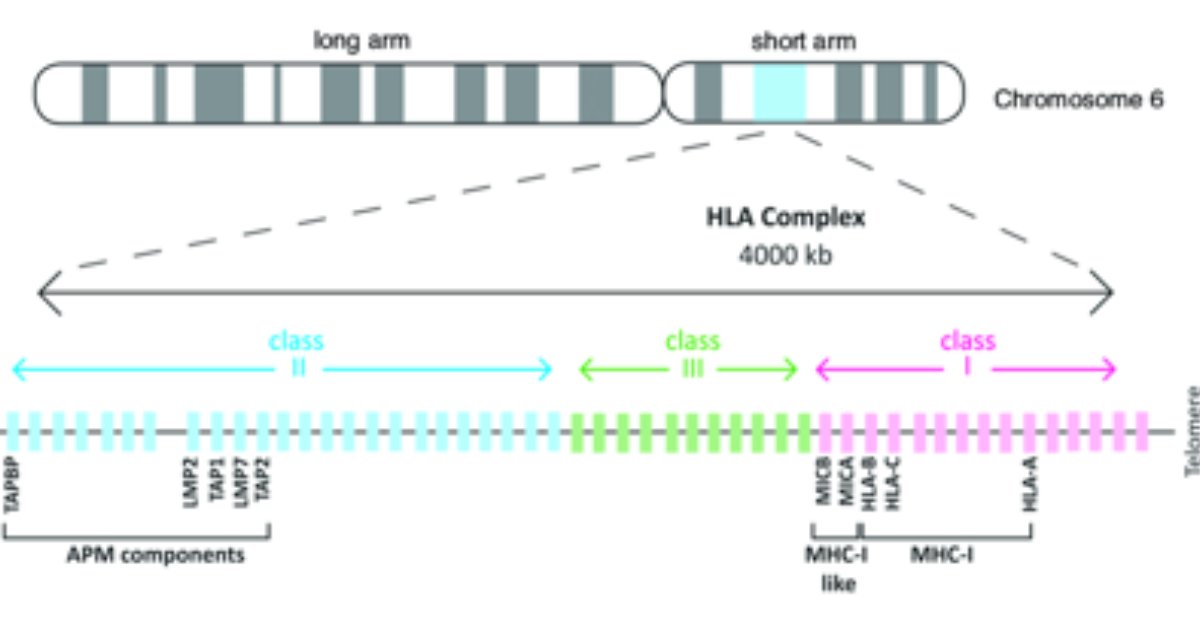
Figure 1. HLA-B27 and self-antigens associated with ankylosing spondylitis.
HLA and Autoimmune Diseases
HLA-B27, a class I molecule of the major histocompatibility complex (MHC), plays an important role in research on autoimmune diseases such as ankylosing spondylitis (AS), reactive arthritis, and other inflammatory conditions. The specific mechanism by which HLA-B27 causes disease is still under investigation, with several hypotheses being explored.
One of the main hypotheses is that HLA-B27 can bind self-peptides, present them to T cells, and trigger an autoimmune response. This can lead to inflammation and tissue damage in the associated diseases. For example, the ability of HLA-B27 to bind bacterial peptides may activate T cells to attack the joints, causing reactive arthritis.
Another hypothesis is that HLA-B27 increases the risk of developing an autoimmune response by making self-antigens more easily recognized by T cells. This recognition may trigger T cells to attack body structures such as the spine, causing inflammation and pain in AS.
In addition, HLA-B27 may also affect T-cell function, for example by increasing the production of pro-inflammatory cytokines, which contributes to inflammation and tissue damage in autoimmune diseases.
The role of HLA-B27 in autoimmune diseases is a complex area of research that continues to be explored. Studies have shown the importance of HLA-B27 in the development of these diseases, opening up new directions for diagnosis and treatment4.
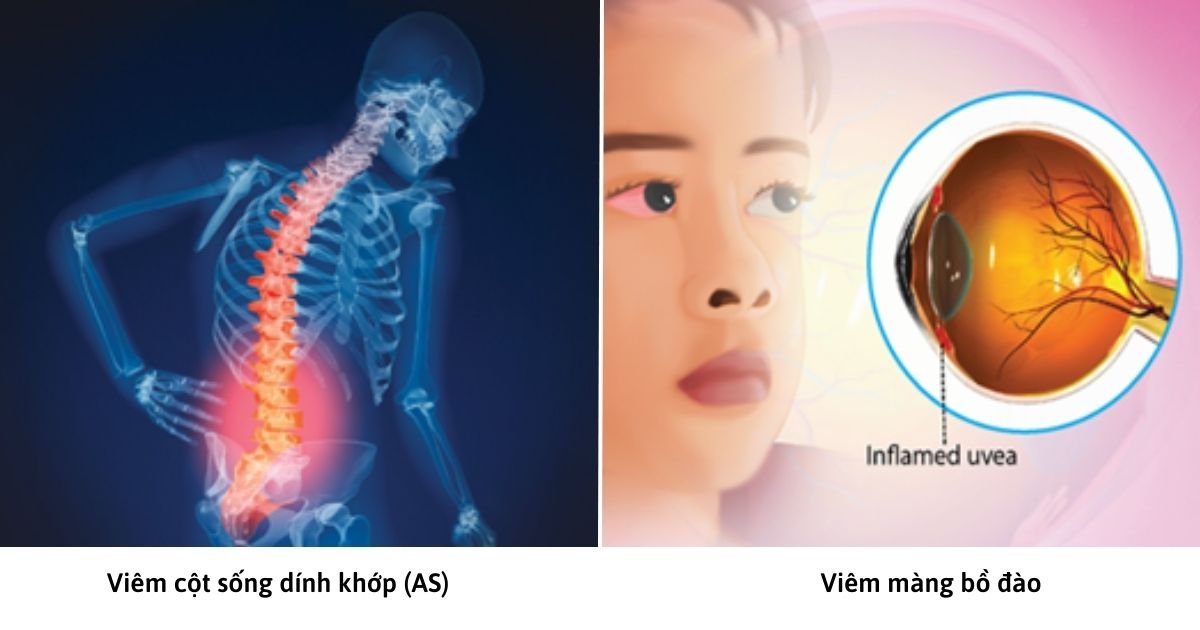
Figure 2: Common diseases
HLA-B27 as a Predictor of Drug Response in Autoimmune Diseases
HLA-B27 plays an important role in determining patients' responses to drugs used to treat autoimmune diseases. Studies show that HLA-B27-positive patients with ankylosing spondylitis (AS) often respond better to immunosuppressive drugs such as methotrexate and etanercept. This may be because HLA-B27 enhances the autoimmune response, and these drugs help control that response.
HLA-B27 also helps predict the risk of developing drug side effects. For instance, HLA-B27-positive patients with reactive arthritis are at high risk of uveitis, a side effect of sulfasalazine.
Specific examples of the impact of HLA-B27 on treatment response include:
- Methotrexate and Etanercept for ankylosing spondylitis: More effective in HLA-B27-positive patients.
- Sulfasalazine in reactive arthritis: Higher risk of side effects in HLA-B27-positive patients.
- Adalimumab in psoriatic arthritis: Better response in HLA-B27-positive patients.
However, it should be noted that HLA-B27 is only one of many predictive factors and does not guarantee a specific patient response to a particular drug. Disease severity and other factors are also important in determining how a patient responds to treatment2.
Why Test for HLA-B27?
HLA-B27 testing has notable clinical significance because of its association with autoimmune diseases. As part of the major histocompatibility complex, the presence of HLA-B27 increases the risk of diseases such as ankylosing spondylitis and other forms of arthritis associated with spondylitis. In differential diagnosis, especially with symptoms such as chronic back pain, uveitis, or reactive arthritis, HLA-B27 testing is an indispensable tool for healthcare professionals. Although a positive result is not a definitive diagnosis, it helps narrow down the diagnostic possibilities and supports the planning of further clinical evaluation and management5.

HLA-B27 Testing Methods
There are 2 commonly used methods for HLA-B27 testing:
Flow Cytometry: This is a preferred technique thanks to its ability to detect the HLA-B27 antigen on white blood cells quickly and accurately. Using specific fluorescently labeled antibodies, this method allows HLA-B27-positive cells to be identified and quantified through flow cytometric analysis.
Real-time PCR: an extremely sensitive and specific method that is useful for detecting the HLA-B27 gene. By amplifying the DNA associated with HLA-B27, PCR helps identify the antigen at the genetic level.
Flow Cytometry is often chosen because of its fast turnaround time and ease of use. However, Real-time PCR provides deeper genetic insight, which is important for confirming the diagnosis in difficult cases. Both methods are important tools that help healthcare professionals effectively diagnose and manage HLA-B27-associated autoimmune diseases3.
Our Solution
VIET HUY Technological Scientific Equipment Co., Ltd supplies the HLA-B27 REAL-TM test kit from Sacace Biotechnologies - Italy. We are the exclusive representative of SACACE in Vietnam. The kit is currently used in many hospitals and clinics across the country.
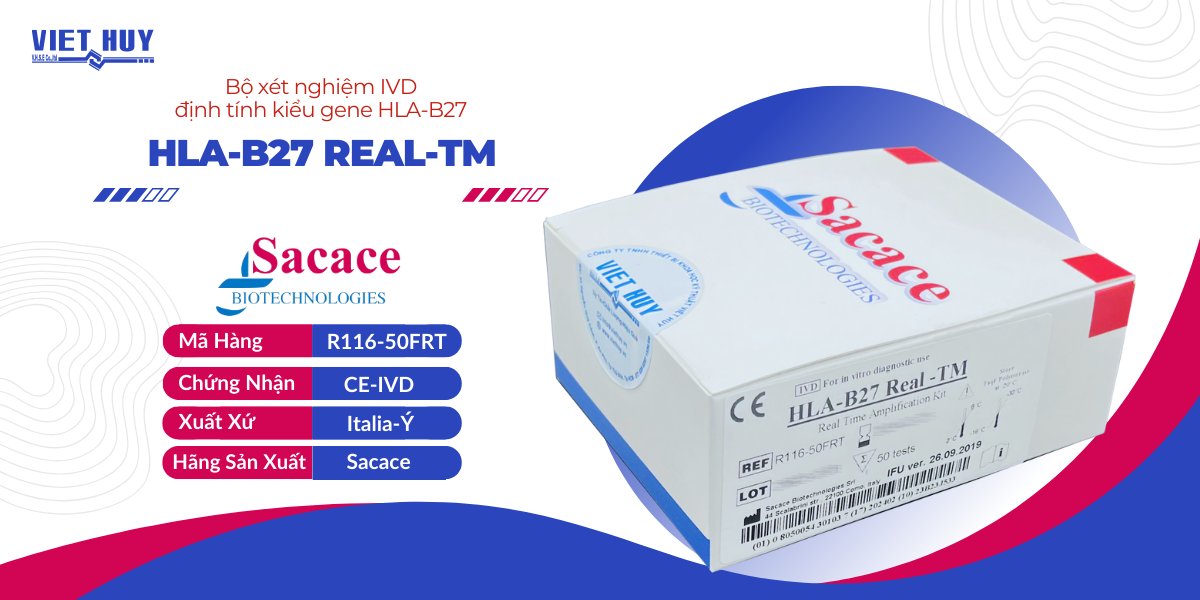
Figure 4: HLA-B27 REAL-TM test kit
Contact Information
VIET HUY Technological Scientific Equipment Co., Ltd
- Address: 33 Nguyen Quy Canh, An Phu Ward, Thu Duc City, Ho Chi Minh City
- Email: info@viethuy.vn
- Website: www.viethuy.vn
- Phone: 028 6287 1596 / 99
References
1. Bowness P et al. HLA-B27 and its role in the pathogenesis of spondyloarthritis. Nat Rev Rheumatol. 2016 Jun;12(6):361-74
2. Colbert RA et al. HLA-B27-associated inflammatory arthritides: role of HLA-B27 in disease pathogenesis and drug response, Immunol Rev. 2014 Apr;257(1):23-34.
3. Chheda P et al. HLA-B27 testing: A journey from flow cytometry to molecular subtyping. J Clin Lab Anal. 2018 Jun;32(5):e22382.
4. Reveille JD et al. HLA-B27 and autoimmunity: a critical review of the role of HLA-B27 in disease susceptibility and pathogenesis. Arthritis Rheum. 2004 Jan;50(1):269-82.
5. Ziade N. Human leukocyte antigen-B27 testing in clinical practice: a global perspective. Curr Opin Rheumatol. 2023 July 1;35(4):235-242.
Related Articles

Multigene testing solution (ALK, ROS1, RET, MET) for non-small cell lung cancer (NSCLC)
Lung Cancer RNA Panel is an advanced multigene test kit that enables simultaneous detection of key mutations such as ALK, ROS1, RET, and MET in NSCLC. With an integrated quality control tool (IQCA), the kit...

HMPV: Current Situation and Control Solutions
Currently, the rising number of human metapneumovirus (HMPV) infections is causing alarm in many countries around the world. With its ability to spread widely in winter and early spring, HMPV has become a major...

THE ROLE OF PIK3CA MUTATIONS IN VARIOUS CANCERS
PIK3CA gene mutations play an important role in many cancers, including breast, endometrial, bladder, and colorectal cancers, as well as head and neck squamous cell carcinoma. This article discusses...
Need Advice on the Right Testing Solution?
Viet Huy engineers are ready to help your laboratory choose the optimal technology.