
Thrombophilia: Inherited Venous Thrombosis
What Kind of Disorder Is Thrombophilia?
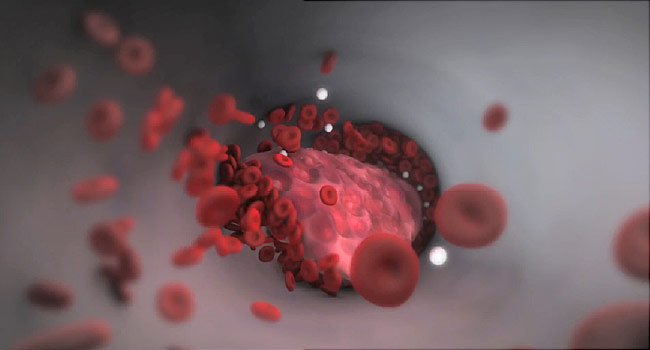
Thrombophilia, also known by other names such as hypercoagulability or increased local thrombosis, is a disorder in which the formation of blood clots (thrombi) in the blood vessels is increased. The disorder has a high mortality rate because deep vein thrombosis causes dangerous complications, such as in the lungs (pulmonary embolism); blockage of the blood vessels in the legs is a common form of the disorder.
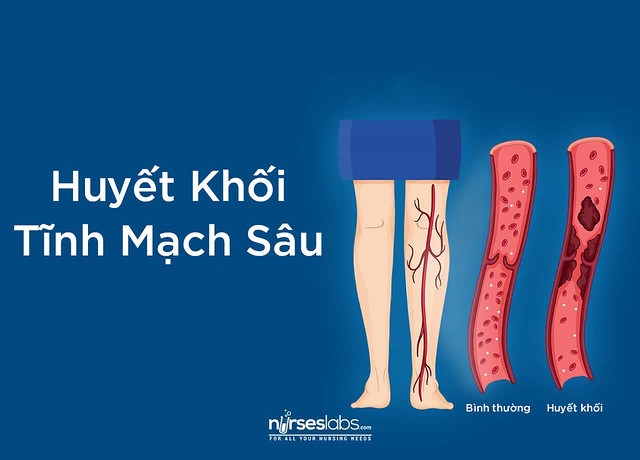
Figure 1: Deep vein thrombosis formed in the leg. Fragments of the thrombus break off and travel through the blood vessels to the lungs, causing pulmonary blockage (pulmonary embolism)
Thrombi obstruct blood flow and circulation, which deliver oxygen and nutrients to the organs of the body. The disorder is extremely dangerous if thrombi form in the blood vessels of the heart, brain, lungs (pulmonary embolism), or other vital organs, leading to a high risk of death. In addition, the disorder can lead to miscarriage and is a secondary cause of many other conditions in pregnancy, such as intrauterine growth restriction (IUGR) due to blockage of the placental blood vessels, causing perinatal morbidity or mortality.

Venous thrombosis can cause fetal growth restriction, miscarriage, and perinatal complications, seriously harming the health of the mother and fetus, and is associated with HELLP syndrome, one of the dangerous syndromes with a high mortality rate for mothers and fetuses.
How Many Common Types of Venous Thrombosis Are There?
Coagulation disorders, or venous thromboembolism (VTE), take many different forms, but most cases can be divided into two common types:
- Deep vein thrombosis (DVT): usually causes aching pain in areas of blood vessels deep beneath the epidermis.
- Pulmonary embolism (PE): causes secondary diseases related to the respiratory tract
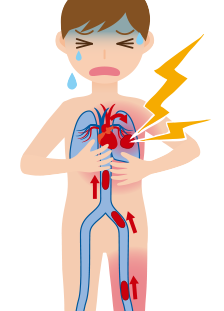
Figure 2: Pulmonary embolism (PE) caused by fragments from deep vein thrombosis (DVT)
Who Is at Risk of Venous Thrombosis?
Venous thrombosis can occur at any age, regardless of sex or race, and its causes are divided into:
- Primary, due to inherited mutations: patients carry inherited mutations such as coagulation factor V (Factor V Leiden/R2), prothrombin/Factor II, MTHFR C677T, MTHFR A1298C, PAI-1/SERPINE1 4G/5G
- Non-genetic causes: the disorder arises from incidents, accidents, or lifestyle factors that damage blood vessels, leading to thrombus formation
Prevention and treatment planning are essential for patients with venous thrombosis caused by gene mutations. Although there are no specific recommendations yet for first-degree relatives of patients with inherited venous thrombosis, the Evaluation of Genomic Applications in Practice and Prevention (EGAPP) Working Group has issued recommendations on genetic mutation testing1 for mutations such as coagulation factor V (Factor V Leiden) and prothrombin 20210G>A in family members of patients with idiopathic venous thrombosis.
Significance of Genetic Testing
Genetic testing is a method that uses molecular biology technology to examine genes inherited from the parents or gene mutations that arise during the patient's lifetime, in order to identify the causes of abnormal activity of the cellular machinery in the body; detecting these abnormalities makes it possible to choose the right and highly effective treatment.
For patients with idiopathic venous thrombosis, Thrombophilia genetic testing plays an extremely important role in adjusting treatment and prevention. Should the patient's first-degree relatives be tested to determine whether the clotting disorder is related to inherited mutations?
Two main reasons why doctors recommend Thrombophilia testing:
- To continue anticoagulant therapy if positive for Thrombophilia
- To stop anticoagulant therapy after 3-6 months of treatment if negative for Thrombophilia
First-degree relatives of the patient are advised to undergo Thrombophilia genetic testing if the patient is positive for Thrombophilia gene mutations. Visit your nearest healthcare center for a doctor's advice, care, and treatment.
References:
1. Moll, S. Who should be tested for thrombophilia? Genet. Med. 13, 19-20 (2011).
Related Articles

Multigene testing solution (ALK, ROS1, RET, MET) for non-small cell lung cancer (NSCLC)
Lung Cancer RNA Panel is an advanced multigene test kit that enables simultaneous detection of key mutations such as ALK, ROS1, RET, and MET in NSCLC. With an integrated quality control tool (IQCA), the kit...
HMPV: Current Situation and Control Solutions
Currently, the rising number of human metapneumovirus (HMPV) infections is causing alarm in many countries around the world. With its ability to spread widely in winter and early spring, HMPV has become a major...
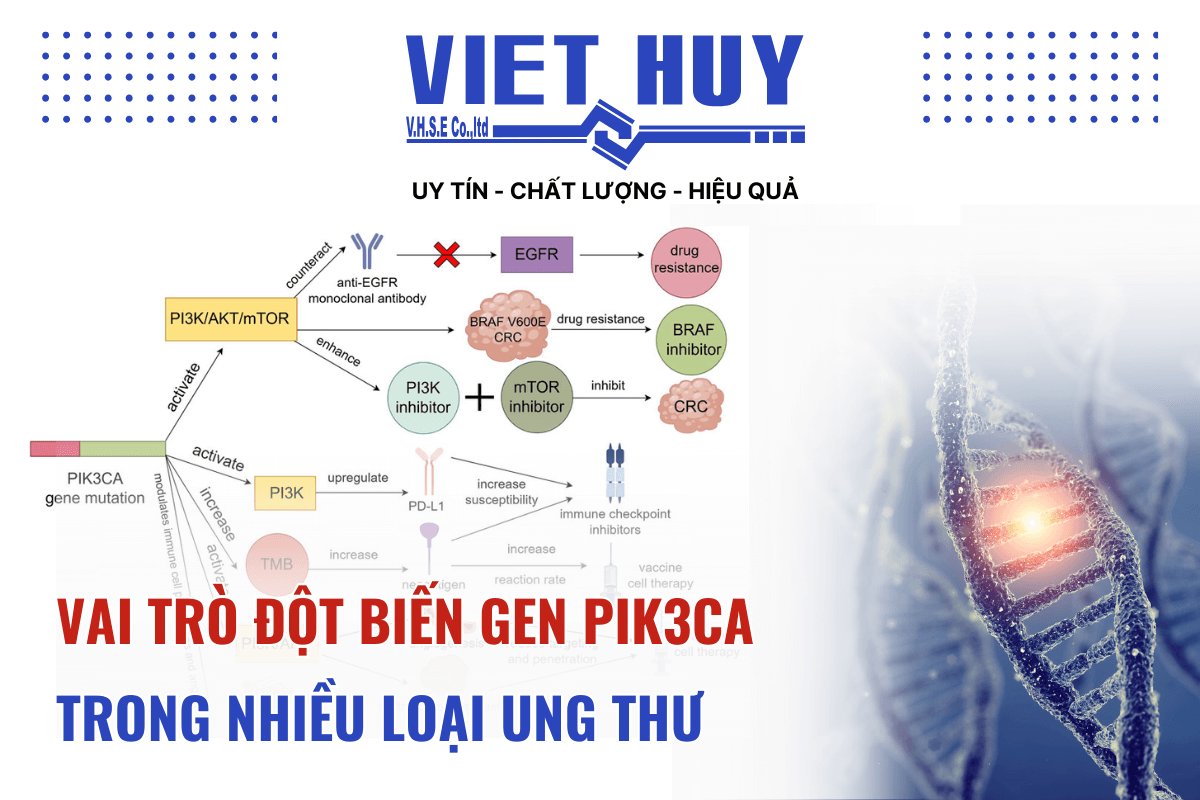
THE ROLE OF PIK3CA MUTATIONS IN VARIOUS CANCERS
PIK3CA gene mutations play an important role in many cancers, including breast, endometrial, bladder, and colorectal cancers, as well as head and neck squamous cell carcinoma. This article discusses...
Need Advice on the Right Testing Solution?
Viet Huy engineers are ready to help your laboratory choose the optimal technology.