
CERVICAL CANCER SCREENING - THE ROLE OF HPV TESTING
Cervical cancer is a dangerous and common disease in women. However, it can be effectively prevented through screening and HPV vaccination. This article will help answer frequently asked questions such as:
- - What is cervical cancer? Why is cervical cancer screening necessary?
- - What is HPV? The link between HPV and cervical cancer
- - Common tests used in cervical cancer screening
- - WHO and CDC guidelines for cervical cancer screening
Benefits of Cervical Cancer Screening
What Is the Cervix? What Is Cervical Cancer?
The cervix connects the uterus to the vagina and consists of 2 main parts: the outer cervix (ectocervix) and the inner cervix (endocervix). The area where these 2 parts meet is called the squamocolumnar junction (SCJ) or transformation zone (TZ). Most abnormal cells and cervical cancers first appear in this area (Figure 1) ³.
The transition of the cervix from normal to cancerous is very slow. It begins with dysplasia, which produces abnormal cells in the cervix. Over time, these abnormal cells may become cancer cells and begin to grow and spread deeper into the cervix and surrounding areas ³.
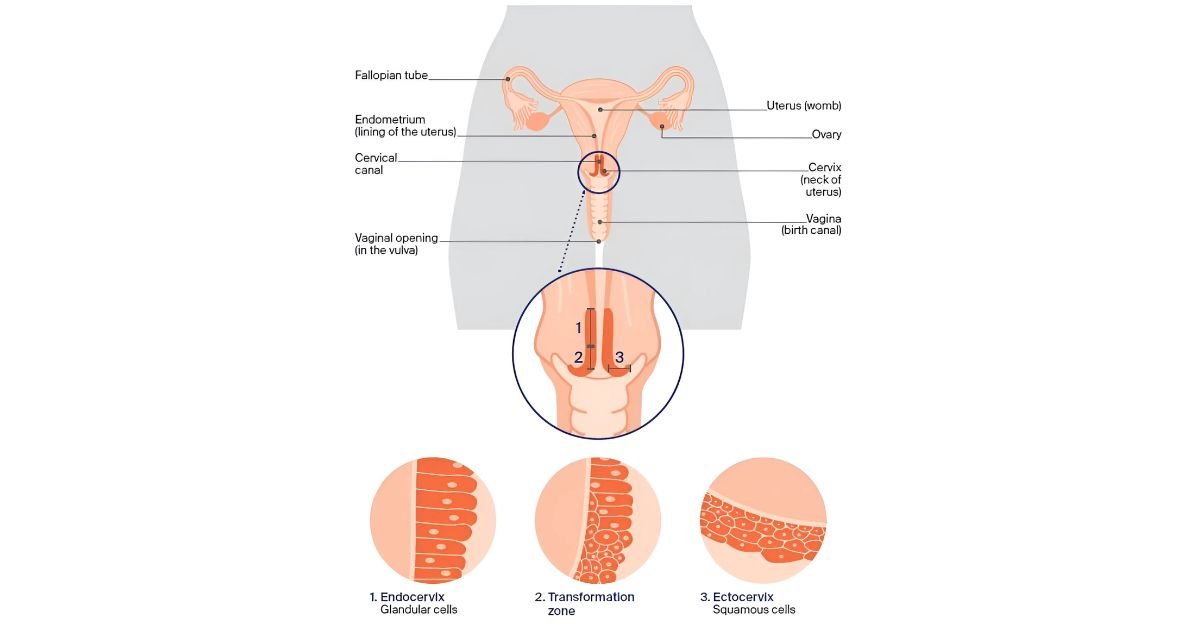
Figure 1: Location and structure of the female cervix.
Statistics That Speak for Themselves
Globally, cervical cancer is the fourth most common cancer in women, with 660,000 new cases and 350,000 deaths in 2022 (Figure 2). As many as 94% of these deaths occurred in low- and middle-income countries. Southeast Asia, sub-Saharan Africa (SSA), and Central America are the three regions with the highest incidence and mortality rates in the world ⁷.
In Vietnam, according to the Global Cancer Observatory (Globocan), there were 4,612 new cases of cervical cancer and 2,571 deaths from the disease in 2020 ².
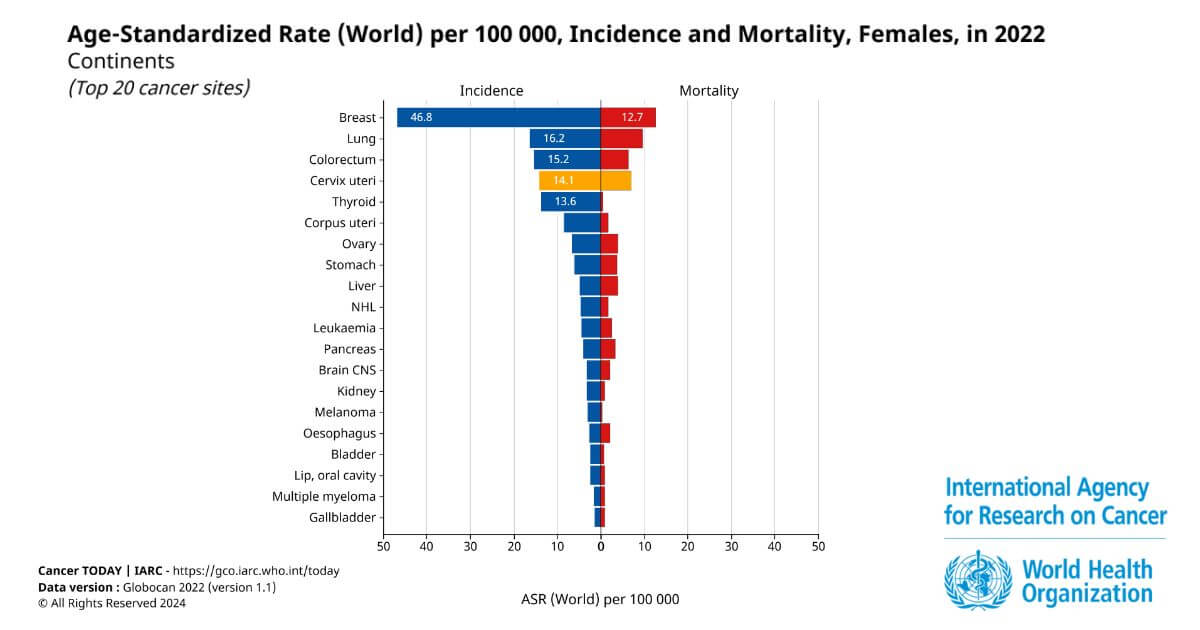
Figure 2: Ranking of the 20 most common cancers in women worldwide (WHO, 2022).
Why Regular Screening Can Prevent Cervical Cancer
The process from the appearance of abnormal cells in the cervix to their transformation into cancer is very slow, taking 5 to 20 years. If abnormal cells are treated or removed in time, they will no longer have the chance to develop into cancer.
Tests that can detect abnormalities at high risk of leading to cervical cancer are called screening tests. Adhering to regular screening can help minimize the risk of developing cervical cancer.
In Vietnam, there is currently no nationwide cervical cancer screening program. As a result, most cases are already at an advanced stage when detected. At least 75% of patients at Ho Chi Minh City Oncology Hospital and Da Nang Oncology Hospital are at stage IIB or later ⁴.
HPV: The Leading Cause of Cervical Cancer
What Is HPV?
Human papillomavirus (HPV) is a family of circular, double-stranded DNA viruses with more than 200 identified types, of which just over 40 HPV types can infect the mucosal epithelium of the genital area. Based on their association with cervical cancer, HPV types are divided into 2 groups: high-risk HPV and low-risk HPV (Figure 3)¹.
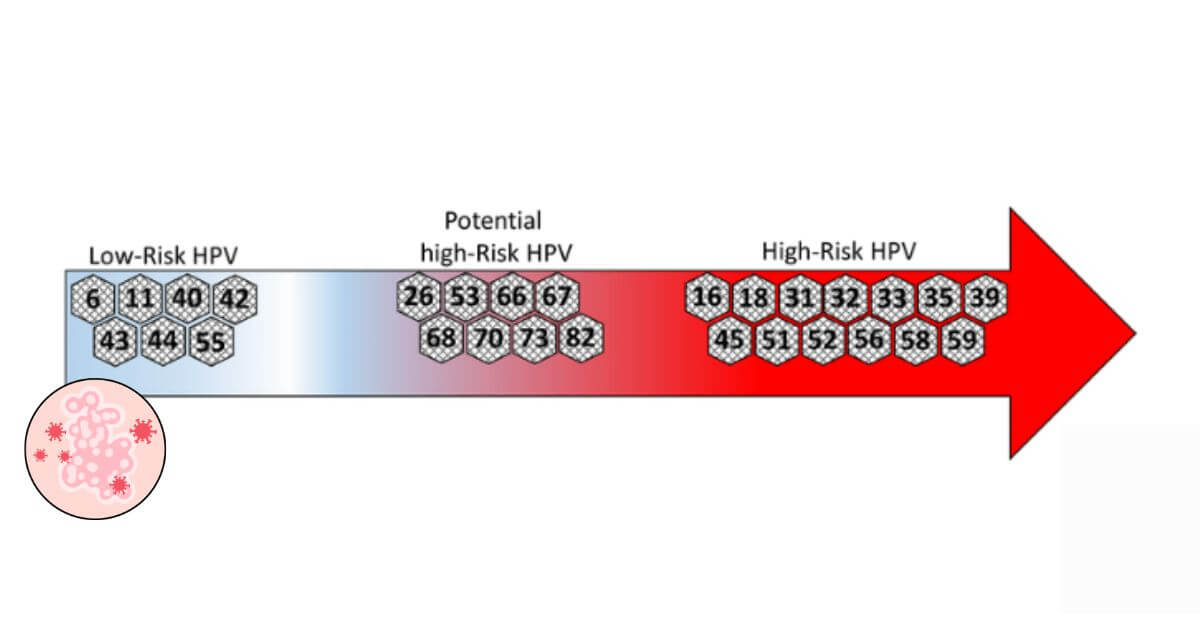
Figure 3: Classification of selected high-risk and low-risk HPV types.
The Link Between HPV and Cervical Cancer Risk
High-risk HPV is detected in more than 99% of cervical precancer cases, and more than 70% of cervical cancer cases are associated with HPV types 16 and 18 (Figure 4)¹.
In addition to cervical cancer, high-risk HPV is also associated with other anogenital cancers (cancers of the vagina, vulva, penis, and anus, ...) and head and neck cancers (throat cancer, laryngeal cancer, nasopharyngeal cancer, ...) ¹.
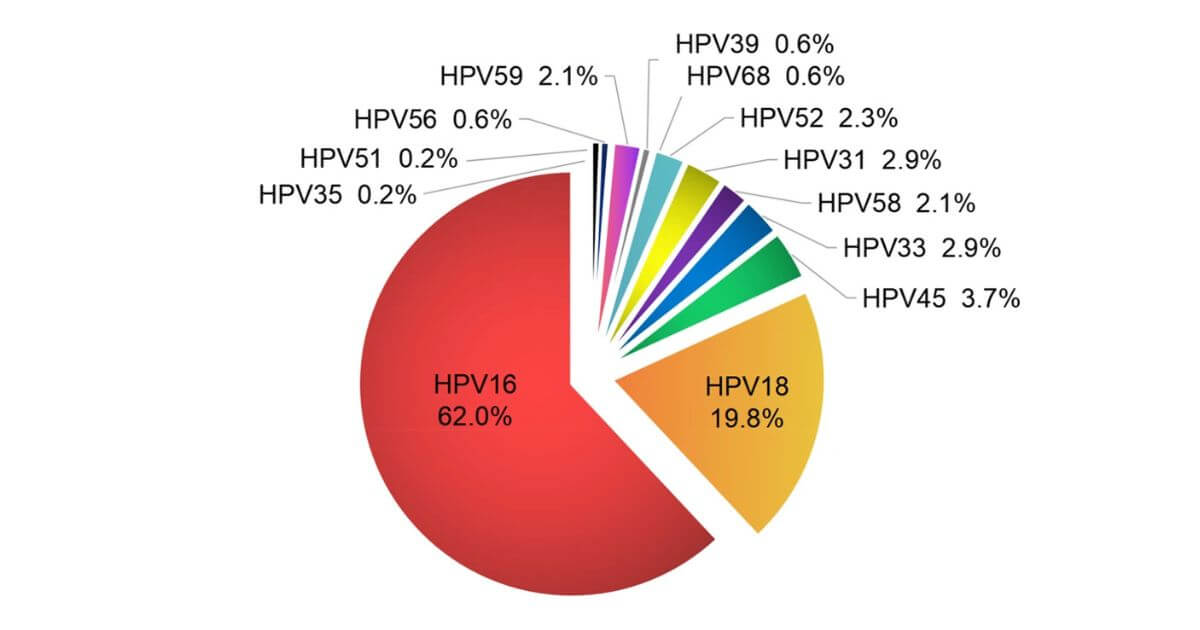
Figure 4: Chart of the proportions of HPV types detected in cervical cancer samples
(Sun, Q. et al, 2022, doi: 10.1186/s40364-022-00428-7)
Why Do Some People with HPV Not Develop Cancer?
Most HPV types can only infect the skin epithelium and cause common warts. Only just over 40 HPV types can infect the mucosal epithelium, and not all of them are capable of causing cervical cancer ¹.
Low-risk HPV infections usually cause only benign abnormalities; 90% of anogenital warts are caused by HPV type 6 or 11 ¹.
High-risk HPV infection is considered a "necessary condition" for cervical cancer, but it is not sufficient on its own to cause cervical cancer. Most women infected with HPV will not develop cervical cancer, even when infected with high-risk HPV types ¹.
An interesting fact is that almost all of us are infected with HPV at least once at some point in our lives, usually without symptoms. About 90% of people infected with HPV clear the infection on their own within 2 years ⁹.
What Is the HPV Vaccine? Benefits of HPV Vaccination
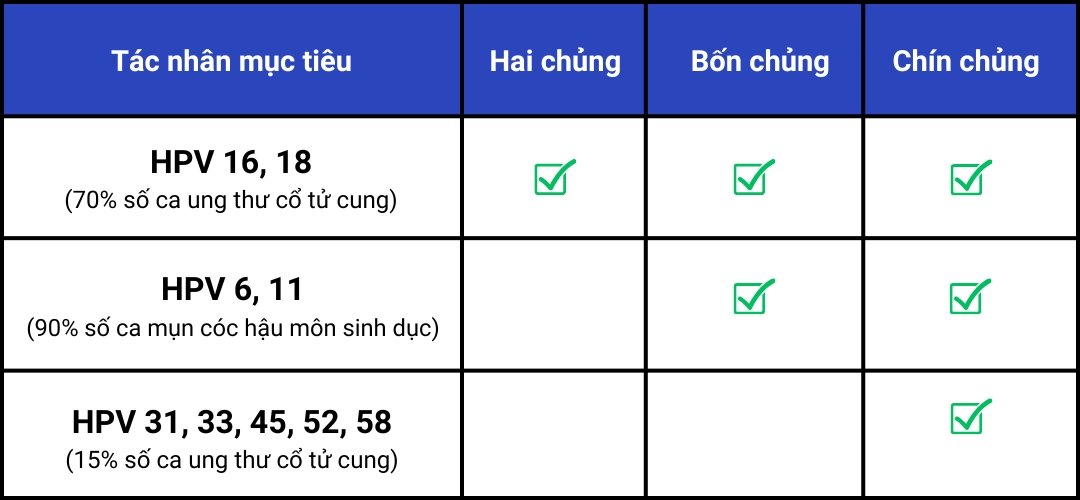
Current HPV vaccines use the HPV L1 protein to assemble virus-like particles (VLPs) that mimic HPV in order to stimulate the body to produce specific neutralizing antibodies. To date, 6 HPV vaccines have been licensed for use, including bivalent, quadrivalent, and nonavalent vaccines ⁶. In Vietnam, two HPV vaccines are licensed: Gardasil 4 (quadrivalent) and Gardasil 9 (nonavalent) ⁵.
Common Cervical Cancer Screening Tests
VIA/VILI Methods
Clinicians inspect the cervix for lesions with the naked eye, aided by a reagent: acetic acid (VIA method) or Lugol's iodine (VILI method). On contact with the reagent, lesions take on a color different from that of healthy tissue: white with acetic acid and yellow with Lugol's iodine (Figure 4) ⁸.
These methods are particularly beneficial in low-resource healthcare settings because they provide immediate visual results at low cost without the need for complex medical equipment.
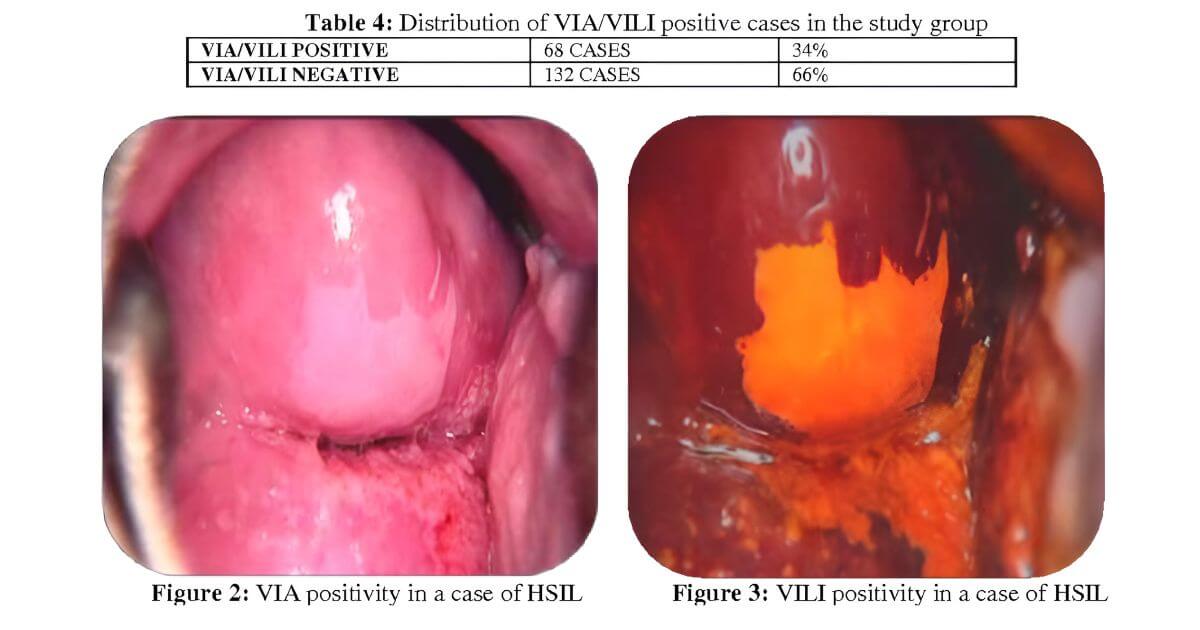
Figure 5: Cervical lesions observed with VIA (left) and VILI (right).
Cytology Testing (Pap Smear)
Clinicians use a microscope to look for abnormal cells on a glass slide containing the sample, aided by 6 different stains. In a Pap smear, the sample is smeared directly onto the slide, then stained and examined (Figure 5) ¹⁰.
Today, liquid-based cytology (LBC) allows for better sample preparation: the sample is first placed in a preservative solution and then transferred to the slide manually or automatically ¹⁰. Compared with the PAP smear, LBC has 3 advantages:
- 1. Reduces overlapping cells as well as interfering factors
- 2. Samples can be stored for other tests such as HPV, Chlamydia, and Gonorrhea
- 3. Can be automated, with AI software assisting in result interpretation
These liquid-based cytology (LBC) improvements have helped standardize the procedure, significantly improving the consistency of cytology testing (Pap smear).
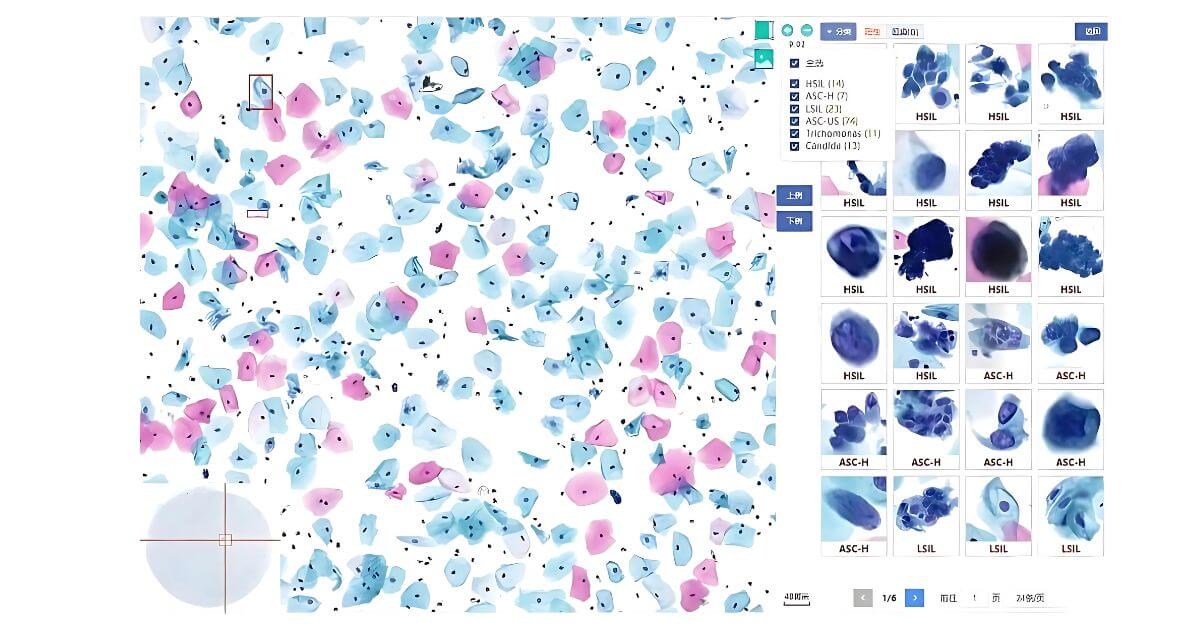
Figure 6: Liquid-based PAP (LBC) test results in the software of an automated system.
HPV DNA Testing
As mentioned above, more than 99% of cervical cancer cases are positive for at least one high-risk HPV type. Currently, WHO recommends nucleic acid amplification tests (NAAT) (typically real-time PCR) for HPV DNA detection as the primary screening test because of 3 key advantages:
- 1. Superior sensitivity and specificity
- 2. Fewer human errors
- 3. Objective interpretation of results
Some real-time PCR HPV DNA test kits now also integrate genotyping, allowing precise identification of the HPV type the patient is infected with (Figure 6).
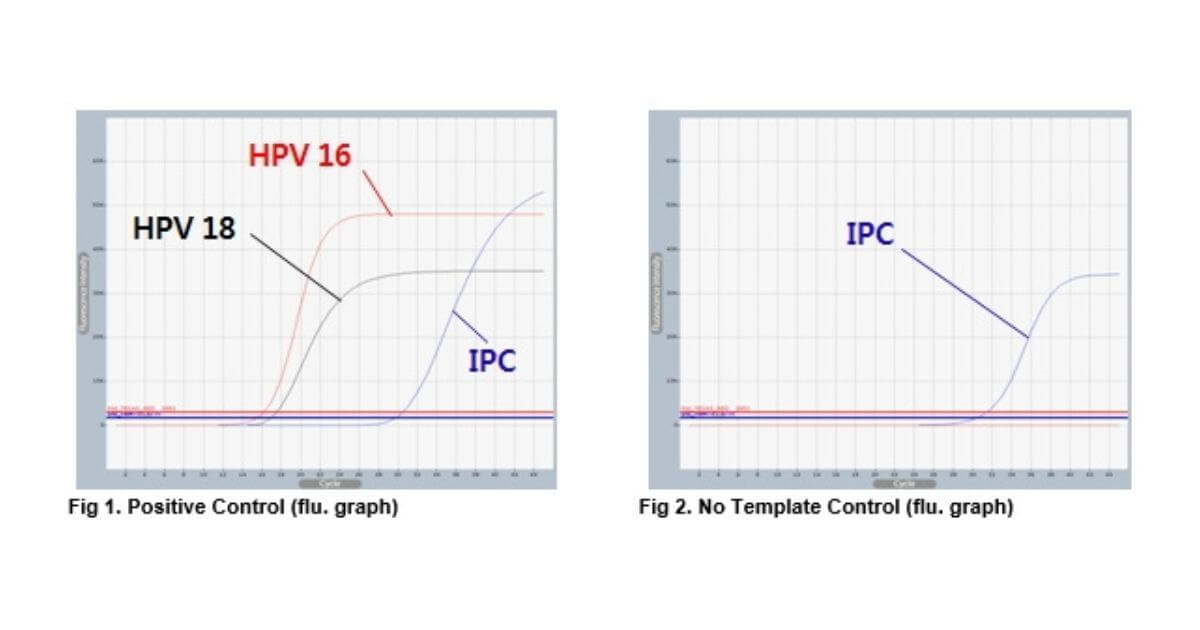
Figure 7: Real-time PCR results for HPV detection and genotyping. Positive result (left) and negative result (right). IPC is the internal control gene, used to control the testing process.
Colposcopy
Colposcopy is quite similar to the VIA/VILI methods: clinicians also inspect the cervix for lesions with the aid of reagents such as acetic acid or Lugol's iodine.
The biggest difference with colposcopy is that the examination is performed with specialized equipment that provides adequate illumination and magnified images (Figure 7). In addition, colposcopy allows clinicians to take biopsy samples for histopathological diagnosis to confirm the disease status.
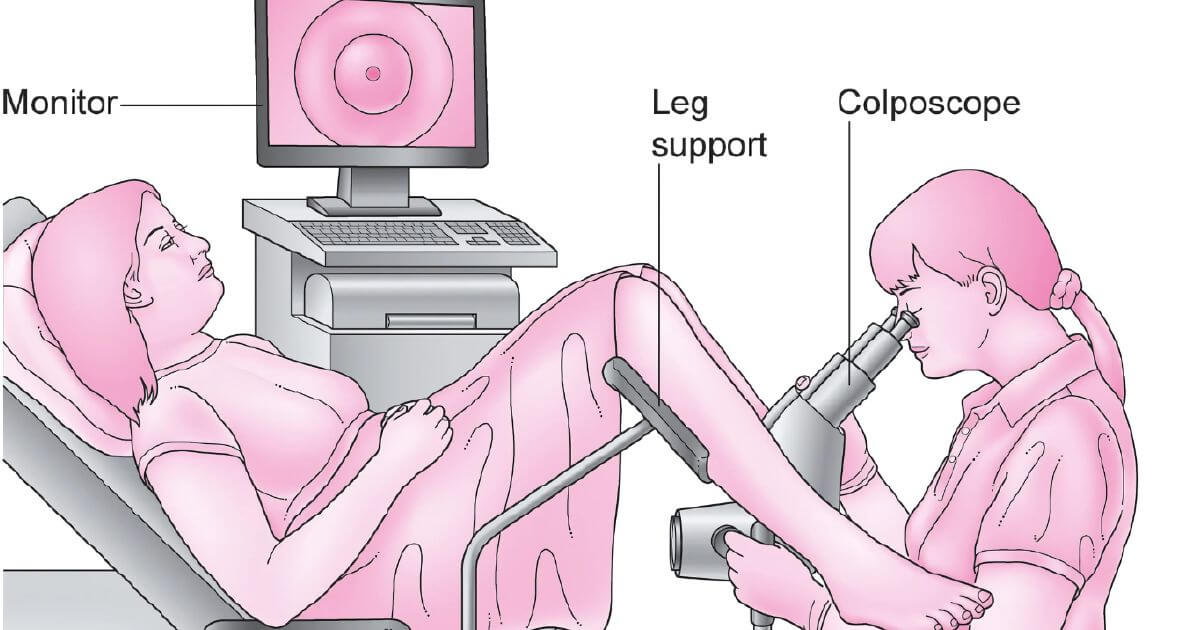
Figure 8: A healthcare professional using a colposcope
CDC and WHO Guidelines on Cervical Cancer Screening
The CDC and WHO have issued guidelines that address key questions: Who should be screened? How often should screening be done? Which test should be used?
All of this information is summarized in the tables below.
Women aged 21-29:
| No. | Method | Frequency | Source |
| 1 | Cytology test (PAP) | Every 3 years | CDC |
Women aged 30-65 have several options:
| No. | Method | Frequency | Source |
| 1 | VIA test | Every 3 years | WHO |
| 2 | HPV DNA test | Every 5 years | WHO/CDC |
| 3 | Cytology test (PAP) | Every 3 years | WHO/CDC |
| 4 | HPV DNA test combined with HPV genotyping | Every 5 years | WHO |
| 5 | HPV DNA test combined with VIA | Every 5 years | WHO |
| 6 | HPV DNA test combined with colposcopy | Every 5 years | WHO |
| 7 | HPV DNA test combined with cytology (PAP) | Every 5 years | WHO/CDC |
References
- 1. Centers for Disease Control and Prevention. (2023). Human papillomavirus (HPV) chapter 11. In Epidemiology and Prevention of Vaccine-Preventable Diseases (the Pink Book). Retrieved October 30, 2024, from https://www.cdc.gov/pinkbook/hcp/table-of-contents/chapter-11-human-papillomavirus.html
- 2. International Agency for Research on Cancer. (2024). Viet Nam fact sheet: Cancer statistics for 2022. Global Cancer Observatory. Retrieved October 30, 2024, from https://gco.iarc.who.int/media/globocan/factsheets/populations/704-viet-nam-fact-sheet.pdf
- 3. National Cancer Institute. (n.d.). Cervical Cancer. Retrieved October 30, 2024, from https://www.cancer.gov/types/cervical
- 4. Phan, N. T., Tran, Q. T., Nguyen, N., Nguyen, H. T., Tran, L. D., Pham, V. C., ... & Tan, D. S. (2023). Closing the gap for cervical cancer research in Vietnam: current perspectives and future opportunities: a report from the 5th Gynecologic Cancer InterGroup (GCIG) Cervical Cancer Research Network (CCRN) Education Symposium. Journal of gynecologic oncology, 34(5).
- 5. VNVC. (n.d.). Should you get the 4-valent or 9-valent HPV vaccine? [In Vietnamese]. VNVC Vaccination Center System. Retrieved October 30, 2024, from https://vnvc.vn/nen-tiem-hpv-4-chung-hay-9-chung/
- 6. Williamson, A. L. (2023). Recent developments in human papillomavirus (HPV) vaccinology. Viruses, 15(7), 1440.
- 6. World Health Organization. (n.d.). Cervical cancer. Retrieved October 30, 2024, from https://www.who.int/news-room/fact-sheets/detail/cervical-cancer
- 6. World Health Organization. (2021). WHO guideline for screening and treatment of cervical pre-cancer lesions for cervical cancer prevention, second edition. Retrieved October 30, 2024, from https://iris.who.int/bitstream/handle/10665/342365/9789240030824-eng.pdf?sequence=1
- 7. World Health Organization. (2024). Human papillomavirus (HPV) and cancer. Retrieved October 30, 2024, from https://www.who.int/news-room/fact-sheets/detail/human-papilloma-virus-and-cancer
- 8. Zhang, X., & Brister, K. (2020). Overview of Cervical and Anal Cytopathology. Practical Cytopathology: Frequently Asked Questions, 27-41.
Related Articles

Multigene testing solution (ALK, ROS1, RET, MET) for non-small cell lung cancer (NSCLC)
Lung Cancer RNA Panel is an advanced multigene test kit that enables simultaneous detection of key mutations such as ALK, ROS1, RET, and MET in NSCLC. With an integrated quality control tool (IQCA), the kit...
HMPV: Current Situation and Control Solutions
Currently, the rising number of human metapneumovirus (HMPV) infections is causing alarm in many countries around the world. With its ability to spread widely in winter and early spring, HMPV has become a major...
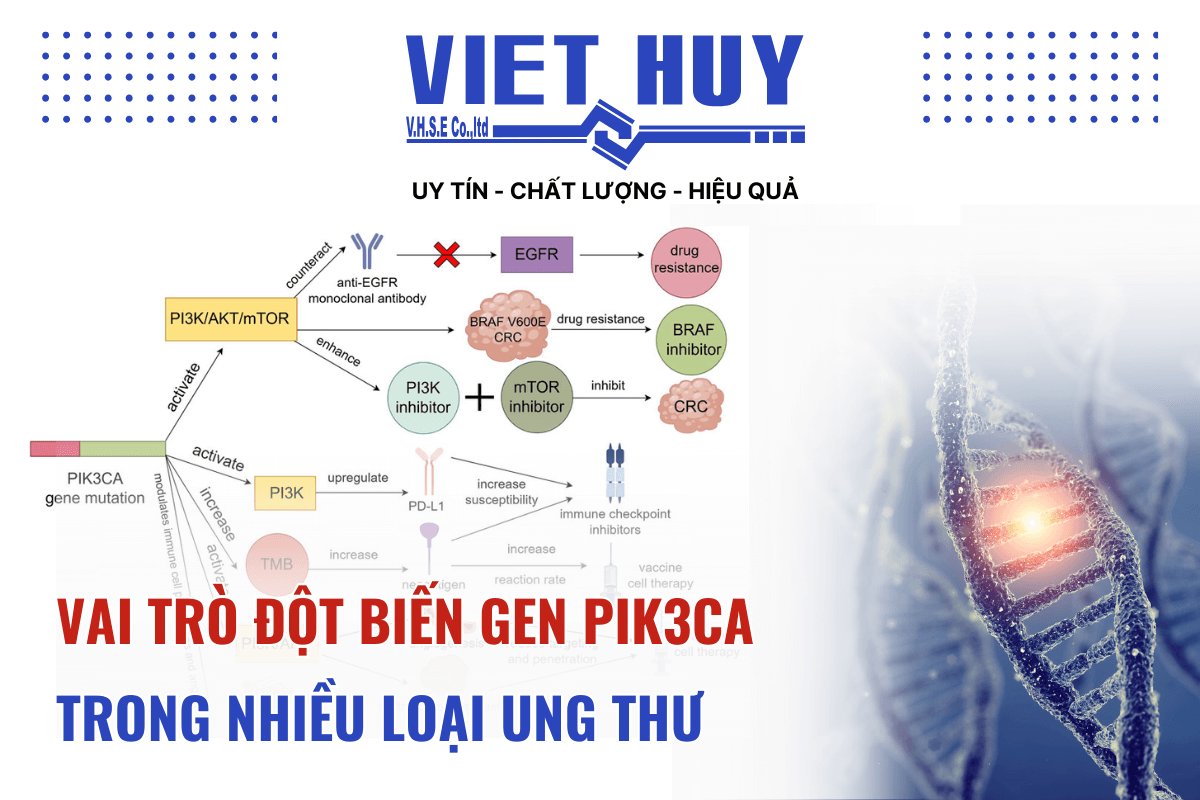
THE ROLE OF PIK3CA MUTATIONS IN VARIOUS CANCERS
PIK3CA gene mutations play an important role in many cancers, including breast, endometrial, bladder, and colorectal cancers, as well as head and neck squamous cell carcinoma. This article discusses...
Need Advice on the Right Testing Solution?
Viet Huy engineers are ready to help your laboratory choose the optimal technology.