

Introduction to Newborn Screening
Newborn screening is an important healthcare program that enables early detection of genetic diseases and inborn errors of metabolism in newborns. With timely intervention, many serious conditions can be treated effectively, giving children the chance to grow up healthy.
The History of Newborn Screening
Newborn screening is an important healthcare program that enables early detection of genetic diseases and inborn errors of metabolism in newborns. With timely intervention, many serious conditions can be treated effectively, giving children the chance to grow up healthy.
The history of newborn screening began in the 1930s with a diaper test to detect phenylketonuria (PKU). Later, the dried blood spot test on filter paper was developed, broadening the scope of screening. Since then, the list of screened diseases has been continuously expanded and screening techniques have been constantly improved.
In Vietnam, the newborn screening program was launched in 1998 and achieved nationwide coverage in 2015. The program has helped save the lives of thousands of children with dangerous genetic diseases.
Newborn screening is an important medical achievement that brings great benefits to public health. Effective implementation of the newborn screening program will help improve children's quality of life and reduce the burden on the healthcare system.
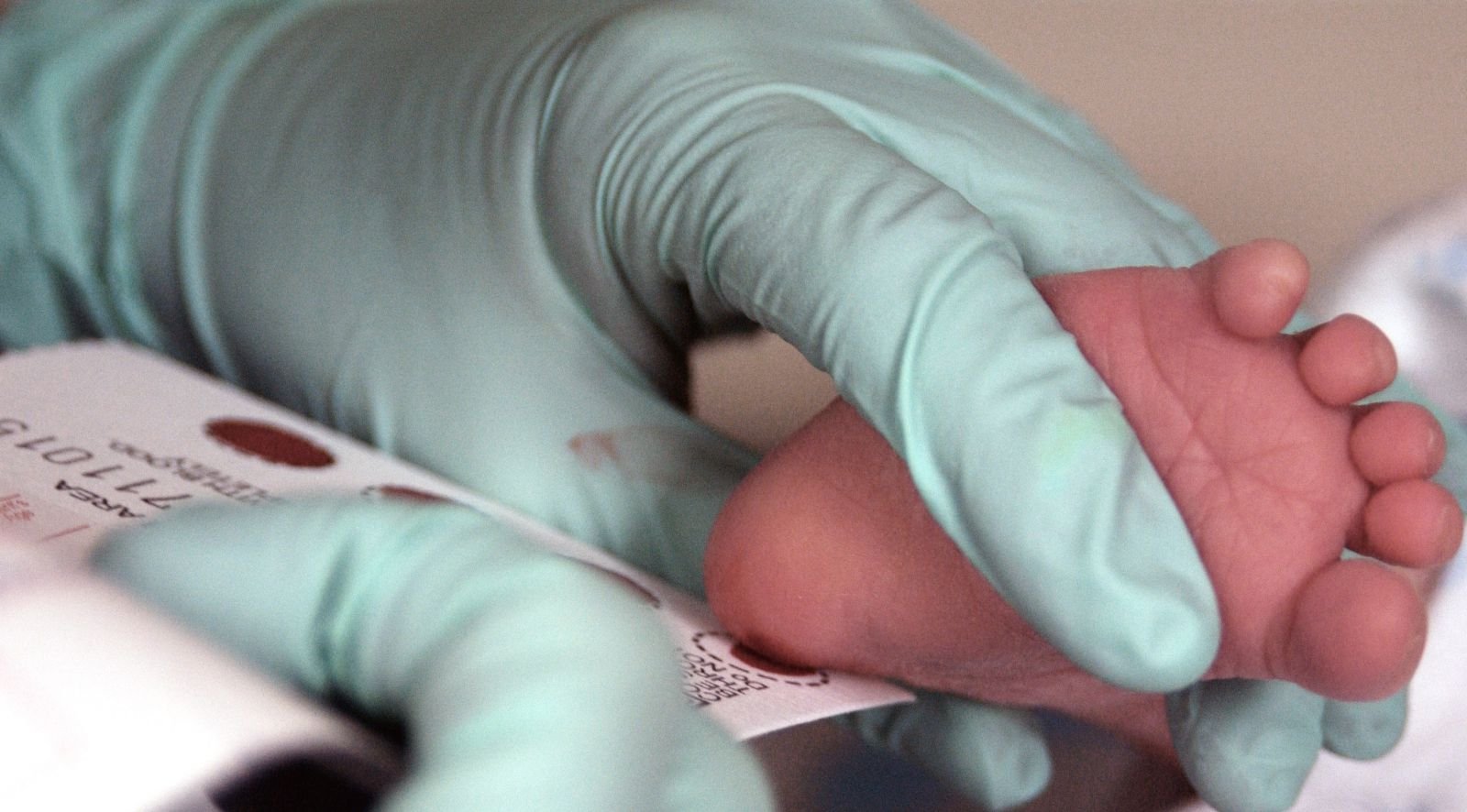
Figure 1: Heel-prick blood sample collection in a newborn
Key milestones in the history of newborn screening:
- Beginnings (1998): The newborn screening program was piloted at the Vietnam National Children's Hospital in 1998, targeting the early detection of PKU in newborns.
- Expanded scope (2000 - 2010): The program expanded to 10 provinces and cities and began additional screening for congenital hypothyroidism (CH), congenital adrenal hyperplasia (CAH), and sickle cell disease (SCD).
- Continuous development (2011 - present): Screening was added for G6PD deficiency, hemoglobin synthesis disorders, congenital immunodeficiencies, and galactosemia. The program is currently studying the addition of other genetic diseases, notably congenital spinal muscular atrophy.
- Achievements: The program has helped save the lives of thousands of children with dangerous genetic diseases, improving quality of life and raising public awareness of the importance of newborn screening.
The Newborn Screening System
Newborn screening is not simply a blood test but a comprehensive process consisting of 6 stages:
- Sample collection: A heel-prick blood sample is usually collected from the newborn within 24 to 48 hours, and up to 7 days after birth for certain special conditions.
- Screening tests: Advanced technology is used to detect genetic disorders, enzyme deficiencies, and congenital heart disease.
- Result evaluation: The results are analyzed and the disease risk is determined by a team of experienced experts.
- Diagnostic testing: If the screening result is abnormal, the infant will undergo in-depth diagnostic tests using modern equipment.
- Definitive diagnosis: A council of leading experts will make an accurate diagnosis of the disease.
Treatment and follow-up: The infant will receive an up-to-date, comprehensive treatment regimen together with appropriate care, nutrition, and rehabilitation
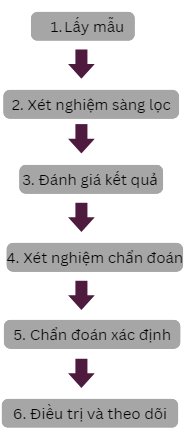
With comprehensive screening, accurate diagnosis, and effective treatment, the newborn screening system brings hope to babies with genetic diseases and gives them the chance to grow up healthy.
Key features:
- A comprehensive 6-stage procedure.
- Modern machines and equipment
- A team of leading, highly experienced experts.
- Up-to-date, effective treatment regimens.
- Appropriate care, nutrition, and rehabilitation.
Goals and Significance of Newborn Screening
The Newborn Screening Program aims to protect children's health from their very first days of life.
The Newborn Screening Program is an important public health program for the early detection of genetic diseases and inborn errors of metabolism in newborns. These are dangerous diseases that often manifest late and are difficult to detect through routine clinical examination. If not treated in time, they can lead to serious consequences such as permanent intellectual and physical disabilities, or even death.
However, the good news is that most genetic diseases and inborn errors of metabolism can be treated effectively if detected early. The Newborn Screening Program plays a vital role in giving children the chance to develop normally and healthily.
Main goals of the program:
- Detect diseases before clinical signs appear: Enables timely and effective treatment and prevents dangerous complications.
- Reduce mortality and disease complications: Improves children's quality of life.
- Improve children's quality of life: Helps children develop fully, both physically and mentally, and integrate well into the community.
Benefits of the program:
- For children: Early detection of disease and timely treatment give children the chance to develop normally and healthily.
- For families: Reduces the financial burden of treating and caring for a sick child.
- For the community: Reduces disability rates and improves the quality of human resources.
How Is the Newborn Screening Program Carried Out?
The program is carried out by collecting a heel-prick blood sample from the newborn 24-48 hours after birth. This blood sample is tested for signs of genetic diseases and inborn errors of metabolism.
Who Should Take Part in the Program?
All babies born in Vietnam are encouraged to take part in the Newborn Screening Program. Participation in the program is completely free of charge and voluntary.
Taking part in the Newborn Screening Program is an expression of parents' love and responsibility for their children. Bring your baby to take part in the program to protect your child's health from the very first days.
Diseases Screened
Summary of information on the genetic diseases:
1. Congenital hypothyroidism:
- Cause: A genetic disorder caused by thyroid hormone deficiency.
- Symptoms: Delayed mental and motor development, hearing impairment, constipation, dry skin, sparse hair, etc.
- Treatment: Lifelong thyroid hormone replacement.
2. Congenital adrenal hyperplasia:
- Cause: A genetic disorder caused by deficiency of the enzymes needed to produce adrenal hormones.
- Symptoms: Genital abnormalities (vaginal feminization in females, absent testes in males), electrolyte disturbances (salt wasting, hyperkalemia), muscle weakness, etc.
- Treatment: Adrenal hormone replacement and electrolyte monitoring.
3. G6PD deficiency:
- Cause: A genetic disorder caused by G6PD enzyme deficiency, which makes red blood cells prone to hemolysis on exposure to certain factors such as drugs, chemicals, foods, etc.
- Symptoms: Hemolytic anemia, jaundice, dark urine, etc.
- Treatment: Avoiding factors that trigger hemolysis; G6PD enzyme supplementation (in some cases)
4. Hemoglobin synthesis disorders:
- Cause: A group of genetic diseases caused by mutations in globin genes, leading to the production of abnormal hemoglobin.
- Symptoms: Hemolytic anemia, fatigue, pallor, shortness of breath, etc.
- Treatment: Depending on the disease, may include blood transfusion, bone marrow transplantation, gene therapy, etc.
5. Congenital immunodeficiencies:
- Cause: A group of genetic diseases affecting the immune system, making the body susceptible to infectious diseases.
- Symptoms: Recurrent infections, growth retardation, impaired organ function, etc.
- Treatment: Depending on the disease, may include antibiotic treatment, immunoglobulin injections, stem cell transplantation, etc.
6. Galactosemia:
- Cause: A genetic disorder caused by deficiency of an enzyme needed to metabolize the sugar galactose.
- Symptoms: Acute liver failure, vomiting, diarrhea, cataracts, etc.
- Treatment: A galactose-restricted diet and vitamin supplementation.
7. Lysosomal storage disorders:
- Cause: A group of genetic diseases caused by deficiency of the enzymes needed to break down waste substances in cells.
- Symptoms: Varied depending on the disease; may include damage to the brain, heart, muscles, bones and joints, etc.
- Treatment: Depending on the disease, may include enzyme replacement therapy, bone marrow transplantation, etc.
8. 55 inborn errors of amino acid, organic acid, and fatty acid metabolism:
- Cause: A group of genetic diseases caused by deficiency of the enzymes needed to metabolize substances such as amino acids, organic acids, and fatty acids.
- Symptoms: Varied depending on the disease; may include damage to the brain, heart, muscles, bones and joints, liver and spleen, etc.
- Treatment: Depending on the disease, may include special diets, vitamin supplementation, gene therapy, etc.
Note:
- The above information is for reference only and cannot replace a physician's diagnosis and treatment.
- If you suspect that you or your child has a genetic disease, see a doctor for advice and testing.
Newborn Screening Procedures at the Hospital
Rare genetic diseases: A persistent worry for many families
Rare genetic diseases are a group of diseases caused by gene mutations passed down from one generation to the next, affecting a small number of people in the population. These diseases carry many risks of serious health problems that directly affect patients' quality of life.
Typical examples are the 9 diseases mentioned in this article, including: Congenital hypothyroidism, Congenital adrenal hyperplasia, G6PD deficiency, Hemoglobin synthesis disorders, Congenital immunodeficiencies, Galactosemia, Lysosomal storage disorders, and 55 inborn errors of amino acid, organic acid, and fatty acid metabolism. Each disease has different manifestations and complications, requiring timely diagnosis and treatment to minimize its impact.
Early diagnosis of rare genetic diseases plays a vital role in improving patients' quality of life. If you have any concerns about your own or your family's health, consult a doctor for advice and support.
Let us join hands to raise awareness of rare genetic diseases to protect our own health and that of the community.
Source: Compiled
Related Articles
Multigene testing solution (ALK, ROS1, RET, MET) for non-small cell lung cancer (NSCLC)
Lung Cancer RNA Panel is an advanced multigene test kit that enables simultaneous detection of key mutations such as ALK, ROS1, RET, and MET in NSCLC. With an integrated quality control tool (IQCA), the kit...
HMPV: Current Situation and Control Solutions
Currently, the rising number of human metapneumovirus (HMPV) infections is causing alarm in many countries around the world. With its ability to spread widely in winter and early spring, HMPV has become a major...
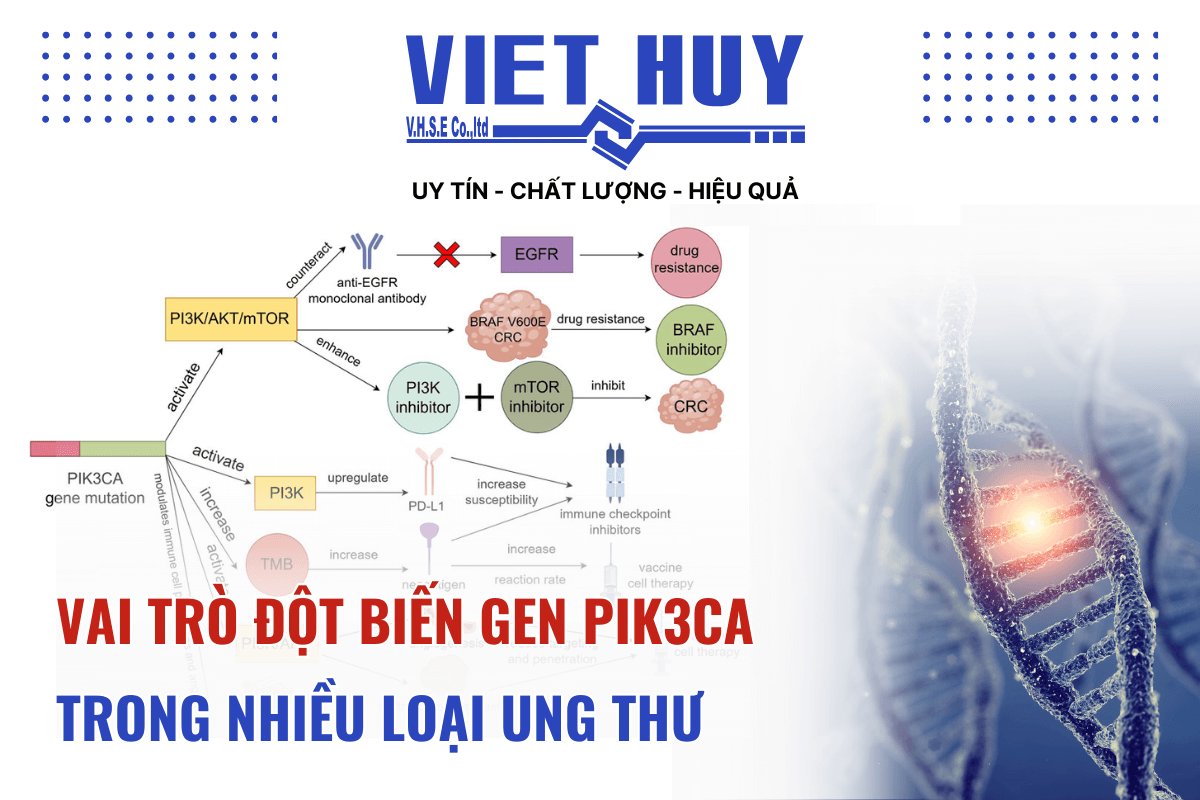
THE ROLE OF PIK3CA MUTATIONS IN VARIOUS CANCERS
PIK3CA gene mutations play an important role in many cancers, including breast, endometrial, bladder, and colorectal cancers, as well as head and neck squamous cell carcinoma. This article discusses...
Need Advice on the Right Testing Solution?
Viet Huy engineers are ready to help your laboratory choose the optimal technology.