
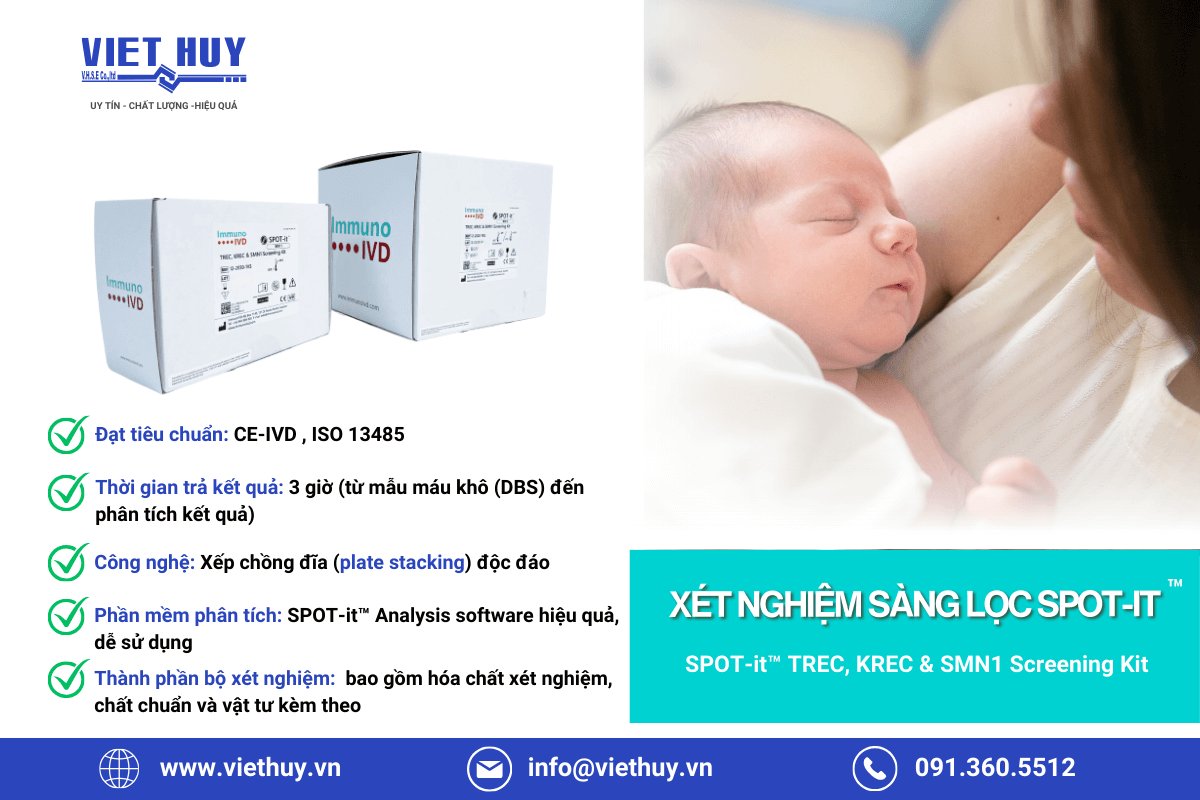
Screening Test Solution for Severe Combined Immunodeficiency (SCID)
An IVD test kit for the simultaneous screening of severe combined immunodeficiency (SCID), X-linked agammaglobulinemia (XLA), and spinal muscular atrophy (SMA) in newborns using the qPCR technique. We are the exclusive representative of ImmunoIVD in Vietnam.
Introduction to SCID
Severe combined immunodeficiency (SCID) is a group of rare disorders caused by mutations in different genes involved in the development and function of infection-fighting immune cells. Infants with SCID appear healthy at birth but are highly susceptible to severe infections. The condition can be fatal, usually within the first year or two of life, unless the infant receives immune-restoring treatment such as hematopoietic stem cell transplantation, gene therapy, or enzyme therapy. More than 80% of infants with SCID have no family history of the disease. However, the development of newborn screening tests has made it possible to detect SCID before symptoms appear, helping to ensure that affected infants receive lifesaving treatment.
According to an NIH-funded study, more than 12 genes have been linked to SCID, but in newborn screening, no genetic defect can be identified in about 15% of infants with SCID. SCID is usually inherited in an autosomal recessive pattern, in which both copies of a particular gene - one inherited from the mother and one from the father - carry defects. The best-known form of autosomal recessive SCID is caused by adenosine deaminase (ADA) deficiency, in which infants lack the ADA enzyme needed for T-cell survival.
X-linked SCID, caused by mutations on the X chromosome, primarily affects male infants. Boys with this type of SCID have white blood cells that develop and function abnormally. As a result, they have low numbers of T cells and natural killer cells, and their B cells do not function.

Figure 1: David had to live in a bubble for 12 years (he had SCID).
Symptoms of SCID
Symptoms of severe combined immunodeficiency (SCID) usually appear in infancy and include severe or life-threatening infections, especially viral infections. These infections can lead to pneumonia and chronic diarrhea. Candida (yeast) infections, as well as pneumonia caused by the fungus Pneumocystis jirovecii, are also common in children with SCID.
SCID Screening
The SCID newborn screening test developed by ImmunoIVD measures T-cell receptor excision circles (TRECs), a by-product of T-cell development. Because infants with SCID have very few or no T cells, the absence of TRECs can indicate SCID. To confirm a SCID diagnosis, physicians assess the number and types of T and B cells present and how well they function.
Research supported by NIAID and other organizations shows that early diagnosis of SCID through newborn screening leads to timely treatment and high survival rates. In 2010, SCID was added to the U.S. Department of Health and Human Services' Recommended Uniform Screening Panel for newborns. Today, all newborns in the United States are screened for SCID; in Vietnam, SCID testing is performed on newborns as part of the expanded newborn screening (NBS) program.
Below is a detailed breakdown of this process using the SPOT-it™ Screening Assay by ImmunoIVD (country of origin: Sweden), which has been adopted in newborn screening programs in many European countries thanks to its fast workflow (~3 hours) and because all reagents are packaged in ready-to-use form:
- Blood collection: A small amount of blood is taken from the newborn's heel onto filter paper shortly after birth, usually within 48-72 hours.
- T-cell level testing: the dried blood spot sample is then analyzed to measure the level of T cells, a key component of the immune system. A low T-cell count may be a warning sign of SCID.
- DNA testing (optional): In some cases, additional DNA testing may be performed on the same blood sample to look for specific genetic markers associated with different types of SCID.
- Follow-up testing: If the initial screening result suggests possible SCID, other confirmatory tests will be performed. These may include more detailed blood tests such as flow cytometry and additional genetic analysis.
Referral to a specialist: If SCID is confirmed, the infant will be referred to a pediatric immunologist or a specialist in infectious diseases for specialized treatment and management.
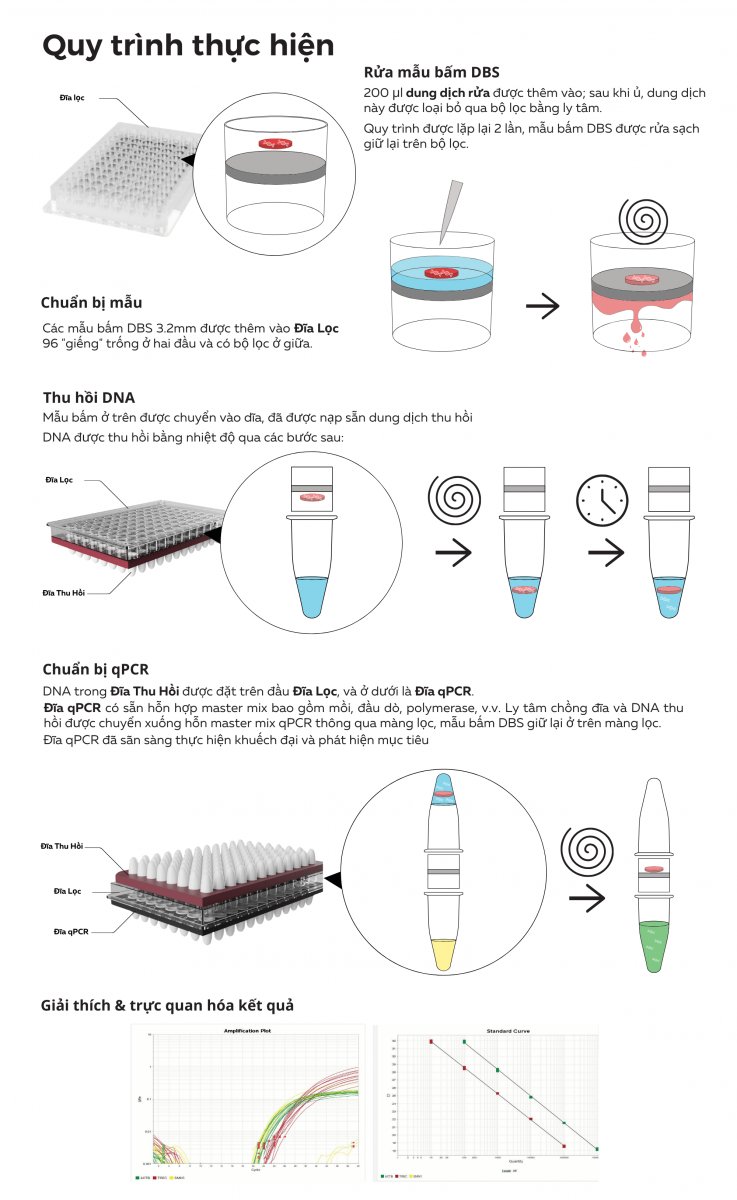
Figure 2: Testing procedures of the SPOT-it™ Screening Assay by ImmunoIVD (Sweden)
Early detection through SCID screening is critical because it allows timely intervention and treatment, significantly improving the child's prognosis.
SCID Treatment
Hematopoietic (blood-forming) stem cell transplantation is the standard treatment for infants with SCID. Ideally, infants with SCID should receive stem cells from a sibling who is a close tissue match. Bone marrow transplants from full siblings result in the best restoration of immune function, but if no matched sibling is available, infants can receive stem cells from a parent or another donor. These transplants are lifesaving but often restore immunity only partially. NIAID-supported research shows that early transplantation is critical to achieving the best outcomes for infants with SCID. Researchers analyzed data from 240 infants with SCID and found that those who received transplants before 3.5 months of age had the highest survival rates, regardless of the type of donor stem cells used.
Studies have also shown that gene therapy can be an effective treatment for some types of SCID, including X-linked SCID. In gene therapy, stem cells are taken from the patient's bone marrow, a normal gene is inserted into the stem cells using a carrier called a vector, and the corrected cells are returned to the patient. Early attempts to treat X-linked SCID with gene therapy successfully restored the children's T-cell function, but about a quarter of the children developed leukemia two to five years after treatment. Scientists suspect that the vectors used in these studies activated genes that control cell growth, contributing to the leukemia. Newer gene therapy strategies using modified vectors appear to be effective and safe. NIAID researchers are using a new gene therapy approach to successfully treat older children and young adults with X-linked SCID.
Our Solution
VIET HUY Technological Scientific Equipment Co., Ltd supplies the SPOT-it TREC, KREC & SMN1 Screening Kit from ImmunoIVD (Sweden). It is an IVD test kit for the simultaneous screening of severe combined immunodeficiency (SCID), X-linked agammaglobulinemia (XLA), and spinal muscular atrophy (SMA) in newborns using the qPCR technique. We are the exclusive representative of ImmunoIVD in Vietnam.
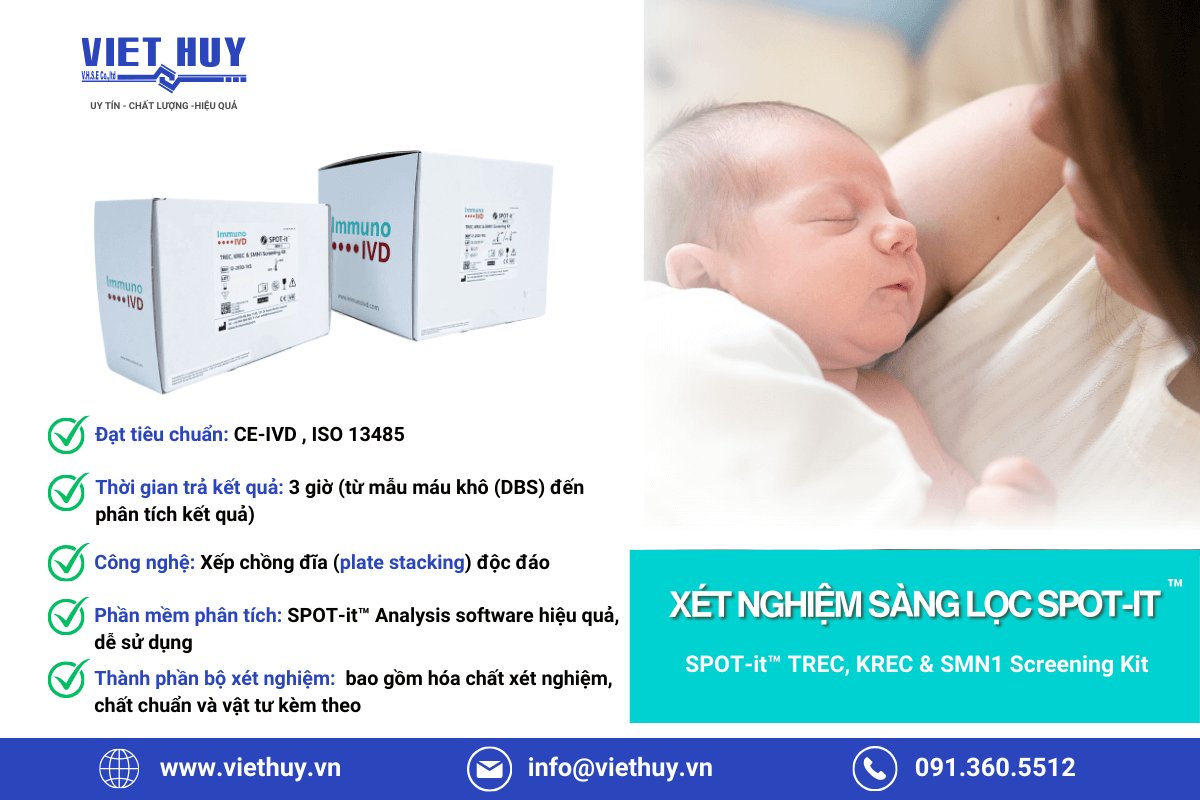
Figure 3: IVD test kit for semi-quantitative detection of TREC DNA and KREC DNA and qualitative detection of exon 7 of the SMN1 gene (SPOT-it TREC, KREC & SMN1 Screening Kit - ImmunoIVD/Sweden)
References
Severe combined Immunodeficiency (SCID). (2019, April 4). NIAID: National Institute of Allergy and Infectious Diseases. https://www.niaid.nih.gov/diseases-conditions/severe-combined-immunodeficiency-scid
Related Articles
Multigene testing solution (ALK, ROS1, RET, MET) for non-small cell lung cancer (NSCLC)
Lung Cancer RNA Panel is an advanced multigene test kit that enables simultaneous detection of key mutations such as ALK, ROS1, RET, and MET in NSCLC. With an integrated quality control tool (IQCA), the kit...
HMPV: Current Situation and Control Solutions
Currently, the rising number of human metapneumovirus (HMPV) infections is causing alarm in many countries around the world. With its ability to spread widely in winter and early spring, HMPV has become a major...
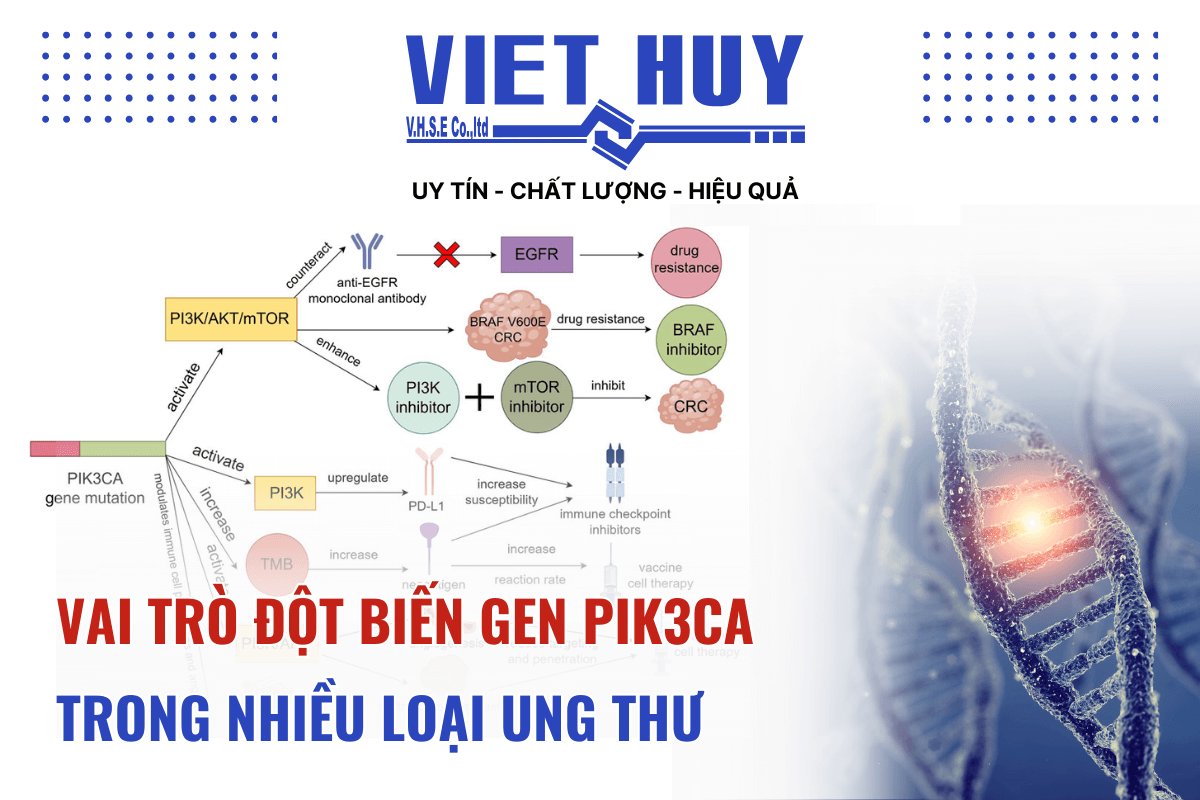
THE ROLE OF PIK3CA MUTATIONS IN VARIOUS CANCERS
PIK3CA gene mutations play an important role in many cancers, including breast, endometrial, bladder, and colorectal cancers, as well as head and neck squamous cell carcinoma. This article discusses...
Need Advice on the Right Testing Solution?
Viet Huy engineers are ready to help your laboratory choose the optimal technology.