
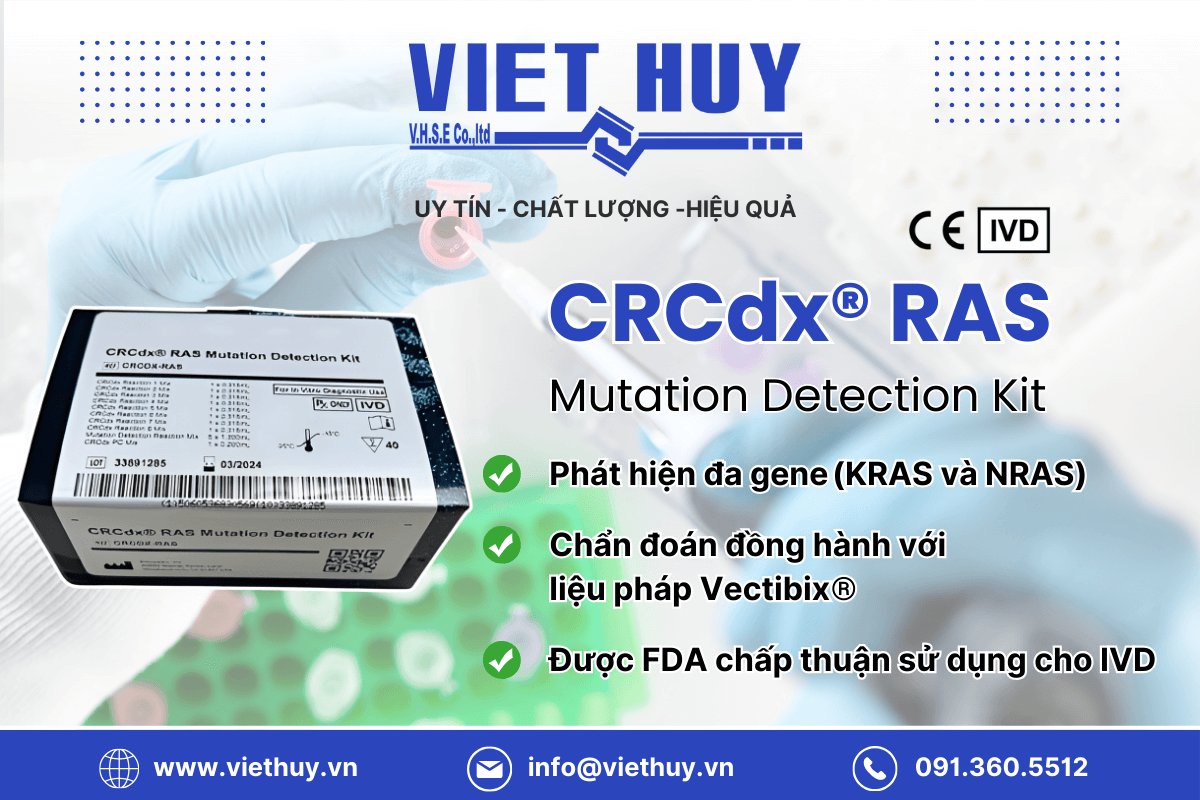
CRCdx® RAS Mutation Detection Kit: A Companion Diagnostic Solution for the Diagnosis and Treatment of Colorectal Cancer
Colorectal cancer (CRC) is one of the most common cancers worldwide and causes high mortality. Effective diagnosis and treatment play a key role in improving patient prognosis. The CRCdx® RAS Mutation Detection Kit is an advanced KRAS and NRAS gene mutation testing solution that uses Real-time PCR technology to accurately identify CRC patients eligible for treatment with Vectibix® (panitumumab). This article introduces the CRCdx® Kit, its procedure, advantages, and benefits, and its role in the diagnosis and treatment of colorectal cancer.
What Is Colorectal Cancer (CRC)?
Colorectal cancer (CRC) is a cancer that affects the colon (large intestine) or the rectum. It can cause serious harm and death. The risk of colon cancer increases with age. Common symptoms include diarrhea, constipation, blood in the stool, abdominal pain, unexplained weight loss, fatigue, and low iron levels. Many people have no symptoms in the early stages of the disease.
Risk factors for CRC include genetics, age, a low-fiber diet, being overweight, and a sedentary lifestyle1. CRC progresses from benign polyps in the early stages to more advanced stages, when cancer cells metastasize to other organs.
Colorectal Cancer - Third in Incidence and Second in Mortality!
Colorectal cancer (CRC) is one of the most common cancers worldwide, ranking third in incidence and second in mortality. According to statistics from the World Health Organization (WHO), it is estimated that in 2020 there were more than 1.9 million new cases and more than 930,000 deaths from colorectal cancer worldwide. By 2040, the burden of colorectal cancer will rise to 3.2 million new cases per year (a 63% increase) and 1.6 million deaths per year (a 73% increase)¹. In Vietnam, it is the 4th most common cancer in men, after liver, lung, and stomach cancer, and the 3rd most common in women, after breast and lung cancer. In 2020, there were more than 16,400 cases, and deaths from colorectal cancer numbered more than 82002.
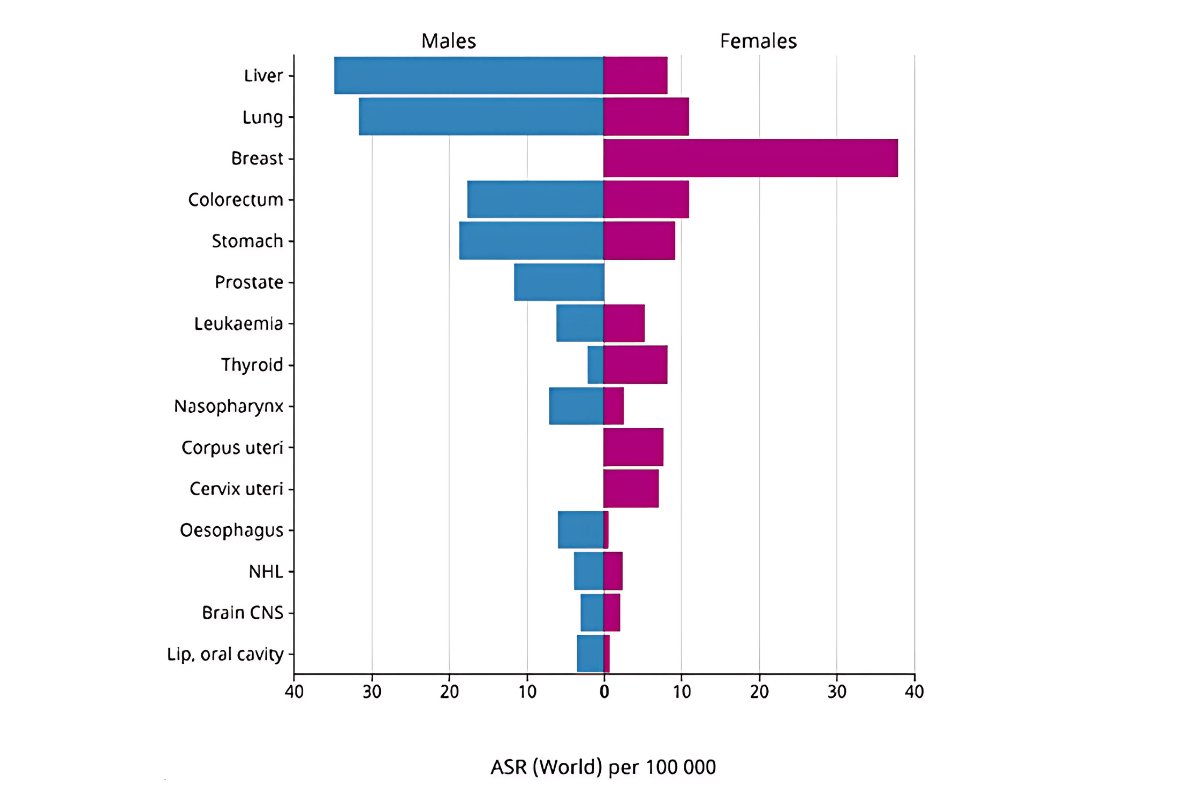
Figure 1. Age-standardized rates (ASR) per 100,000 people of the most common cancers in Vietnam in 2022,
by sex (male and female). (https://gco.iarc.who.int/today)
Current Methods for Diagnosing and Treating CRC
Diagnosis of colorectal cancer involves several stages, from clinical examination and basic tests to specialized tests. The sequence of steps usually follows the guidelines of major organizations such as the NCCN (National Comprehensive Cancer Network) and ESMO (European Society for Medical Oncology), as well as the regulations of each country, including Vietnam. The basic steps in CRC diagnosis include:
- - Clinical diagnosis based on the patient's symptoms, such as rectal bleeding, abdominal pain, etc.
- - Paraclinical investigations, including endoscopy, X-ray imaging, CT, blood biochemistry and hematology, histopathology, and genetic analysis.
The Vietnam Ministry of Health (MOH) recommends that metastatic colon cancer be tested for KRAS, NRAS, and BRAF gene mutations for prognostic purposes and for the use of targeted therapy3.
Treatments for colorectal cancer today range from surgery, chemotherapy, and radiotherapy to targeted therapies, such as the monoclonal antibody Vectibix® (panitumumab) in patients with certain genetic characteristics. However, accurately identifying gene mutations to personalize treatment is key to optimizing treatment effectiveness for patients.
KRAS and NRAS Mutations in Colorectal Cancer
KRAS and NRAS mutations have a major impact on the development and metastasis of CRC. These mutations alter signal transduction from the epidermal growth factor receptor (EGFR) to key cellular pathways, promoting cell division and proliferation4 5. Detecting KRAS and NRAS mutations helps determine whether a patient can benefit from treatment with anti-EGFR drugs such as Vectibix®.
Several studies have shown that tumors carrying any KRAS or NRAS mutation are less likely to respond to anti-EGFR antibody therapy6 7 8. The American Society of Clinical Oncology (ASCO) recently published its first Provisional Clinical Opinion (PCO), stating that all patients receiving anti-EGFR monoclonal antibody therapy should be screened for KRAS mutations9 10. In addition, the National Comprehensive Cancer Network (NCCN) has issued the following clinical practice guideline: "Patients with any known KRAS mutation (exon 2 or non-exon 2) or NRAS mutation should not be treated with either cetuximab (Erbitux) or panitumumab (Vectibix®)" 11 12. These findings clearly show that screening for both KRAS and NRAS mutations is necessary to more accurately identify patients who will not respond to anti-EGFR therapy, helping to select more effective treatments.
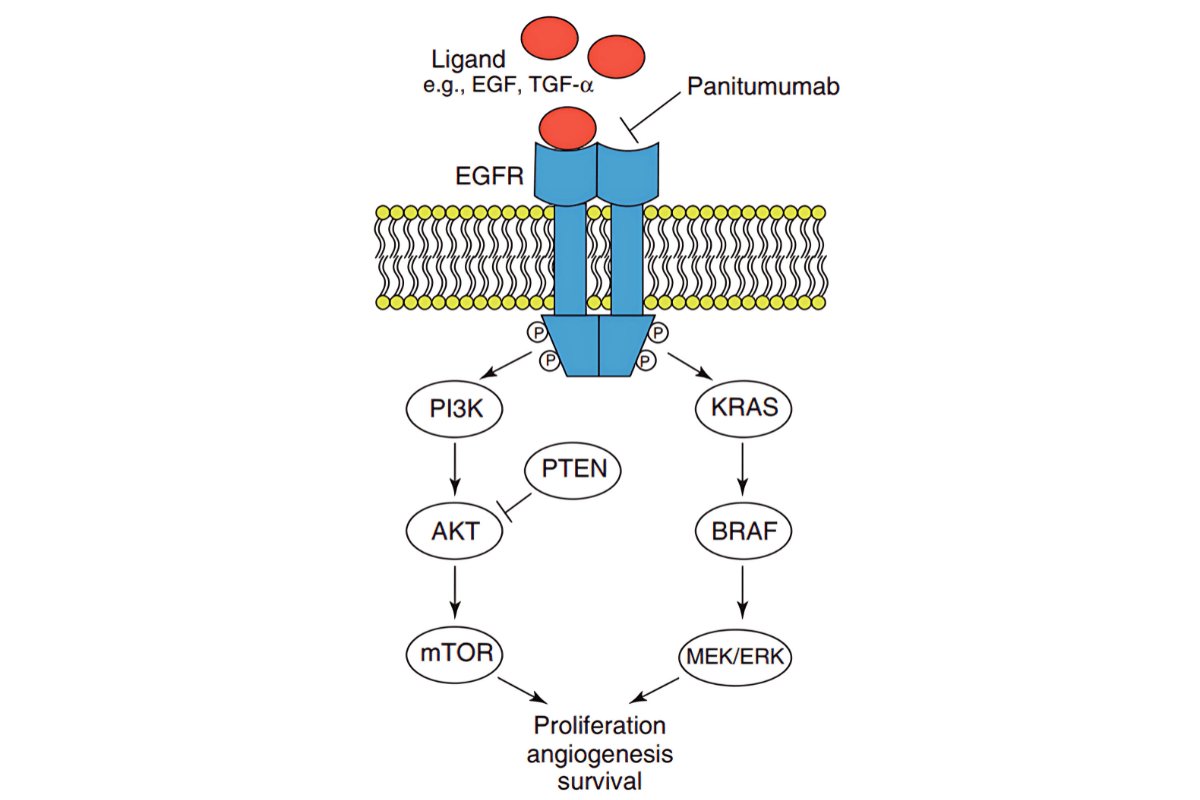
Figure 2. EGFR signaling pathway (https://doi.org/10.1002/9783527682423.ch66)
Viet Huy's Solution for Real-Time PCR Testing in Colorectal Cancer (CRC)
Introducing the Crcdx® RAS Mutation Detection Kit
CRCdx® RAS Mutation Detection Kit is an advanced in vitro diagnostic kit that uses Real-time PCR technology to detect 35 mutation variants of KRAS and NRAS in exons 2, 3, 4 in genomic DNA extracted from FFPE colorectal cancer (CRC) tissue samples. This test is used as a companion diagnostic (CDx) to aid in identifying colorectal cancer (CRC) patients who may benefit from treatment with Vectibix® (panitumumab), based on a no-mutation-detected test result, in accordance with the approved therapeutic product labeling.
Detectable mutation types include common amino acid changes such as G12D, G13D, Q61H, and A146T, as well as other changes in the KRAS and NRAS genes, providing a comprehensive view of the RAS mutation status of CRC patients. The CRCdx® Kit uses the QuantStudioTM Dx Real-time PCR instrument with EPAS™ analysis software to process results automatically, minimizing errors in data analysis.
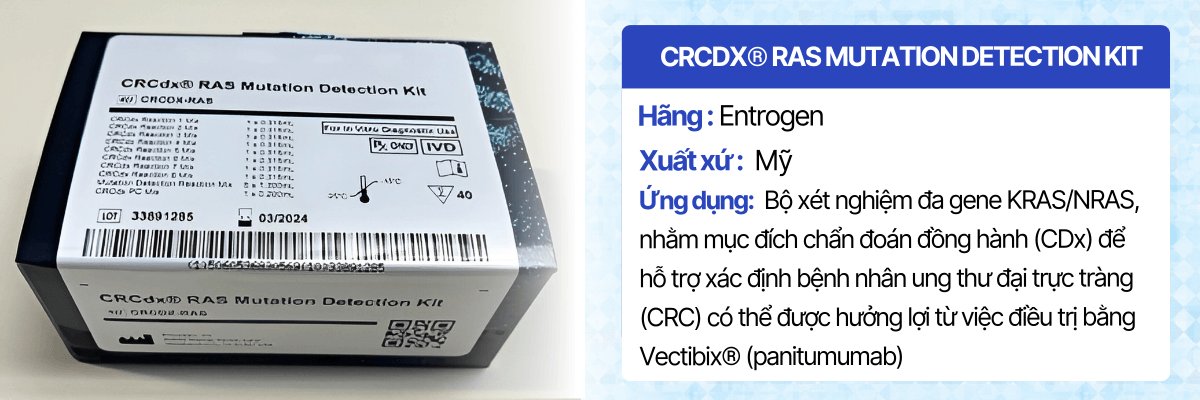
Figure 3. KRAS/NRAS multigene companion diagnostic test kit for Vectibix® (CRCdx RAS Mutation Detection Kit)
Test Procedure of the CRCdx® RAS Mutation Detection Kit
The test procedure of the CRCdx® RAS Mutation Detection Kit consists of three (3) simple steps:
- 1. DNA isolation from FFPE CRC tissue samples
- 2. Real time PCR on the ThermoFisher Scientific QuantStudio® Dx instrument
- 3. Data analysis and interpretation with the EntroGen PCR Analysis Software (EPAS™ 2.0)
Advantages of the CRCdx® RAS Mutation Detection Kit
- 1. High accuracy: FDA-approved14, with clinical study evidence demonstrating better sensitivity than NGS, ensuring effectiveness and reliability in clinical applications.
- 2. Fast and simple workflow: A standardized, easy-to-perform procedure that takes only 90 minutes from PCR reaction setup to results.
- 3. Multigene detection: Detects 35 variants in 8 reactions.
- 4. Automated result analysis: Includes automated result analysis software that saves time and increases work efficiency.
Benefits of Using the CRCdx® RAS Mutation Detection Kit
- 1. Identifying patients suitable for Vectibix®: The kit quickly identifies patients with or without RAS mutations, supporting more effective treatment decisions.
- 2. Reduced treatment costs: Early and accurate detection of mutation status allows treatment to be personalized and ineffective therapies to be avoided, thereby minimizing treatment costs.
- 3. Improved patient survival: With targeted therapy based on mutation status, patients have a higher chance of survival and a better quality of life.
Conclusion
The CRCdx® RAS Mutation Detection Kit offers an advanced, effective, and rapid solution for detecting RAS mutations, supporting accurate treatment decisions for colorectal cancer patients. It is not only a companion diagnostic test but also an important tool for personalizing therapy, optimizing patient outcomes, and minimizing healthcare costs.
For more detailed information and advice on implementing the CRCdx® RAS Mutation Detection Kit, please contact us via our website or hotline.
References
1. World Health Organization. (2023). Colorectal Cancer. Retrieved from https://www.who.int
3. Guidelines for the diagnosis and treatment of colorectal cancer, 2549/QD-BYT [In Vietnamese]
4. Baldus, S.E., Et Al. Prevalence and Heterogeneity Of KRAS, Braf, And Pik3ca Mutations in Primary Colorectal Adenocarcinomas and Their Corresponding Metastases. Clin Cancer Res 16, 790-799
5. Cicenas, J., et al. (2017) KRAS, NRAS and BRAF mutations in colorectal cancer and melanoma. Med Oncol 34, 26.
6. Andreyev, H.J., Et Al. (2001) Kirsten Ras Mutations in Patients with Colorectal Cancer: The 'Rascal Ii' Study. Br J Cancer 85, 692-696
7. Esteller, M., Et Al. (2001) K-Ras and P16 Aberrations Confer Poor Prognosis in Human
Colorectal Cancer. J Clin Oncol 19, 299-304
8. Douillard, Jy. Et Al. (2013) Panitumumab-Folfox4 Treatment and Ras Mutations in Colorectal Cancer. N Engl J Med 369, 1023-1034
9. Allegra, C.J., Et Al. (2009) American Society of Clinical Oncology Provisional Clinical Opinion: Testing For KRAS Gene Mutations In Patients With Metastatic Colorectal Carcinoma To Predict Response To Anti-Epidermal Growth Factor Receptor Monoclonal Antibody Therapy. J Clin Oncol 27, 2091-2096
10. Morton, R. F. & Hammond, E. H. ASCO Provisional Clinical Opinion: KRAS, Cetuximab, and Panitumumab - Clinical Implications in Colorectal Cancer. J. Oncol. Pract. 5, 71-72 (2009).
11. NCCN Guideline for Colon Cancer Version 2.2015 http://www.nccn.org/professionals/
physician_gls/pdf/colon.pdf
12. Bardelli, A., & Siena, S. (2010). Molecular Mechanisms of Resistance To Cetuximab And
Panitumumab In Colorectal Cancer. Journal Of Clinical Oncology, 28(7), 1254-1261
13. Home. (n.d.). https://www.vectibix.com/
14. Center for Devices and Radiological Health. (2024, May 22). CRCDX® RAS Mutation Detection Kit - P220005. U.S. Food And Drug Administration.
Related Articles

Multigene testing solution (ALK, ROS1, RET, MET) for non-small cell lung cancer (NSCLC)
Lung Cancer RNA Panel is an advanced multigene test kit that enables simultaneous detection of key mutations such as ALK, ROS1, RET, and MET in NSCLC. With an integrated quality control tool (IQCA), the kit...

HMPV: Current Situation and Control Solutions
Currently, the rising number of human metapneumovirus (HMPV) infections is causing alarm in many countries around the world. With its ability to spread widely in winter and early spring, HMPV has become a major...
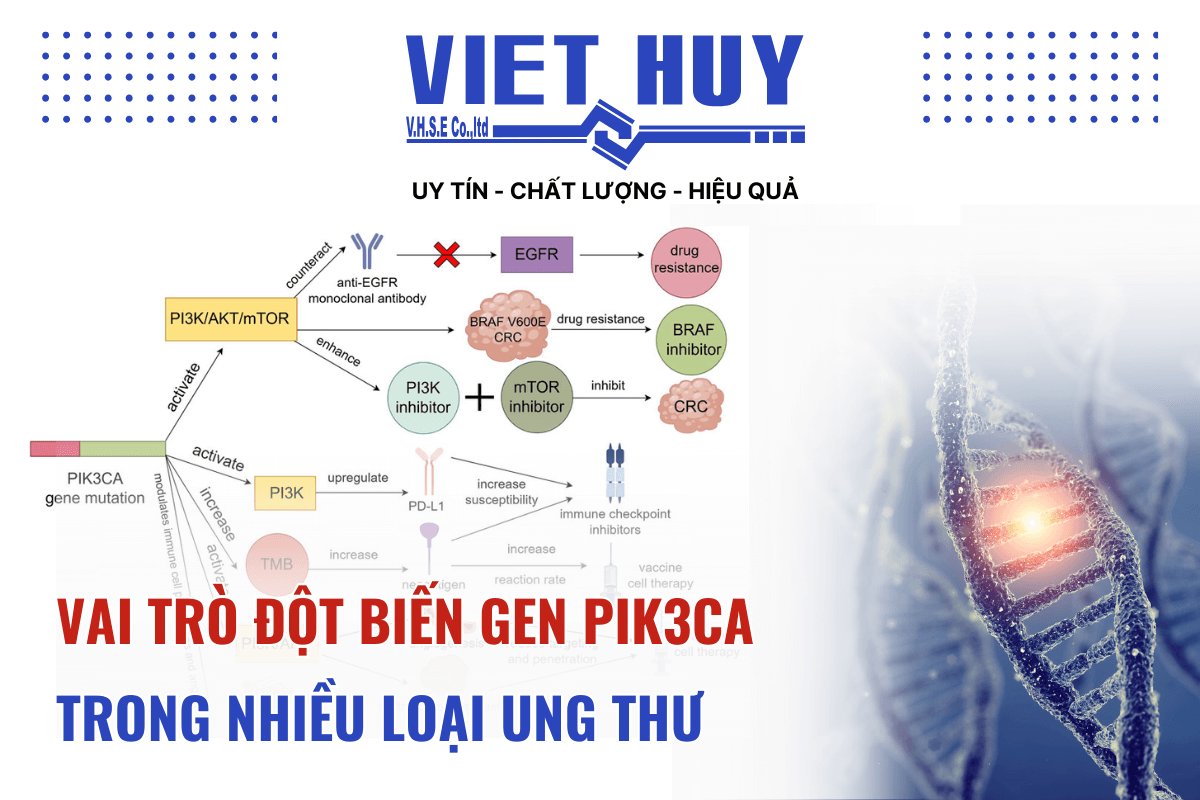
THE ROLE OF PIK3CA MUTATIONS IN VARIOUS CANCERS
PIK3CA gene mutations play an important role in many cancers, including breast, endometrial, bladder, and colorectal cancers, as well as head and neck squamous cell carcinoma. This article discusses...
Need Advice on the Right Testing Solution?
Viet Huy engineers are ready to help your laboratory choose the optimal technology.