
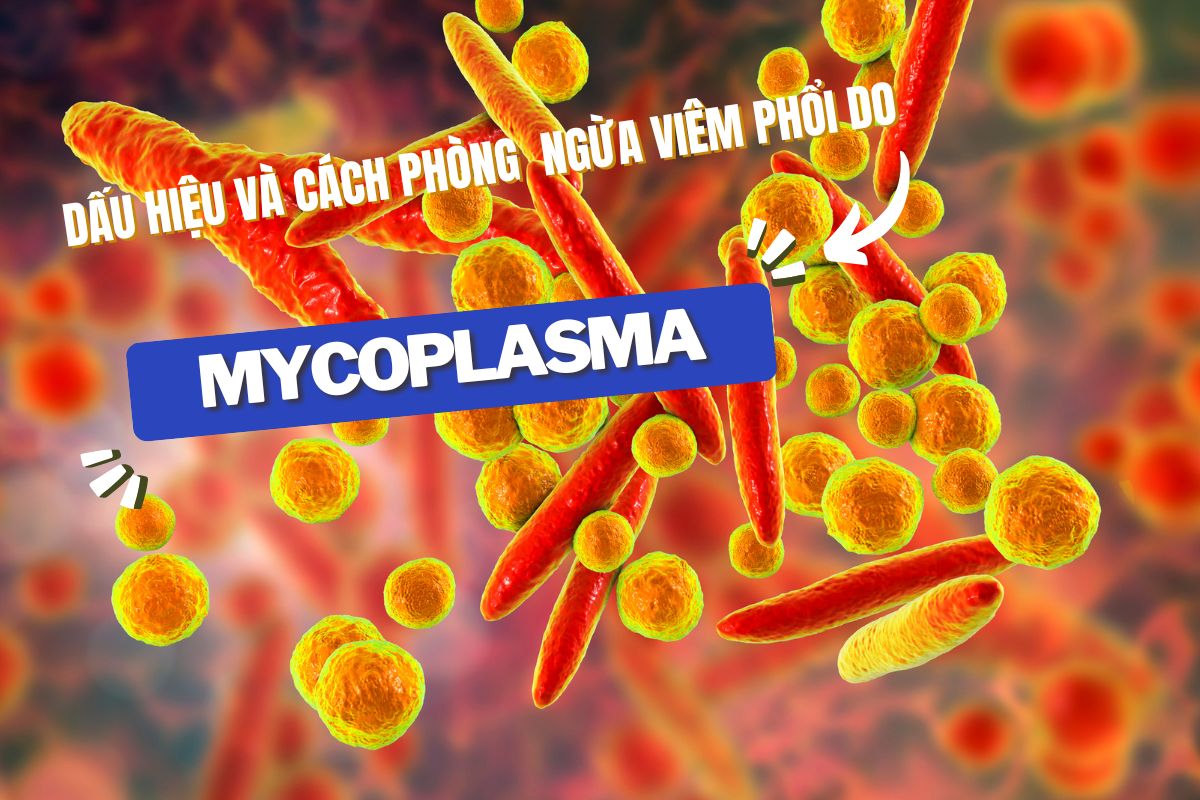
Mycoplasma pneumonia: Signs and prevention
What Are the Mycoplasma Bacteria That Cause Pneumonia?
Mycoplasma is an atypical bacterium with an incomplete cell structure: it has no cell wall, has a cytoplasmic membrane, and has a small genome of fewer than 1000 genes; it is very small, 1-2 µm long and 0.1-0.2 µm wide. Atypical bacteria account for 20-30% of community-acquired bacterial pneumonia cases; they are intracellular parasitic bacteria that, because of their very small size and minimal cell structure, cannot be seen under a conventional microscope and cannot be visualized by staining.
Mycoplasma usually resides in the oropharyngeal mucosa and the human genital tract, and it multiplies and causes disease under favorable conditions. The disease often breaks out in small-scale outbreaks in places such as schools, classrooms, and offices, commonly in late spring and early summer or from late summer into autumn.
The disease is transmitted through bacteria-containing droplets when an infected person coughs or sneezes. The age groups most commonly affected are young adults and children aged 6-10 years. However, the number of children < 5 years old with Mycoplasma pneumonia has recently been increasing.
What Are the Symptoms of Mycoplasma Pneumonia?
People with Mycoplasma pneumonia usually have an incubation period of 2-3 weeks. The disease has a gradual onset with the following manifestations:
- Upper respiratory tract infection
- Fatigue
- Headache
- Runny nose
- Fever that is not very high
- Increasingly frequent coughing that lasts up to 2-3 weeks
- Chills
- Some cases have vomiting, diarrhea, skin rash, and conjunctivitis, with little change in general condition. Lung auscultation may reveal bronchial and alveolar rales. Some adult cases experience flare-ups of bronchial asthma attacks.
Diagnosis of Mycoplasma Pneumonia
Pneumonia is diagnosed as caused by Mycoplasma bacteria when:
- Blood tests: The white blood cell count is usually not elevated; CRP is slightly elevated.
- X-rays reveal some nodular lesions and opacities in the lungs.
- Mycoplasma culture gives results after 5-7 days.
- PCR testing of nasopharyngeal fluid or bronchial fluid is positive for Mycoplasma, or specific IgG and IgM antibodies are positive for Mycoplasma, or antibody titers rise after 2 weeks, with IgM increasing 2-fold and IgG increasing 4-fold.
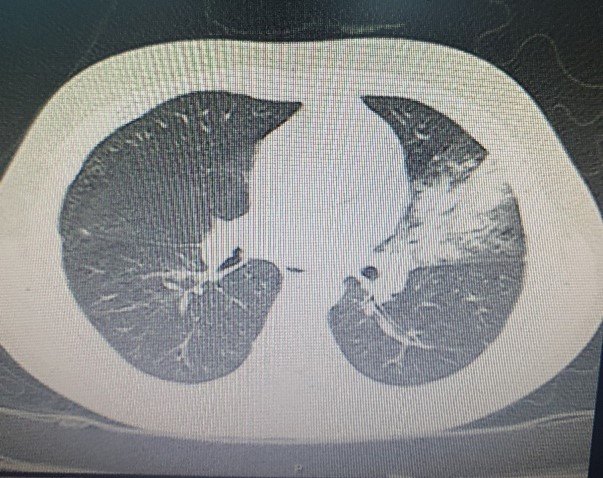
Mycoplasma pneumonia with pneumococcal co-infection on a chest CT scan.
Patients with Mycoplasma pneumonia admitted for inpatient treatment, especially children < 5 years old, need to be assessed for disease severity when any of the following signs are present:
- Respiratory failure requiring mechanical ventilation
- Septic shock, altered consciousness, rapid breathing with chest indrawing, hypotension
- Pleural effusion
Treatment of Mycoplasma Pneumonia
The principles of treating Mycoplasma pneumonia are:
- Airway clearance, oxygen therapy, and mechanical ventilation if needed
- Fever reduction and adequate fluid replacement
- Choose appropriate antibiotics, preferably those that act on bacterial protein synthesis. First-line choices are the macrolide, quinolone, and doxycycline antibiotic groups.
Mycoplasma has a high capacity for drug resistance because its small genome results in poor repair, so a single gene mutation can cause drug resistance.
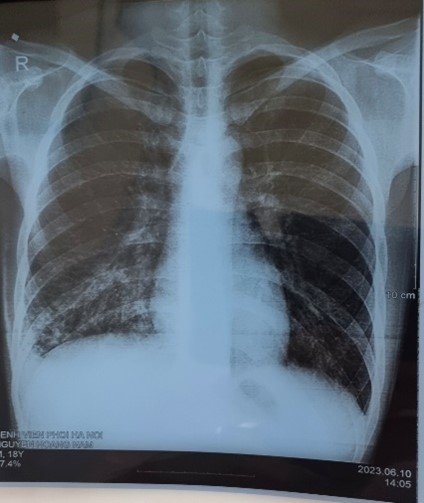
Lung lesions caused by Mycoplasma on a frontal chest X-ray.
Some Notes on Treating Mycoplasma Pneumonia
- Corticosteroids should be used in cases of severe, complicated, or treatment-refractory Mycoplasma pneumonia.
- Monitor treatment response: If clinical symptoms do not improve after 72 hours of appropriate antibiotics, and blood tests and lung X-ray lesions worsen, co-infection with other bacteria or antibiotic resistance should be considered.
Care and Prevention of Mycoplasma Pneumonia
The transition between seasons, with erratic weather changes, creates favorable conditions for Mycoplasma bacteria to flare up and cause disease. People with Mycoplasma pneumonia should note the following:
- Avoid exposure to smoke and dust, especially cigarette smoke, and cold air, which trigger coughing fits.
- Choose soft, liquid, nutrient-rich foods. Stay adequately hydrated by mouth and drink warm water.
To reduce the risk of Mycoplasma pneumonia, people should:
- Wash their hands regularly with antiseptic solution or antibacterial soap.
- Wear a face mask when in contact with sick people.
Shared by Dr. Nguyen Van Hong
Related Articles
FDA Approves Zidesamtinib (Jideytro) for ROS1+ Lung Cancer
The FDA has officially approved Zidesamtinib (Jideytro) for patients with ROS1+ non-small cell lung cancer previously treated with a TKI. Learn about its clinical efficacy now.
Read moreVIET HUY NEW YEAR KICKOFF 2026: RECHARGED AND READY FOR A BREAKTHROUGH 2026
Summary of the 2026 New Year kickoff article by VIET HUY Technological Scientific Equipment Co., Ltd: Event: The Viet Huy team officially returned to work after the Tet holiday with traditional activities such as exchanging New Year wishes, handshakes, and giving lucky red envelopes. Goals for 2026: Improve the quality of services and technical solutions. Accelerate innovation and creativity in scientific & biomedical equipment. Increase sustainable value for partners and customers. Message: A spirit of unity, a determination to break through, and a drive for success in the new year's projects. Contact information: Head office in Ho Chi Minh City, representative offices in Hanoi and Da Nang, and Hotline: 0913 605 512.
Read more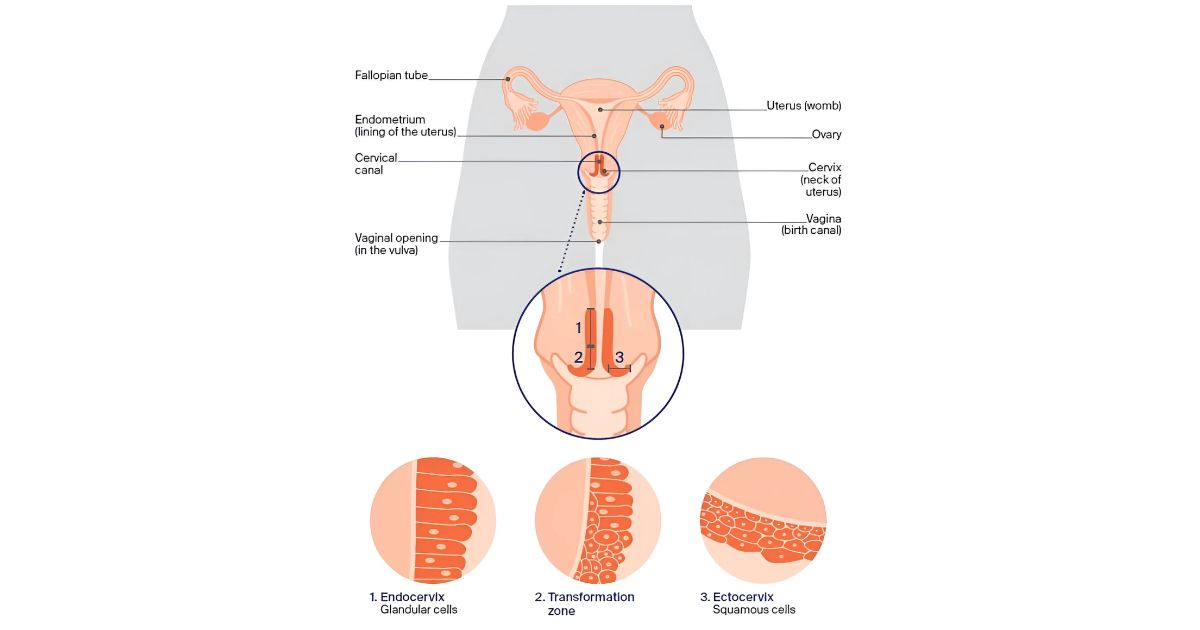
CERVICAL CANCER SCREENING - THE ROLE OF HPV TESTING
Cervical cancer is a dangerous and common disease in women. However, it can be effectively prevented through screening and HPV vaccination
Read moreNeed help choosing the right testing solution?
Viet Huy engineers are ready to help your laboratory choose the optimal technology.