

FDA Approves Zidesamtinib (Jideytro) for ROS1+ Lung Cancer
Zidesamtinib, ROS1 Lung Cancer, Jideytro: FDA Approval
The U.S. Food and Drug Administration (FDA) has officially approved Zidesamtinib (brand name Jideytro) for the treatment of adults with ROS1-positive lung cancer, specifically locally advanced or metastatic non-small cell lung cancer (NSCLC) harboring ROS1 gene rearrangements (ROS1+), who have previously received at least one ROS1 tyrosine kinase inhibitor (ROS1 TKI).
This approval provides a new treatment option for patients with ROS1 lung cancer whose disease has progressed following previous ROS1 TKI treatment, including those with central nervous system (CNS) metastases.
Zidesamtinib (Jideytro) at a Glance
Active ingredient: Zidesamtinib (Research code: NVL-520)
Trade name: Jideytro
Developer: Nuvalent, Inc.
Indication: Adult patients with locally advanced or metastatic ROS1-positive NSCLC who have previously received at least one ROS1 TKI.
Basis for approval: Results from the Phase 1/2 ARROS-1 clinical trial (NCT05118789).
Why Is Zidesamtinib Noteworthy?
A next-generation, ROS1-selective tyrosine kinase inhibitor specifically designed to target ROS1.
Maintains activity against multiple ROS1 resistance mutations.
Demonstrates activity in the central nervous system (CNS), including intracranial responses in patients with measurable brain lesions.
Its TRK-sparing design is intended to minimize off-target TRK inhibition, which has been associated with neurological adverse effects with some ROS1 inhibitors.
Clinical Efficacy from the ARROS-1 Trial
The FDA approval was based on data from the open-label, multicenter ARROS-1 clinical trial. The primary efficacy endpoint was objective response rate (ORR) according to RECIST v1.1.
Overall Response Rate and Durability of Response
Among a total of 117 patients included in the efficacy analysis:
Objective response rate (ORR): 44% (95% CI: 34%–53%).
Complete response rate (CR): 0.9%.
Duration of response (DOR): The proportions of patients maintaining a response at 6 months and 12 months were 82% and 69%, respectively.
Efficacy by Number of Prior TKI Lines of Therapy
Received 1 prior ROS1 TKI (n = 59): ORR was 49% (95% CI: 36%–63%).
Received 2 or more prior ROS1 TKIs (n = 58): ORR was 38% (95% CI: 26%–52%).
Activity Against Brain Metastases and ROS1 Resistance Mutations
One of the major challenges in treating ROS1 lung cancer is the development of brain metastases and resistance mutations following TKI treatment. Zidesamtinib has demonstrated activity in these patient populations.
CNS activity: Among patients with RECIST-measurable brain lesions who had not received radiotherapy within 2 months before assessment (n = 50), the intracranial ORR was 48%, with 22% of patients achieving a complete response (CR) in the brain.
Activity in patients with ROS1 resistance mutations: Responses were observed in 21 of 42 patients (50%) with ROS1 resistance mutations.
“The responses observed in the ARROS-1 trial, even in patients who had received multiple prior lines of therapy, represent a truly meaningful advance for the ROS1+ lung cancer patient community.”
— Alexander Drilon, MD, Chief of the Early Drug Development Service, Memorial Sloan Kettering Cancer Center, USA.
Safety Profile and Tolerability of Zidesamtinib
Safety data were evaluated in 446 patients. In patients with ROS1-positive NSCLC, reported adverse reactions included:
Serious adverse reactions: 22%.
Permanent treatment discontinuation due to adverse reactions: 2.3%.
Fatal adverse reactions: 2.3%.
The Most Common Adverse Reactions Include:
Edema: 38%
Peripheral neuropathy: 25%
Constipation: 17%
Clinical Significance for Patients with ROS1-Positive Lung Cancer
The availability of Zidesamtinib (Jideytro) provides an additional treatment option for adults with ROS1-positive NSCLC whose disease has progressed following prior ROS1 TKI treatment.
Its observed systemic and intracranial activity, including responses in patients with ROS1 resistance mutations, may be relevant for patients whose disease progresses following prior ROS1-targeted therapies. Overall survival (OS) data continue to be evaluated.
Source: U.S. Food and Drug Administration (FDA), FDA approves zidesamtinib for ROS1-positive non-small cell lung cancer, July 22, 2026.
SEO Settings
SEO Title:
Zidesamtinib, ROS1 Lung Cancer, Jideytro: FDA Approval
Meta Description:
Learn about Zidesamtinib (Jideytro) for ROS1 lung cancer, including FDA approval, efficacy, CNS activity, and safety.
URL Slug:fda-approval-zidesamtinib-jideytro-ros1-lung-cancer
Primary Keyword:
Zidesamtinib
Secondary Keywords:
ROS1 lung cancer · Jideytro · ROS1-positive NSCLC · ROS1 TKI · Zidesamtinib FDA approval
Related Articles
VIET HUY NEW YEAR KICKOFF 2026: RECHARGED AND READY FOR A BREAKTHROUGH 2026
Summary of the 2026 New Year kickoff article by VIET HUY Technological Scientific Equipment Co., Ltd: Event: The Viet Huy team officially returned to work after the Tet holiday with traditional activities such as exchanging New Year wishes, handshakes, and giving lucky red envelopes. Goals for 2026: Improve the quality of services and technical solutions. Accelerate innovation and creativity in scientific & biomedical equipment. Increase sustainable value for partners and customers. Message: A spirit of unity, a determination to break through, and a drive for success in the new year's projects. Contact information: Head office in Ho Chi Minh City, representative offices in Hanoi and Da Nang, and Hotline: 0913 605 512.
Read more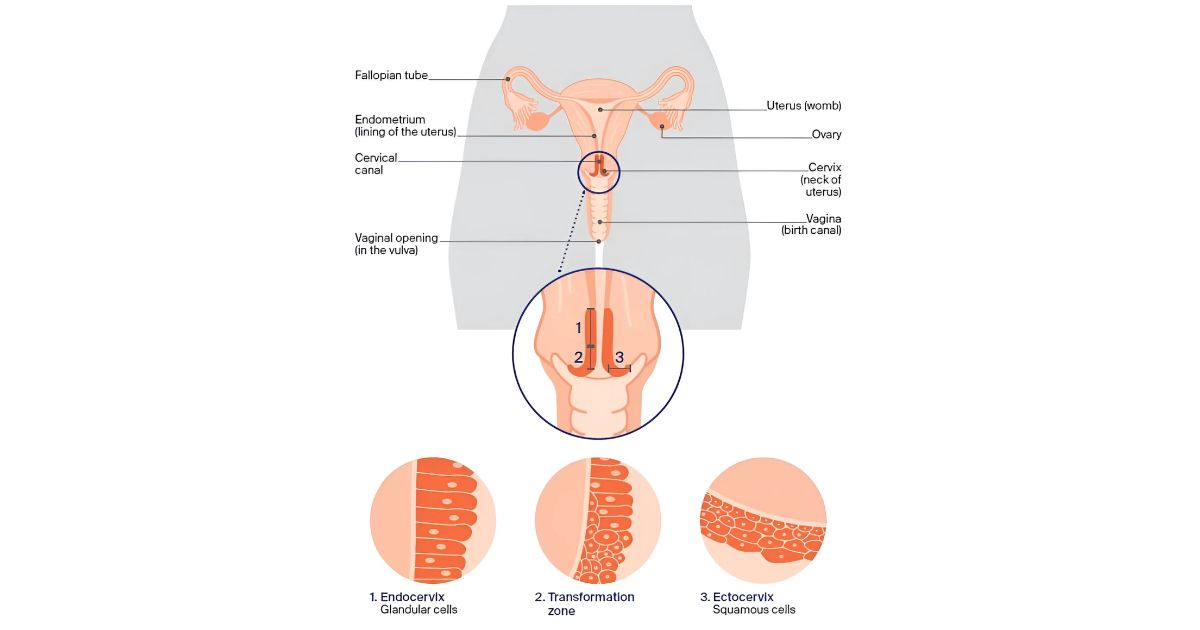
CERVICAL CANCER SCREENING - THE ROLE OF HPV TESTING
Cervical cancer is a dangerous and common disease in women. However, it can be effectively prevented through screening and HPV vaccination
Read more
Introduction to Newborn Screening
Newborn screening is an important healthcare program that enables early detection of genetic diseases and congenital metabolic disorders in newborns. With timely intervention, many serious conditions can
Read moreNeed help choosing the right testing solution?
Viet Huy engineers are ready to help your laboratory choose the optimal technology.