
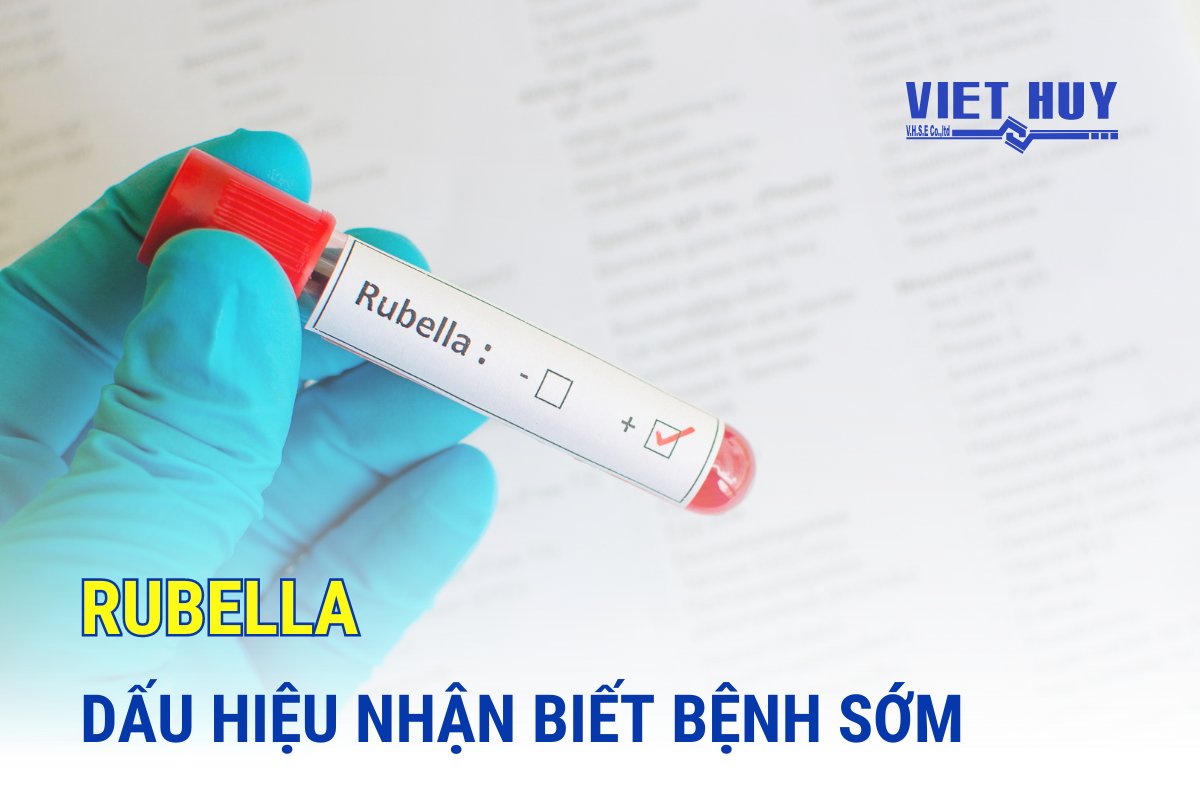
Rubella: Early signs and prevention
Causes of Rubella
Rubella virus is regarded as a paramyxovirus on an epidemiological basis because it is transmitted through the respiratory mucosa. Rubella virus has only one hemagglutinating antigen type, located in the surface spikes.
In susceptible individuals:
The virus is transmitted via saliva droplets containing rubella virus that enter the nasopharynx, replicates in the respiratory tract, and spreads through the bloodstream. Viremia is detected for 8 days beforehand and persists for 2 days after the rash appears. Viral shedding from the oropharynx persists for 8 days after symptom onset.
Congenital rubella:
Caused by transplacental transmission from an infected mother to the fetus. The virus can persist in the fetus during pregnancy and may be shed for 6-31 months after birth.
Rubella is a cause of birth defects. According to many studies: 80% of babies have congenital rubella if the mother is infected during the first 12 weeks of pregnancy. About 54% of babies have congenital rubella if the mother is infected at 13-14 weeks of gestation. About 25% of babies have congenital rubella when infection occurs at the end of the second trimester (weeks 13 to 26).
Early Recognition of Rubella
There are two forms: acquired rubella and congenital rubella syndrome.
Acquired rubella
The virus infects humans through the mucosa of the upper respiratory tract and replicates in the respiratory epithelium and the epithelium of the cervical lymph nodes. The incubation period is 16-18 days, with fatigue, mild fever, and a measles-like rash appearing at the same time. Characteristically, there are suboccipital and postauricular lymph nodes. The rash rarely lasts more than 3 days.
Adults, especially women, often experience transient muscle pain and arthritis caused by antigen-antibody complexes. Complications such as thrombocytopenic purpura and encephalitis are rare.
Congenital Rubella Syndrome (CRS)
It is the consequence of rubella infection in the womb transmitted through the placenta. Newborns have a rash at birth or within 48 hours after birth, along with hepatosplenomegaly and jaundice. The hemorrhagic form due to thrombocytopenia accounts for about 1/3000 cases. Nosebleeds, gastrointestinal bleeding, and umbilical bleeding may occur in newborns.
Course of rubella: 3 stages
- Incubation period: 12-23 days after exposure to the source of infection. The patient is infected with the virus but has no symptoms yet.
- Symptomatic period: there are 3 main manifestations: fever, rash, and swollen lymph nodes.
- Mild fever of 38°C, headache, fatigue, sore throat, clear runny nose, and sometimes red eyes, usually present for 1-4 days. The fever subsides after the rash appears.
- The patient develops swollen lymph nodes in the occipital, inguinal, and cervical regions that are slightly tender to the touch. The lymph nodes usually swell before the rash and persist for a few days after the rash has faded.
- Rash: This is the sign that draws people's attention. The rash first appears on the head and face, then spreads over the whole body, usually without the sequential pattern seen in measles. The spots are round or oval, about 1-2 mm in diameter, and may merge into patches or remain separate. Within 24 hours, the rash covers the whole body.
- Joint pain: As the disease recedes, the fever usually resolves, the rash fades quickly in no particular order without leaving marks on the skin, and the lymph nodes return to normal later, usually after 1 week.
- Recovery period: Symptoms last 3-4 days and then resolve on their own. Joint pain may last longer.
Rubella Prevention
The most effective measure is vaccination. Children receive one dose of vaccine after 15 months of age, with the second dose given about 6-10 months after the first or at 4-6 years of age.
For women of childbearing age who are preparing for or wish to have children, vaccination should be given about 3-4 months before a planned pregnancy.
Note: Rubella vaccination is contraindicated during pregnancy because it is a live attenuated vaccine that can transmit the disease to the fetus.
Pregnant women who have not been vaccinated against rubella should avoid contact with people who have or are suspected of having rubella, especially during the first 16 weeks of pregnancy. If business or leisure travel is necessary, trips to places with ongoing rubella outbreaks should be postponed. In addition, overall health should be maintained through adequate nutrition, dressing warmly, and living in a safe, healthy environment.
If a pregnant woman has unfortunately contracted rubella or been in contact with someone who has it, she should immediately see an infectious disease specialist and an obstetrics and gynecology specialist. At these specialist clinics, doctors will examine and counsel her to decide whether to continue or terminate the pregnancy.
According to Dr. Nguyen Van Bac
Source: Ministry of Health
Related Articles
FDA Approves Zidesamtinib (Jideytro) for ROS1+ Lung Cancer
The FDA has officially approved Zidesamtinib (Jideytro) for patients with ROS1+ non-small cell lung cancer previously treated with a TKI. Learn about its clinical efficacy now.
Read moreVIET HUY NEW YEAR KICKOFF 2026: RECHARGED AND READY FOR A BREAKTHROUGH 2026
Summary of the 2026 New Year kickoff article by VIET HUY Technological Scientific Equipment Co., Ltd: Event: The Viet Huy team officially returned to work after the Tet holiday with traditional activities such as exchanging New Year wishes, handshakes, and giving lucky red envelopes. Goals for 2026: Improve the quality of services and technical solutions. Accelerate innovation and creativity in scientific & biomedical equipment. Increase sustainable value for partners and customers. Message: A spirit of unity, a determination to break through, and a drive for success in the new year's projects. Contact information: Head office in Ho Chi Minh City, representative offices in Hanoi and Da Nang, and Hotline: 0913 605 512.
Read more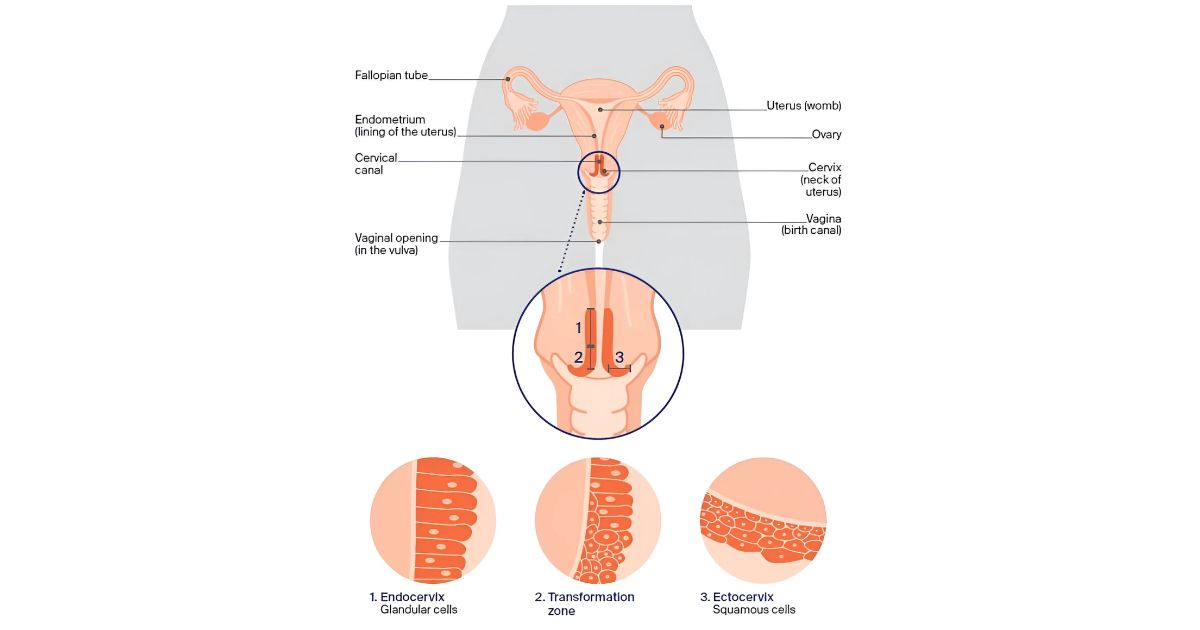
CERVICAL CANCER SCREENING - THE ROLE OF HPV TESTING
Cervical cancer is a dangerous and common disease in women. However, it can be effectively prevented through screening and HPV vaccination
Read moreNeed help choosing the right testing solution?
Viet Huy engineers are ready to help your laboratory choose the optimal technology.