
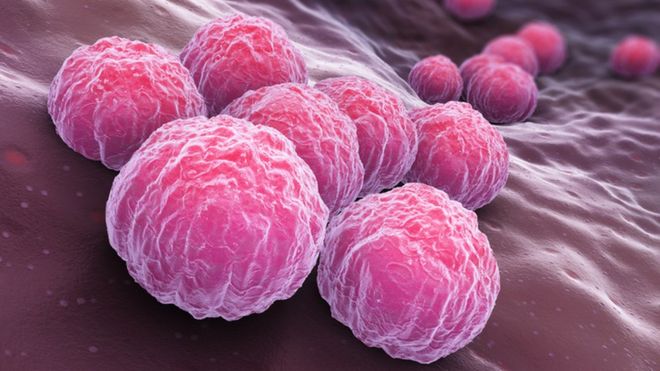
Chlamydia Vaccine - Sexually Transmitted Infectious Disease
Chlamydia - Sexually Transmitted Infectious Disease
In addition to common sexually transmitted infectious diseases such as HIV/AIDS, syphilis and gonorrhea, Chlamydia is also one of the highly transmissible sexually transmitted diseases that are common in many countries; even developed countries such as the United States, as well as Vietnam, have high infection rates.

Figure 1: Rates of Chlamydia infections in the United States, 2017, by age group and sex.
Chlamydia is caused by a bacterium called Chlamydia trachomatis, and most patients show no symptoms of the disease. The disease can cause urinary tract and testicular inflammation, and it can also cause infertility or ectopic pregnancy (a fertilized egg implanted outside the uterus). Without timely treatment, it can lead to blindness, be transmitted, and cause defects in fetal development.
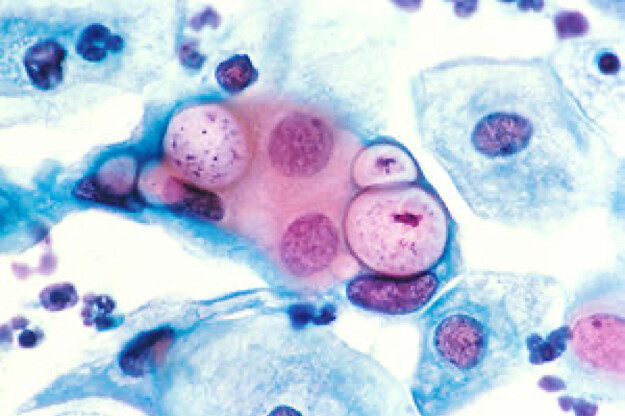
Figure 2: Chlamydia trachomatis bacteria stained on a glass slide and observed under a microscope.
Most women discover a Chlamydia infection during pregnancy or when they develop gynecological diseases. To date, no vaccine to prevent Chlamydia has been produced or put into use. Because of Chlamydia's widespread transmission risk and pathogenicity, a research team conducted a phase 1 clinical trial at Hammersmith Hospital in the United Kingdom1 among women aged 19-45, using a recombinant protein subunit called CTH522 to induce an immune response.
The results showed that CTH522 adjuvanted with either CAF01 or aluminum hydroxide was safe and produced good responses. While the CTH522:CAF01 complex showed a higher immune response, this study holds promise for an effective clinical therapy in the future.
Current recommendations of the Centers for Disease Control and Prevention (CDC)2:
- Avoid promiscuous sexual activity
- Use condoms correctly during sexual intercourse
Warning signs of Chlamydia:
In women
- Vaginal discharge of pus
- Burning pain when urinating
In men
- Pus discharge from the testicles
- Burning pain when urinating
Swelling of one or both testicles
With anal intercourse, common signs in both men and women are:
- Anal pain
- Pus discharge
- Bleeding
Chlamydia can be cured through early detection by testing. Molecular testing for Chlamydia uses real-time PCR to achieve high sensitivity and accuracy. To avoid recurrence, both you and your partner need treatment as recommended by your doctor, and you should avoid promiscuous sex and sex without protection.
References
1. Abraham, S. et al. Safety and immunogenicity of the chlamydia vaccine candidate CTH522 adjuvanted with CAF01 liposomes or aluminium hydroxide: a first-in-human, randomised, double-blind, placebo-controlled, phase 1 trial. Lancet Infect. Dis. 0, (2019).
2. STD Facts - Chlamydia. (2019). Available at: https://www.cdc.gov/std/chlamydia/stdfact-chlamydia.htm. (Accessed: 22nd August 2019)
Related Articles
FDA Approves Zidesamtinib (Jideytro) for ROS1+ Lung Cancer
The FDA has officially approved Zidesamtinib (Jideytro) for patients with ROS1+ non-small cell lung cancer previously treated with a TKI. Learn about its clinical efficacy now.
Read moreVIET HUY NEW YEAR KICKOFF 2026: RECHARGED AND READY FOR A BREAKTHROUGH 2026
Summary of the 2026 New Year kickoff article by VIET HUY Technological Scientific Equipment Co., Ltd: Event: The Viet Huy team officially returned to work after the Tet holiday with traditional activities such as exchanging New Year wishes, handshakes, and giving lucky red envelopes. Goals for 2026: Improve the quality of services and technical solutions. Accelerate innovation and creativity in scientific & biomedical equipment. Increase sustainable value for partners and customers. Message: A spirit of unity, a determination to break through, and a drive for success in the new year's projects. Contact information: Head office in Ho Chi Minh City, representative offices in Hanoi and Da Nang, and Hotline: 0913 605 512.
Read more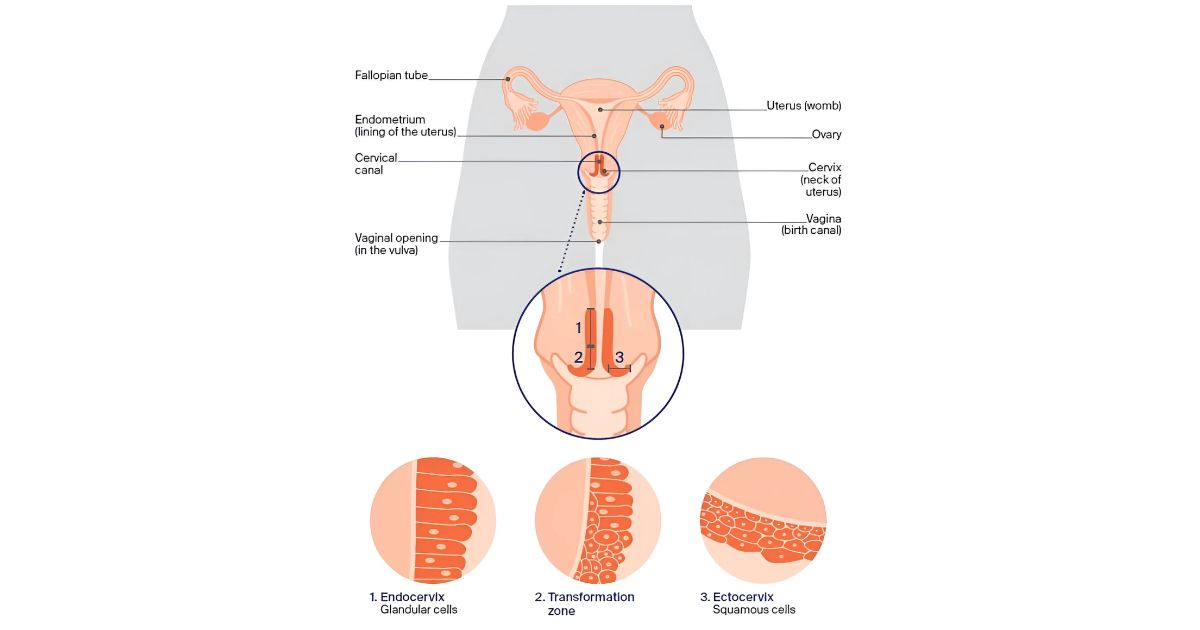
CERVICAL CANCER SCREENING - THE ROLE OF HPV TESTING
Cervical cancer is a dangerous and common disease in women. However, it can be effectively prevented through screening and HPV vaccination
Read moreNeed help choosing the right testing solution?
Viet Huy engineers are ready to help your laboratory choose the optimal technology.