

Exploring Whole Exome Sequencing (WES) - 2024: A Breakthrough Technology in Rare Disease Diagnosis and Personalized Medicine
Discover an overview of Whole Exome Sequencing (WES), an advanced genetic sequencing technology applied in rare disease diagnosis, cancer research, and personalized medicine
What Is Whole Exome Sequencing (WES)?
Whole Exome Sequencing (WES) is an advanced DNA sequencing technology that focuses on analyzing all of the exons in the genome, known as the protein-coding regions of the genome. Although exons account for only about 1-2% of the total genome, they play an important role in identifying genetic variants that may cause disease. WES enables researchers and medical professionals to quickly and accurately identify genetic alterations associated with rare diseases and cancer, and supports the development of personalized medicine.
What Is an Exon?
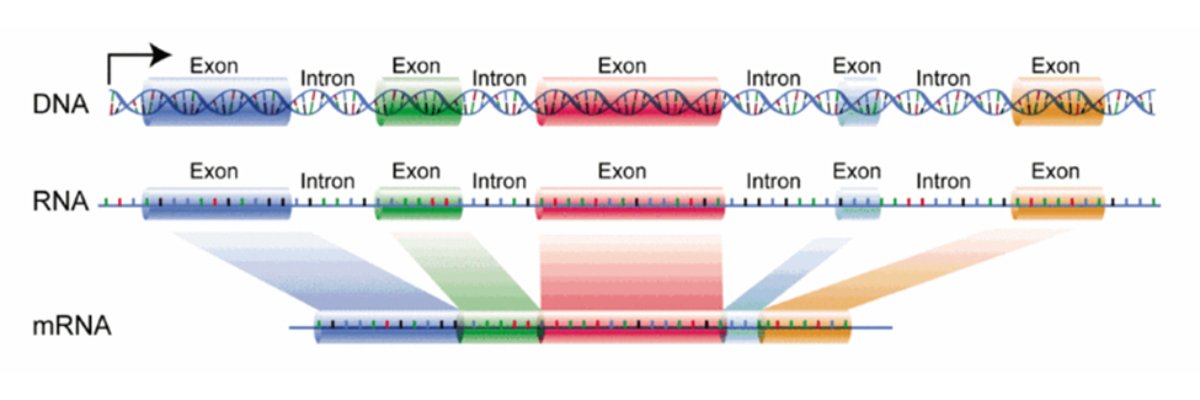
Figure 1: A DNA strand consists of alternating intron and exon regions
Exons are DNA segments that encode proteins. Exons are located within genes and contain the genetic information needed to synthesize proteins essential for cell function. Although they account for only about 1-2% of the total genome, exons play a key role in identifying disease-causing genetic variants.
What Is Whole Genome Sequencing (WGS)?
Genome sequencing is the process of determining the order of nucleotides in an organism's DNA. While Whole Genome Sequencing (WGS) sequences the entire genome, Whole Exome Sequencing (WES) focuses only on the exon regions, saving cost and time while still providing valuable information on disease-associated genetic variants.
WES Procedures and Technology
Steps in the WES Workflow:
The WES workflow consists of the following detailed steps:
Step 1: DNA sample preparation: DNA sample preparation is the first and a critical step in the WES workflow. DNA is obtained from the patient's blood or tissue specimens. Ensuring that the patient's DNA is of sufficient quality and quantity is a prerequisite for proceeding with the subsequent steps.
Step 2: DNA library: Once the DNA sample is available, the next step is to extract DNA from the biological sample and prepare the DNA library. This process involves cutting the DNA into small fragments and ligating the appropriate sequences to form the library, ready for sequencing.
Step 3: Selection of coding regions: Using capture baits (capture probes), exon regions are selectively captured from the entire genome. This technology helps focus on the protein-coding portion, minimizing interference from unimportant regions and improving analytical efficiency.
Step 4: Sequencing: Sequencing is performed using next-generation sequencing (NGS) technology, such as the Illumina NovaSeq X Plus. NGS technology enables fast and efficient reading of the selected DNA fragments, reducing time and cost compared with traditional methods.
Step 5: Data analysis: After sequencing, the data are processed and analyzed to identify genetic variants. This requires advanced bioinformatics tools for filtering and cleaning the data, alignment to the reference genome, variant calling, and clinical interpretation.
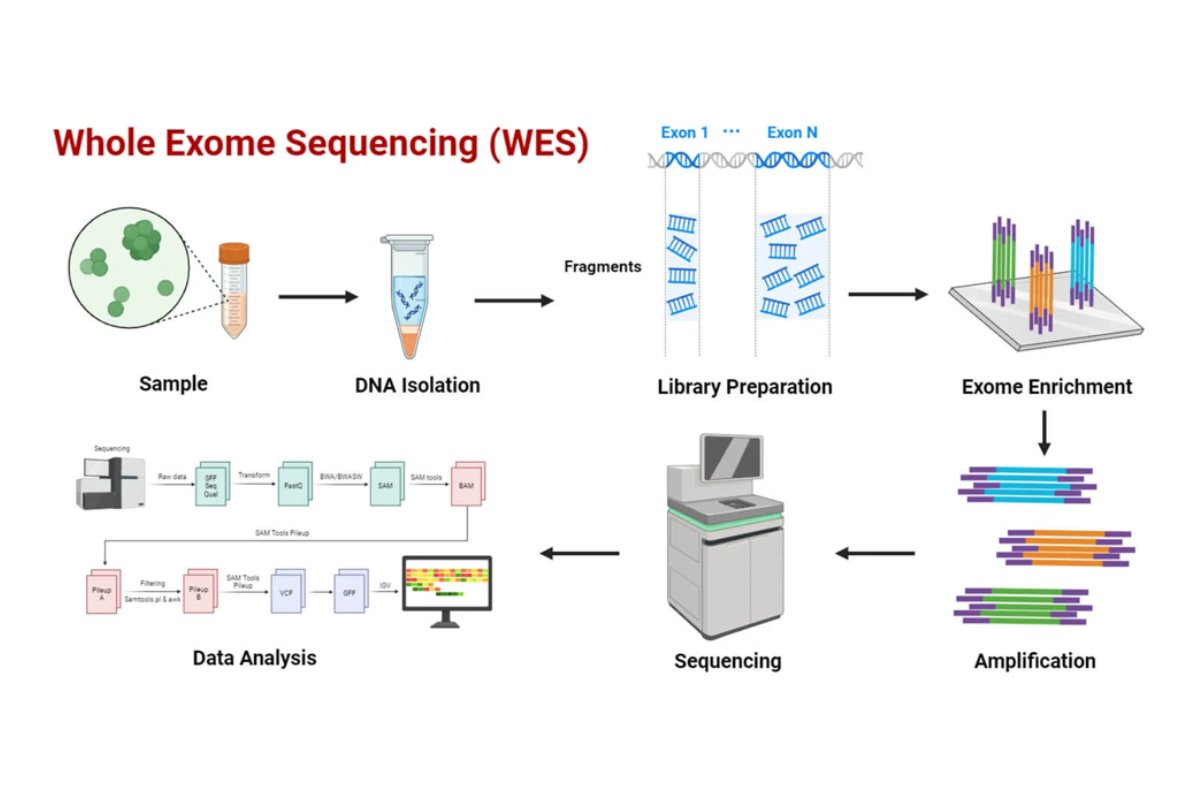
Figure 2. Whole Exon Sequencing workflow (Source: Microbe Notes)
Next-Generation Sequencing (NGS) Technology
Next-generation sequencing (NGS) is the core platform of WES, enabling large numbers of DNA fragments to be sequenced quickly and efficiently, reducing time and cost compared with traditional sequencing methods.
Bioinformatics in WES Data Analysis
WES data analysis requires advanced bioinformatics tools to process and interpret sequencing data. The main steps include:
Step 1: Data filtering and cleaning: Removal of noise and errors arising during sequencing.
Step 2: Alignment: Mapping the sequenced fragments to the reference genome.
Step 3: Variant calling: Identifying nucleotide changes in the exons.
Step 4: Clinical interpretation: Assessing the significance of genetic variants based on existing genetic databases.
Applications of WES in Medicine
Rare Disease Diagnosis
WES has become an important tool for identifying the genetic causes of rare diseases. Thanks to its ability to detect rare variants that traditional genetic testing methods cannot find, WES helps physicians make more accurate diagnoses and offer appropriate treatment options to patients with complex genetic disorders.
Cancer Research
In oncology, WES is used to analyze genetic alterations in cancer cells. This helps researchers better understand the causes and mechanisms of cancer development and, in turn, develop therapies that target specific genetic variants associated with disease progression.
Personalized Medicine
WES plays an important role in personalized medicine, allowing treatment to be tailored to each patient's individual genetic information. By identifying each individual's specific genetic variants, physicians can select the most effective therapies, minimize side effects, and improve treatment outcomes.
Comparing WES with Other Genetic Testing Methods
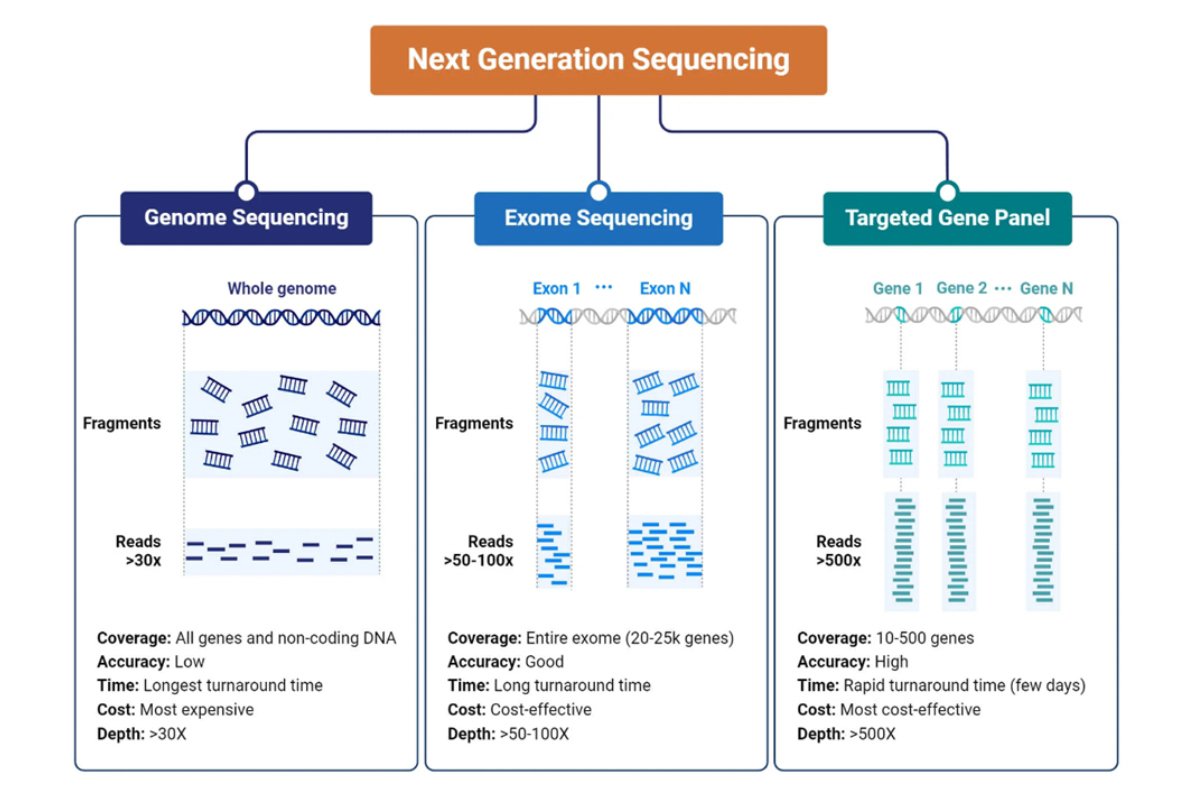
Figure 3: Comparison of WES with Other Genetic Testing Methods
WES Versus Whole Genome Sequencing (WGS)
Compared with Whole Genome Sequencing (WGS), WES has several advantages and disadvantages:
Advantages:
1. Lower cost than WGS: WES is more cost-effective because it focuses only on the exon regions
2. Faster sequencing time: Sequencing all exons is faster than sequencing the entire genome.
3. Focus on important protein-coding regions: Makes results easier to analyze and interpret, especially in disease-related studies.
Disadvantages:
1. Cannot detect variants outside the exon regions: WES skips non-coding regions and may miss important variants located outside exons.
2. Less information than WGS on overall genome structure: Provides less information on the structure and variants of the entire genome.
WES Versus Targeted Gene Sequencing
Targeted gene sequencing focuses on a few specific genes associated with a particular disease, whereas WES analyzes the entire exon region. This gives WES a broader range of applications and the ability to detect previously unknown variants, which is useful in clinical diagnosis and genetic disease research.
Choosing the Right Genetic Testing Method
The choice of an appropriate genetic testing method depends on the specific purpose and needs of each case:
1. Targeted gene sequencing: Suitable when the gene associated with the disease under study is clearly known.
2. WES: Suitable when there is a need to discover new or unclear genetic causes of a disease.
3. WGS: Suitable when the entire genome needs to be analyzed to investigate variants comprehensively.
WES Cost and Accessibility
Cost of WES Testing
The cost of WES testing can vary depending on the healthcare facility and the coverage of the test. However, with advances in sequencing technology, the cost of WES has dropped significantly in recent years, making this method more feasible for many healthcare facilities.
Factors Affecting Cost
Factors affecting the cost include:
1. Coverage: The number of times each genomic position is sequenced, which affects the accuracy of the results.
2. Technology used: The type of sequencer and the sample processing method.
3. Data analysis: The complexity and cost of data analysis and interpretation.
Accessibility of WES
Access to WES varies across countries and regions, depending on healthcare infrastructure and the development of genetic sequencing centers. However, with the growing popularity of NGS, WES is becoming more accessible worldwide.
GENEQUALITY Whole Exome Sequencing Supplier in Vietnam
In Vietnam, GENEQUALITY Whole Exome Sequencing is distributed by VIET HUY Technological Scientific Equipment Co., Ltd, which provides professional support and consulting services to laboratories and healthcare facilities. For more information and to place an order, customers can contact us via:
- Phone: 0913 605 512
- Email: info@viethuy.vn
- Website: www.viethuy.vn
Why Choose GENEQUALITY WES?
1. CE-IVD Certification: Meets the EU 2017/746 (IVDR) standard, ensuring credibility and quality.
2. High Sensitivity: Accurately detects disease-associated variants.
3. Superior Performance: Ensures high coverage and uniformity on leading sequencing platforms.
4. Data Integration: Connects with major databases such as ClinVar, OMIM, HGMD to enhance diagnostic quality.
5. Broad Applications: Suitable for both research and clinical laboratory settings, broadly supporting genomic medicine and non-gene-based treatment.
Learn more: GENEQUALITY Whole Exome Sequencing: An Advanced Solution for Accurate Genetic Diagnosis!
Conclusion
Whole Exome Sequencing (WES) is a powerful technology in the field of molecular diagnostics, playing an important role in the diagnosis of rare genetic diseases, cancer research, and the development of personalized medicine. With the continuous development of NGS technology and bioinformatics, WES promises to keep making important contributions to modern medicine.
References
1. National Human Genome Research Institute. Whole Exome Sequencing. Retrieved April 20, 2024, from https://www.genome.gov/about-genomics/fact-sheets/Whole-Exome-Sequencing
2. Nguyen, T. K., & Le, V. T. (2023). Application of Whole Exome Sequencing in the diagnosis of rare genetic diseases [In Vietnamese]. Vietnam Journal of Molecular Medicine, 15(3), 45-60.
3. Smith, J., & Johnson, L. (2022). Whole Exome Sequencing in Cancer Research. Journal of Genomic Medicine, 10(2), 123-135.
4. Tran, P. A., & Bui, M. T. (2021). Comparative Analysis of WES and WGS in Clinical Diagnostics. International Journal of Molecular Diagnostics, 8(1), 89-102.
5. World Health Organization. Ethical considerations in genomics. Retrieved April 20, 2024, from https://www.who.int/genomics/ethics/en/
6. https://microbenotes.com/whole-exome-sequencing/
Related Articles

GENEQUALITY 2050 - A COMPREHENSIVE AUTOMATION SOLUTION FROM AB ANALITICA
The GeneQuality 2050 system - a comprehensive automation solution from AB Analitica, delivering outstanding performance in real-time PCR testing with speed, accuracy, and safety.

Next-Generation Sequencing (NGS) in BRCA Mutation Analysis: The Optimal Tool for Diagnosing Hereditary Breast and Ovarian Cancer
Next-generation sequencing (NGS) helps detect BRCA mutations in hereditary breast and ovarian cancer, delivering high accuracy and improving treatment approaches.
GENEQUALITY Whole Exome Sequencing (WES) | Viet Huy
GENEQUALITY Whole Exome Sequencing (WES) is a whole exome sequencing solution developed by AB ANALITICA and CE-IVD certified under EU Regulation 2017/746 (IVDR). This product complies...
Need Advice on the Right Testing Solution?
Viet Huy engineers are ready to help your laboratory choose the optimal technology.