

FOOD ALLERGENS: WHY IS TESTING NECESSARY?
Food safety is a top concern for consumers today. One of the most important issues is allergen testing in food. So what is a food allergy? Why is testing necessary? What methods are available? Let's find out in this article!
WHAT IS A FOOD ALLERGY?
The immune system keeps our bodies healthy through immune responses against pathogens. An allergic reaction occurs when the immune system perceives a food (or a substance in food) as a pathogen and triggers a defensive response.
Food allergy symptoms can range from mild (rash, swollen lips, ...) to severe, life-threatening symptoms (anaphylactic shock). Food allergies cannot yet be cured, so allergenic ingredients in food must be controlled to protect consumers.
WHAT IS AN ALLERGEN?
An allergen is a substance that the immune system perceives as a pathogen, triggering a defensive response. As of 2024, 9 major food allergens have been recognized:
- 1. Milk
- 2. Eggs
- 3. Fish
- 4. Crustaceans (shrimp, crab, ...)
- 5. Tree nuts (cashews, hazelnuts, almonds, ...)
- 6. Peanuts
- 7. Wheat
- 8. Soybeans
- 9. Sesame
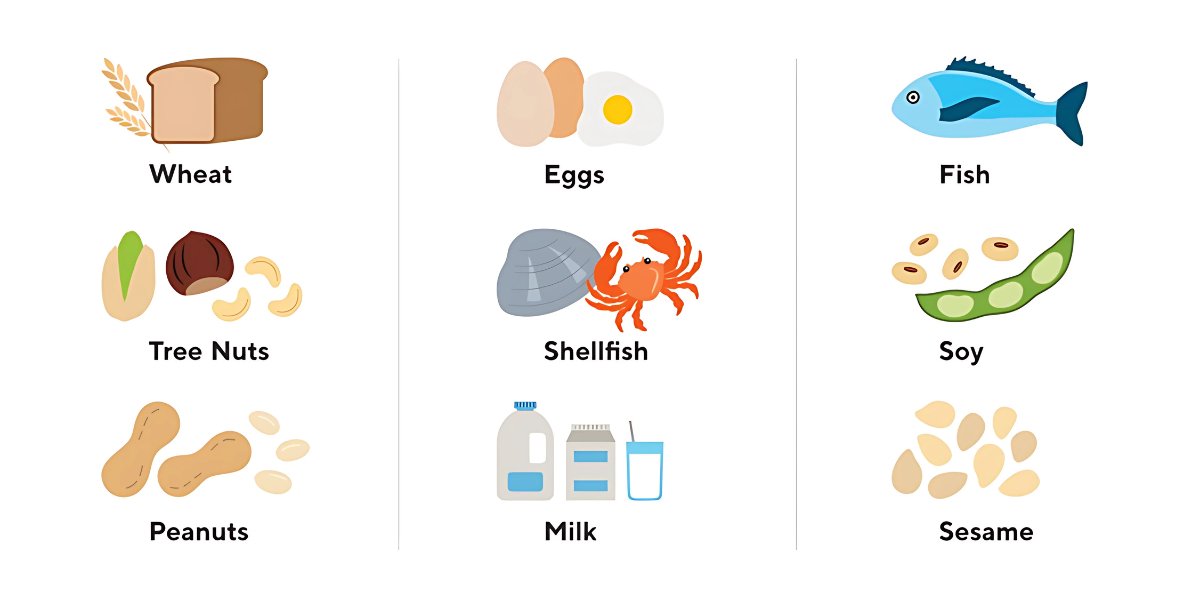
Figure 1: The nine most common food allergens.
ALLERGEN DECLARATION ON PRODUCTS IS MANDATORY
According to subsection 4.2 of Vietnamese National Standard TCVN 7087:2013 (CODEX STAN 1-1985, Amended 2010), the following allergens must be declared on products:
- 1. Cereals and foods made from cereal grains containing gluten; for example, wheat, barley, rye, oats, or their hybridized strains and products of these;
- 2. Crustaceans and crustacean products
- 3. Eggs and egg products;
- 4. Fish and fish products
- 5. Peanuts, soybeans, and products of these
- 6. Milk and milk products (lactose included)
- 7. Tree nuts and tree nut products
- 8. Sulfites at a concentration of 10 mg/kg
WHY IS FOOD ALLERGEN TESTING NECESSARY?
A fairly common question is: "Why test for allergens when manufacturers always know what ingredients their products are made from?".
Indeed, manufacturers always know the ingredients that go into their products. However, a phenomenon called cross-contamination often occurs during production, causing allergens to contaminate products that do not otherwise contain them. Cross-contamination is precisely what manufacturers find difficult to control.
That is why allergen testing is an indispensable part of achieving ISO and HACCP. Manufacturers need to list the allergens in each product and then include those substances in the testing procedure for the remaining products.
WHAT METHODS ARE USED FOR ALLERGEN TESTING?
Currently, there are 3 common methods for food allergen testing: real-time PCR, ELISA, and rapid test strips (LFA). Each method serves different specific purposes, and skillfully combining them helps effectively control allergens in the production process and in products.
ELISA (Enzyme-linked immunosorbent assay):
The ELISA technique is based on the principle of antigen-antibody interaction to detect allergenic proteins in food. ELISA has high sensitivity and specificity, allowing allergens to be detected and quantified at very low concentrations, which is extremely important in food testing.
The ELISA method can be used on many different foods, from raw to processed foods. ELISA is especially useful when a quantitative answer is needed and for detecting gluten*, milk, and eggs.
*The Codex Alimentarius specifies ELISA as the standard method for gluten analysis.
Some situations in which ELISA should not be used:
- - Foods with complex sample matrices, such as baked goods
- - Highly processed foods, e.g., fermented, hydrolyzed, ...
- - Foods with too many ingredients
- - Celery (because celery contains very little protein)
- - Fish (because there is no common protein shared across fish)
Real-Time PCR:
The real-time PCR technique is based on the principle of amplification of specific DNA sequences to detect genes encoding allergens in food. PCR is also characterized by multi-target detection (multiplexing) and higher throughput than other allergen testing methods.
PCR is especially useful when a qualitative answer is needed and for analyzing sample types unsuitable for ELISA. However, PCR cannot distinguish milk and eggs, so it is not suitable for analyzing milk and eggs.
Rapid Test Strips (Lateral Flow Assay - LFA):
Rapid test strips (LFA) are based on the principle of immunochromatography to detect allergenic proteins in food. Rapid test strips are especially useful for on-site analysis (retail outlets, ...) and initial screening in production for 3 reasons:
- - Fast results within minutes
- - Simple to operate, so anyone can use them
- - No specialized equipment required
Positive screening results must be confirmed by real-time PCR or ELISA to ensure accuracy.
FOOD ALLERGEN TESTING SOLUTIONS
Invitek Diagnostics (Germany) offers a product portfolio that meets most allergen analysis needs, from real-time PCR and ELISA to rapid test strips.
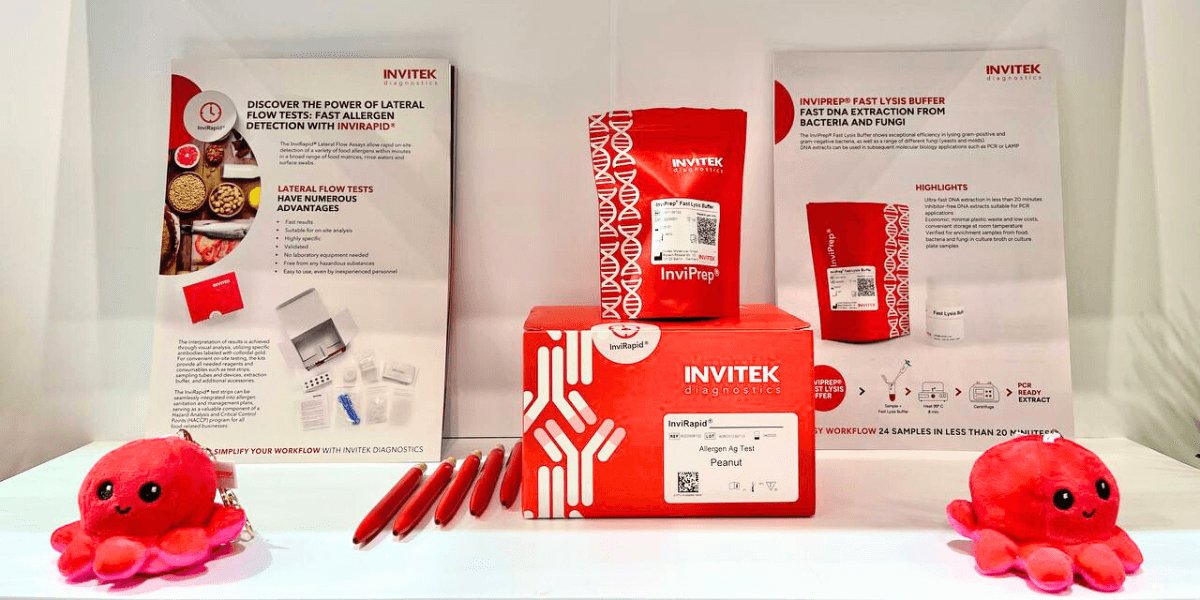
Figure 2: Food allergen testing solutions - Invitek.
ELISA Kits:
| No. | Food Group | Product Name |
| 1 | Milk | InviLisa® Milk ELISA Kit |
| 2 | Egg | InviLisa® Egg ELISA Kit |
| 3 | Gluten (wheat) | InviLisa® Gluten ELISA Kit |
| 4 | Casein (milk) | InviLisa® Casein ELISA Kit |
| 5 | β-Lactoglobulin (milk) | InviLisa® β-Lactoglobulin ELISA Kit |
| 6 | Soy | InviLisa® β-Lactoglobulin ELISA Kit |
Real-Time PCR Kits:
| No. | Food Group | Product Name |
| 1 | Fish | InviScreen® Fish DNA Detection Kit |
| 2 | Celery | InviScreen® Celery DNA Detection Kit |
| 3 | Crustaceans | InviScreen® Crustacean DNA Detection Kit |
| 4 | Sesame | InviScreen® Sesame DNA Detection Kit |
| 5 | Mustard | InviScreen® Mustard DNA Detection Kit |
| 6 | Soy | InviScreen® Soya DNA Detection Kit |
| 7 | Peanut | InviScreen® Peanut DNA Detection Kit |
| 8 | Almond | InviScreen® Almond DNA Detection Kit |
| 9 | Brazil nut | InviScreen® Brazil nut DNA Detection Kit |
| 10 | Cashew | InviScreen® Cashew DNA Detection Kit |
| 11 | Hazelnut | InviScreen® Hazelnut DNA Detection Kit |
| 12 | Macadamia nut | InviScreen® Macadamia nut DNA Detection Kit |
| 13 | Pecan | InviScreen® Pecan nut DNA Detection Kit |
| 14 | Pistachio | InviScreen® Pistachio DNA Detection Kit |
| 15 | Walnut | InviScreen® Walnut DNA Detection Kit |
| 16 | Coconut | InviScreen® Coconut DNA Detection Kit |
| 17 | Lupin | InviScreen® Lupin DNA Detection Kit |
Rapid Test Strips:
| No. | Food Type | Product Name |
| 1 | Casein (milk) | InviRapid® Casein Allergen Ag Test |
| 2 | Shellfish | InviRapid® Shellfish Allergen Ag Test |
| 3 | Gluten (wheat) | InviRapid® Gluten Allergen Ag Test |
| 4 | Egg | InviRapid® Egg Allergen Ag Test |
| 5 | Fish | InviRapid® Fish Allergen Ag Test |
| 6 | Soy | InviRapid® Soya Allergen Ag Test |
| 7 | Peanut | InviRapid® Peanut Allergen Ag Test |
| 8 | Almond | InviRapid® Almond Allergen Ag Test |
| 9 | Sesame | InviRapid® Sesame Allergen Ag Test |
REFERENCES
1. U.S. Food and Drug Administration. (n.d.). Food allergies: What you need to know. U.S. Department of Health and Human Services. Retrieved December 18, 2024.
2. FAO/WHO Codex Alimentarius. (2020). Code of practice on food allergen management for food business operators (CXC 80-2020). Food and Agriculture Organization of the United Nations and World Health Organization. Retrieved December 18, 2024.
3. Invitek. (n.d.). Food allergen testing: Should you use ELISA, PCR, or LFA methods? Retrieved December 18, 2024

Need Advice on the Right Testing Solution?
Viet Huy engineers are ready to help your laboratory choose the optimal technology.